
🦋 Welcome to Jen’s world
Small Moments…
Big Joys
Travel · Food · Home · Health · Heart
A lifestyle blog by a disabled woman with a unique perspective — finding beauty in lavender mornings, mountain views, butterflies, and the quiet joy of a warm mug by the window.
Explore by Theme

🦋 Travel
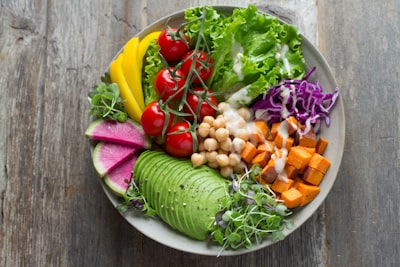
🦋 Recipes
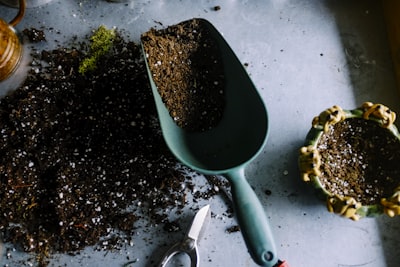
🦋 Home & Garden

🦋 Fashion & Style

🦋 Healthy Living
🦋
Stay Connected
Get the latest posts, recipes, travel tips and more delivered to your inbox!
Latest from the Blog
-
 accolade, Adopt, adults, agenda, Alexa, Amazon, Amazon Prime, America, American, amusement, an app for that, appreciation, Apps, arts, back to school, backyard barbecue, beach, bibliophile, big game, blog, books, brothers and sisters, brunch, camping, Celebration of Life, characters, cheer, children, class, comedy, comfort, community, companion, contest, cool, create, culture, Discovery, ecards, email, empower, encourage, entertaining, everyday, explore, exploring history, family, freedom, friends, friendship, fun, funny, Geek, german American, gifts, giving, goals, habits, health, healthy, Heroes, Hispanic American, history, hosting, humor, I Love Lucy, inspiration, inspire, instagram, internet, iPhone, irish, Italian-American, jamaican, Japanese, Jewish American, jokes, Korean American, laugh, learn, leisure, lifestyle, love, lunch, manners, memories, men, mental health, mentor, monthly observations, movies, near me, news, nuture, office, party, pen pal, Pintrest, Polish American, population, Positivity, read, relax, remember, reminders, Road Trip, school, Scottish-American, search, season, seniors, share, smile, social media, Spring, story, summer, teach, teen, Television, traditional, travel, Trivia, United Kingdom, United Nations, United States of America, Unplugging, vacation, wine, winter, women, work, work outs, write, young adults
WORLD LAUGHTER DAY
Every year on the first Sunday in May, World Laughter Day raises awareness of laughter and the many…
-
 accolade, Adopt, adults, affirmations, agenda, Air Force, alarm clock, album, Alexa, Amazon, Amazon Fresh, Amazon Music, Amazon Prime, Amazon Prime Video, America, American, amusement, android, animals, anniversary, appreciation, Army, art, arts, Athletic, authors, awareness, baby, back yard, Bacon, bakery, baking, ball, balloon, ballroom, banana, banking, barbeques, barbie, baseball, basket ball, bath safety, batteries, battery, beach, beautiful, beauty, bee, berries, berry, beverage, bibliophile, bicycle, bike, biking, Bingable, bird watching, birds, birth, blog, blueberry, blues, blues music, bluetooth, board game, books, Brands, bread, breakfast, broccoli, brother, brothers, brothers and sisters, brownie, brunch, bubble bath, bunnies, bunny, business, businesses, butterflies, butterfly, butterscotch, cabbage, cake, calander, calligraphy, camera, campfire, camping, Canada, candle, candy, cashews, casserole, catfish, cats, causes, Celebration of Life, celebrity, Celtic, characters, charity, chat, cheer, Cheerleading, cheese, cheesecake, cherries, cherry, chicken, children, chinese, chips, chocolate, citrus, Classical Music, classics, Clean, cleaning, cleaning house, climate, climate change, climate friendly, closet, clothing, Coast Guard, coastal, cocktail, coconut, coffee, cold, Collectables, college, college dorm, color, comedy, comfort, comic, comic con, community, companion, competition, Computer, computer geek, computer programming, computer programs, computers, contest, cookies, cooking, cozy, cream cheese, create, credit, cuddle, culture, deli, delivery, desserts, diabetic, dice, Diets, dinner, discount, Discovery, disney, dog, donations, donut, doughnut, Dr Suess, drink, drive through, driving directions, drum, drummer, Drumming, drums, Duck, Ebay, ebook, ecards, eco-friendly, educate, electronics, email, empower, encourage, entertaining, environment-friendly, everyday, exercise, explore, exploring history, family, family home, family movie night, family pet, family time, family traditions, famous, farmers market, fashion, fast food, fasting, fiction, Finance, firefighter, fish, fishing, flavor, flower, fondue, food, foster care, fragrance, freedom, french toast, fresh flowers, friends, friendship, fruit, fudge, fun, funny, games, garden, gardening, yard decor, exterior design, Geek, gems, gemstone, geography, german American, gifts, giving, goals, Google, gratitude, Greek, grocery shopping, habits, handwritten, health, health and beauty, healthy, Heroes, high school, Hispanic American, history, hobby, Holiday, home, home decor, home renovation, Homemade, homework, honey, Honor, hospital, hosting, hotel, household, houseplants, hugs, Hulu, humane society, ice cream, immune system, independence, inspiration, inspire, inst a cart, instagram, international, International Women’s Day, internet, inventions, invitation, iPhone, ipod, irish, Italian-American, jamaican, Japanese, jazz, jewelry, Jewish American, jokes, kindle, kitchen, kittens, knitting, Korean American, Kwanzaa, late night snack, laugh, learn, leisure, lemon, library, lifestyle, literature, local Shelter, love, lunch, luxury, makeup, managing money, manners, March, marshmallow, meditation, memories, men, mentor, Military, modern, mom, monthly observations, mother nature, movies, Museum, music, musical instruments, musician, mystery, National Guard, National weather service, native American, natural disaster, nature, Navy, near me, Netflix, news, noodles, nursing, nurture, nut butters, nuts, nuts and seeds, office, organization, outdoors, paint, painting, pancake, pantry, party, pasta, pay bills, Peace, peace of mind, Peaceful, peanut butter, peanuts, pears, pen pal, pepita, pets, Philippines, phone a friend, photographer, photography, piano, picnic, Pie, Pintrest, pizza, playlist, Polish American, pollen, pollution, popcorn, population, Positivity, productivity, professional, protect and serve, punch, puppies, puzzle, radio, read, Recipes, refrigerator, relax, remedy, remember, reminders, restaurant, Retailers, rice, rivers, Road Trip, rodeo, romance, Rouku, safety, salad, sales, Samsung, sandwich, sauces, save, save money, savings, savory, school, scientist, Scottish-American, screen time, screenwriters, search, season, security, self care, seniors, serve, Sesame Street, sewing, share, Shipt, shopping, side dish, sisters, sitcom, skywarn, small animals, smart glasses, smart tv, smart watch, smile, smoothie, snack, social media, Space Force, Space X, spices, Spring, St Patrick’s Day, star gazing, Starbucks, Starz, States and Capitals, story, strategy, strawberry, streaming, Symphony, tablet, tea, teach, technology, TNR, traditional, travel, Trivia, United States of America, universe, Unplugging, vacation, vegetables, Veteran, veterinary, Vintage, Vinyl, warm, wear, website, wedding, Weeknight dinner, Weeknight meal, wine, winter, women, women’s history month, work, Work from home, work outs, Work Wear, write, Yearly, yoga, young adults
Motivation In March is here!
As I look out the window, the world is shaking off the last of winter’s chill. We know…


