NATIONAL CELIAC DISEASE AWARENESS DAY

Every year on September 13th, National Celiac Disease Awareness Day encourages us to support those with the auto-immune disease affecting 3 million people.

Those with celiac disease avoid gluten due to the immune response that damages the villi in the small intestine. Over time, the damage prevents the absorption of nutrients into the body. Grains such as wheat, barley, rye, and even some oat products contain gluten. The destruction is irreversible and the only known treatment is a carefully controlled diet.

National Celiac Awareness Day promotes the importance of diagnosis as well as bringing resources and support to those who have already been diagnosed. Alternative meal preparation, diet suggestions, and celiac support groups help families provide nutritional lifestyles.

HISTORY OF CELIAC DISEASE AWARENESS DAY

The United States Senate passed a unanimous resolution in 2005 supporting Celiac Disease Awareness Day on September 13th. The day recognized the birthday of Dr. Samuel Gee, the physician who first published literature on the nature of celiac disease and the need for a diet to treat the disease. The Senate continued to call for National Celiac Disease Awareness Day annually until 2011.

Explore More…

HOW TO OBSERVE #CeliacDiseaseAwarenessDay

Share your tips and resources on this National Day. Offer to serve a completely gluten-free meal for a loved one or friend you know who has celiac. Also, be mindful of their needs at future gatherings. Ask for recipes to add to your collection for your reference. To find out more visit beyondceliac.org or glutenfreeworks.com. Use #CeliacDiseaseAwarenessDay to share on social media.

NATIONAL TV DINNER DAY

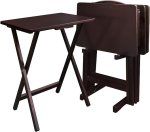
National TV Dinner Day is observed annually on September 10th.  In 1953, C.A. Swanson & Sons changed the prepackaged meal business forever. Introducing the TV Dinner revolutionized frozen food.

In 1962, Swanson stopped using the name TV Dinner. However, in the United States, the term remains synonymous with any prepackaged dinner purchased frozen from a store and heated at home.

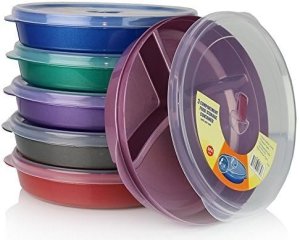
The first Swanson TV Dinner consisted of a Thanksgiving meal of turkey, cornbread dressing, peas, and sweet potatoes. Originally, Swansons made the tray of aluminum. They separated each food item into individual compartments, too. At home, the cook heated the dinner in the oven. The cooking time was usually 25 minutes. Today, nearly all frozen food trays can be cooked in the microwave or a conventional oven. 

Explore more…

When Swanson’s first sold TV dinners, they priced them at 98 cents. In the first year, production estimates reached 5,000 dinners. To their surprise, Swanson far exceeded that amount. In the first year, they sold more than 10 million of them.

TV Dinner Facts
  • 1960 – Swanson added desserts to a new four-compartment tray.
  • 1964 – Night Hawk name originated from the Night Hawk steak houses that operated in Austin, Texas, from 1939 through 1994. The original diners were open all night, catering to the late-night crowd. The restaurants produced the first frozen Night Hawk TV dinner in 1964.
  • 1969 – The first TV breakfasts were marketed. Great Starts Breakfasts and breakfast sandwiches followed later.
  • 1973 – Swanson markets the first Hungry-Man dinners. The meals included larger portions of its regular dinner products.
  • 1986 – Microwave-oven safe trays debut on the market. 
  • 1986 – The Smithsonian Institute inducted the original Swanson TV Dinner tray into the Museum of American History.

Much has changed since the original TV Dinner. They also remain a popular choice for a fast and convenient meal, fun to eat in front of the TV!

Looking for something to watch?  Check out some of my favorites here.

HOW TO OBSERVE #NationalTVDinnerDay

Get out a TV dinner, pop it in the microwave or oven, and enjoy! Use #NationalTVDinnerDay to post on social media.

NATIONAL ANTS ON A LOG DAY

Designated the second Tuesday in September of each year is National Ants On A Log Day. This day recognizes this iconic and healthy food snack enjoyed by millions of people across the USA and around the world.

We make this delicious snack by spreading peanut butter on celery and placing raisins on top.  The snack name was first used in the 1950s.  The typical peanut butter version of ants on a log is recommended as a healthy snack by the McKinley Health Center at the University of Illinois at Urbana-Champaign. How healthy is it? We’ve outlined each ingredient to give you an idea. 

Raisins add a little sweet to snack time while also providing vitamin C, selenium and zinc. They’re also low in sodium and are a good source of potassium, making them great for blood pressure. Another healthy benefit of raisins includes iron, copper, and magnesium. Coupled with the potassium, these pH-balancing minerals help keep stomach acid in order.

The next layer, peanut butter, is an excellent source of protein. Along with that, peanut butter offers a boost of healthy fat, too.

Finally, crispy celery is low in calories. But that’s not all! In the crunch of celery, you’ll find fiber, folate, potassium, and vitamin K. Not only is it low in calories, but it doesn’t have any of the fat and cholesterol other snack foods have either.

Early September is a time when kids are headed back to school and more importantly, back to studying. To keep them (and their parents) fueled with brain food is an important tool for staying focused.  The designation is to celebrate and encourage healthy snacking using one of the most iconic treats that both old and new generations enjoy.

ANTS ON A LOG DAY HISTORY

In 2014, Duda Farm Fresh Foods and Peanut Butter & Co. submitted National Ants on a Log Day to recognize the nutritious and delicious snack. 

Explore More…

HOW TO OBSERVE #NationalAntsOnALogDay

No matter where you are, ants on a log makes the perfect snack. Make some for work or home. Send them to school or daycare. Make extra for an after school, after work treat. Prepare yours and share using #NationalAntsOnALogDay to post on social media.

NATIONAL ACORN SQUASH DAY

National Acorn Squash Day is observed annually on September 7th. The day celebrates winter squash that is also known to some as a pepper squash.

Even though it is considered a winter squash, acorn squash belongs to the same species as all summer squashes including zucchini and yellow crookneck squash.

The most common variety comes in a mostly green outer shell, often with a splotch of orange on its side or top. However, varieties, including the Golden Acorn and the White Acorn, offer gardeners and cooks options. This versatile squash also grows in variegated color.

The acorn squash resembles its name in shape, an acorn. They usually weigh between one to two pounds and generally grow between four and seven inches long.  This hardy squash also keeps for several months, making it a great item to store for yumminess all winter long. Just be sure to store it in a cool, dry location.

Since acorn squash is versatile, it can be baked, microwaved, sautéed, or steamed. Some cooks like to stuff it with rice, meat, cheeses, or vegetable mixtures. You can also toast the seeds of the acorn squash much like pumpkin seeds.

Nutritionally, the acorn squash offers a good source of dietary fiber and potassium. It also has some vitamin C and B, magnesium and manganese.

Explore More…

HOW TO OBSERVE #AcornSquashDay

Visit your favorite farmer’s market. You can also drive out to a pick your own farm. Once you’ve collected your squash, share your recipes or growing tips. Try acorn squash in soup or broil it. Experiment with the flavors as you fill your plate with this colorful garden vegetable. Whatever you do to celebrate, be sure to share it with others. Use #AcornSquashDay to post on social media.

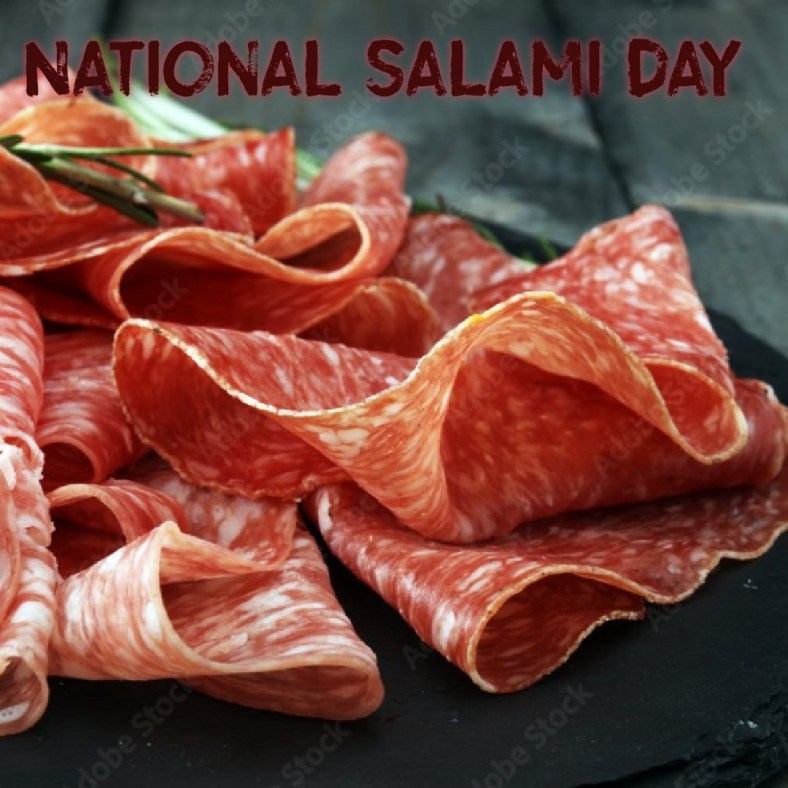
NATIONAL SALAMI DAY

National Salami Dayu on September 7th recognizes a cured meat many people enjoy every day. Salami are cured, fermented, and air-dried sausages that find their way to our delis and butcher shops in delicious variety.

Most commonly made with pork, makers use other meats and blends when preparing salami. For example, delis may offer a lamb, duck, or a beef and pork blend. The ground sausage is blended with seasonings and salt air-cured in either a pork or beef casing. Methods and recipes vary by region and country. Even aging time varies. However, makers typically age salami between 30 to 90 days or longer.

While salami’s beginnings are uncertain, the Romans may have introduced methods used today. In days before refrigeration, Salamis were historically popular among Southern European peasants. The sausage keeps well once cut when stored at room temperatures for up to 30 to 40 days.

Two salamis that might be familiar to you are Genoa and Hard Salami. Genoa salami ages with red wine, peppercorns, and garlic. This softer salami offers a fermented flavor. In contrast, Hard Salami not only falls into the cured category but makers also dry and smoke the meat. The resulting salami slices easily.  

NATIONAL SALAMI DAY HISTORY

The Salami Appreciation Society in Henrico, Virginia created National Salami Day in 2006.

HOW TO OBSERVE #NationalSalamiDay

Enjoy salami in a variety of ways. Don’t just stop at a sandwich. The flavor pairs well with a variety of cheeses and pasta sauces. In a cold pasta dish, salami becomes the star. Don’t forget, Italy gave us this Italian original, even if it’s made worldwide.

Dice up salami and add it to a salad. Whatever bounty harvested from your garden will benefit from the flavor of salami. Just don’t add any additional salt. Most of the seasoning will come from the salomi.

Get yourself a few slices of salami and use #NationalSalamiDay to post on social media.