NATIONAL TEAL TALK DAY

Let’s talk. September 23rd is Teal Talk Day and each year, over 249,000 women are diagnosed with ovarian cancer worldwide. So, gather your friends, wear teal for a day out together and talk.

Join a group of co-workers for lunch. Men are welcome, also. They have mothers, wives, daughters, and sisters at risk for ovarian cancer. They should have the Teal Talk, too! Since no standard screening exists for ovarian cancer, awareness gives us our best defense. The talk takes very little time. Have a Teal Talk over lunch. In that time, approximately 28 women will receive an ovarian cancer diagnosis.

Invite your closest friends, neighbors, and sisters for drinks in the back yard. Wear your favorite teal and give the Teal Talk. Let them know early detection improves survival rates by 90%. Make sure they know the symptoms.

  • Persistent bloating
  • Lack of energy
  • Loss of appetite
  • Feeling fuller sooner.

During your Teal Talk, find more signs at Ovarcome.org.

Go for a walk with your mom and her friends. Even a short walk will be long enough for a Teal Talk. Ask them about family history and encourage them to share it with their daughters and granddaughters. Urge them to see their gynecologist to review family history for inherited risk factors. Families with a strong history of ovarian or breast cancer have a 15-40% lifetime risk when compared to the general population, according to the National Cancer Institute.

TEAL TALK DAY HISTORY

Ovarcome founded Teal Talk Day to raise awareness of ovarian cancer and to encourage everyone to talk about it. With no screening currently available, Ovarcome wants you to be on top of symptoms – be empowered. You can help save a life!

Ovarcome was founded on February 23, 2012. In 2017, Ovarcome celebrated five years of service to the ovarian cancer community by starting this national and global movement. Ovarian cancer is a Silent Disease – but Ovarcome encourages you to be VOCAL about it! In the absence of a screening test, knowledge and awareness empower women and families to overcome the disease. Teal Talk Day brings that knowledge and awareness to you.

Explore More…

HOW TO OBSERVE #TealTalkDay

Celebrate Teal Talk Day in honor of all women diagnosed with ovarian cancer, too. Ovarcome encourages you to talk about ovarian cancer, especially on September 23rd, but also every day. Every day is a good day to talk about ovarian cancer. Follow Ovarcome on FBTwitter, and Instagram for information, education, updates, and Teal celebrations! Together, we can Ovarcome!

  • Discuss the symptoms. Don’t hesitate to see a doctor if you have any of the symptoms.
  • Encourage the women in your life to maintain their routine exams.
  • Learn more about ovarian cancer.
  • Support organizations researching treatments, a cure, and advanced screening methods.
  • Support those who receive the diagnosis.
  • Share your story to help inform others.

Find out more information at Ovarcome.org and have the Teal Talk with the people in your lives. Use #TealTalkDay to share on social media.

NATIONAL STATES AND CAPITALS DAY

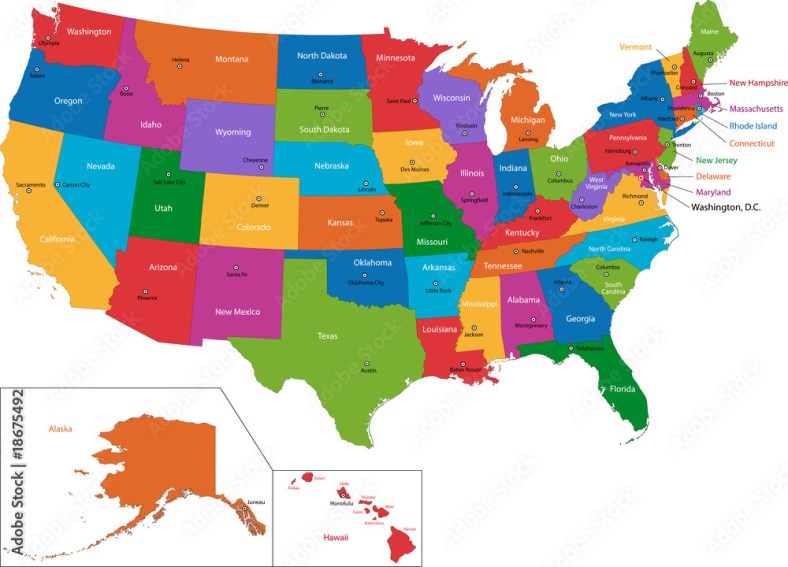
September 22 focuses on raising awareness and sharing education about all 50 states and their capitals on National States and Capitals Day.

As children, we learn about the 50 states and their capitals in the U.S. But as we get older, we tend to forget those important cities and their role in crafting policy and influencing the economy. And, while everybody knows their own state capital, many do not even remember the capital of the state next door. Today, let’s take the time to remind ourselves how important every state and capital is to our nation.

Learning about States and Capitals

Remember those paper maps we were given to learn about states and capitals? Our worksheet had blank states with star indicating where the capital was supposed to be. The agony of naming each state and capital was definitely stressful! We spent time memorizing names, where the state was and naming each capital. Not to mention spelling everything correctly. Some of us were lucky to have a teacher that would play a game to help us remember.

Typically, we learn about states and capitals between the grades 3-6, starting with the state we live in. From there, we learn our country has 50 states and 50 capitals within each state. All 50 capitals have a unique history, which means there are 50 reasons why a specific city or town was chosen to be a state capital. In addition, we eventually learn how governments operate and the vital roll each state plays in our national government.

Looking for an adventure?  Take a road trip for your next vacation.  Chances are you’ll find a lot more than 50 reasons to enjoy the scenery.  Whether visiting family and friends or another specific spot, do some road tripping to some scenic vistas and appreciate the history, flavor and cultures along the way.

Explore More…

Are state capitals found in the largest cities of each states? No. The first state capitals were built according the where the majority of the population lived in a state, or near a main access hub. For example,  in North Dakota the state capital is Bismarck, but was once the capital of the Dakota Territory. The Northern Pacific Railroad was built to transfer goods from eastern U.S. to the west, making Bismarck the prime location for state government. Bismarck became the official state capital only after the territory was split into 2 states–North and South Dakota.

Huh?

  • The letter Q is the only letter NOT found in any of the state names
  • Sweet Home, Alabama is a real place.
  • It’s illegal to bury people in San Francisco, California.
  • New Jersey has a volcano.
  • South Carolina has a place called Monkey Island, that has over 4,000 rhesus monkeys.
  • The state bird for Wisconsin is a plastic flamingo.
  • There are more chickens in Delaware than there are people.
  • The Empire State Building in New York has it’s own zip code.

State Capitals in Small Cities

  • Juneau, Alaska, population est. 32,300.
  • Dover, Delaware, population est. 39,400.
  • Frankfort, Kentucky, population est. 28,600.
  • Augusta, Maine, population est. 18,900.
  • Annapolis, Maryland, population est. 40,800.
  • Jefferson City, Missouri, population est. 43,230.
  • Helena, Montana, population est. 32,100.
  • Concord, New Hampshire, population est. 4,000.
  • Pierre, South Dakota, population est. 14,100.
  • Montpelier, Vermont, population est. 8,100.

BEHIND NATIONAL STATES AND CAPITALS DAY

Dick & Jane Educational Snacks receives credit for the idea to celebrate National States and Capitals Day on September 22. Not only does it raise awareness about the importance of knowing all 50 states and capitals, it reminds people to have fun while learning.

LEARN YOUR STATES AND CAPITALS

  • Divide learning about states into regions to learn each region before moving on to the next.
  • Check out a book from the library each week on a specific state to learn facts. Return the book and pick another state until all states have been covered.
  • Learn fun facts about states. What famous people are from there? What kind of tourist attractions might be fun to visit?
  • Fix a puzzle with all 50 states and capitals.
  • Draw a map of the United States with the states and fill in the capitals, too.
  • Use Dick & Jane Educational Snacks to help your kids learn about states and capitals.
  • Tag your videos learning states and capitals on social media #NationalStatesandCapitalsDay.

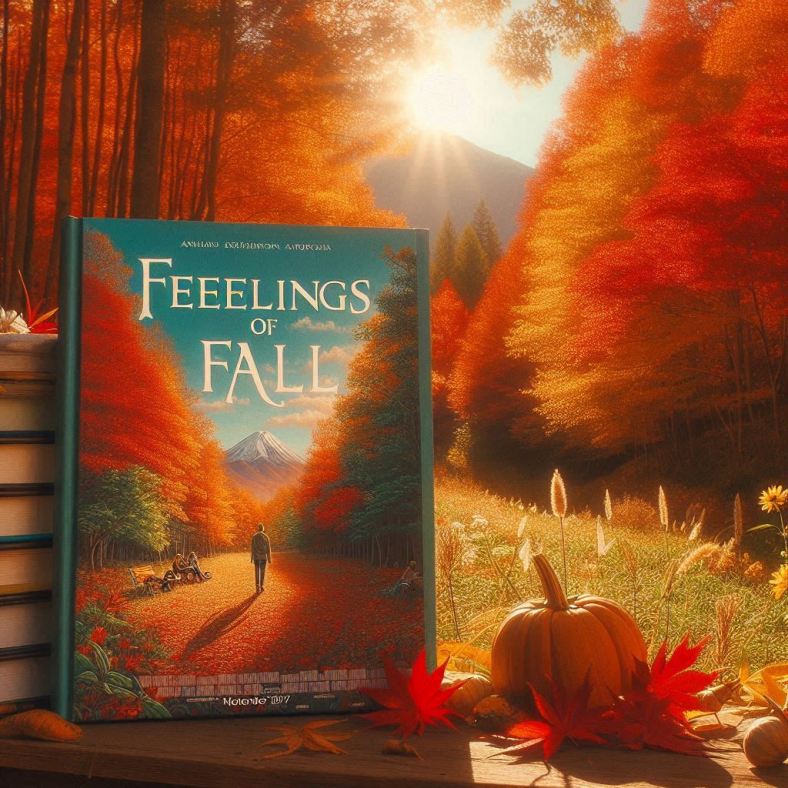
Feelings of Fall Movies

As the air turns crisp and leaves transition into vibrant shades of red, orange, and yellow, it’s the perfect time to snuggle up with a cozy blanket and immerse yourself in movies that capture the essence of fall. Our “Feelings of Fall” movie list brings you a delightful assortment of films that evoke the cozy and nostalgic atmosphere of the season. From heartwarming stories set against the backdrop of autumn landscapes to thrilling football games that celebrate the spirit of school pride, these movies offer a perfect escape into the world of fall festivities.

In addition to cozy scenes and football excitement, our selection includes school-themed movies that bring back memories of new beginnings, friendships, and the excitement of a new academic year. And with fall also being a significant time for elections, we’ve included films that delve into the political arena, capturing the drama, humor, and intensity of election campaigns. Whether you’re in the mood for a sentimental journey or a thrilling adventure, our curated list of fall-themed movies promises to bring warmth and joy to your autumn days.

NATIONAL GRANDPARENTS DAY

On the Sunday following Labor Day, National Grandparents Day, honors the love only grandparents can provide. 

Grandparents and their grandchildren share a special bond. These hugging, caring and patient people in the lives of children offer more than a generous dose of love. Grandparents provide an abundance of wisdom. They also offer guidance and stability. 

When grandchildren need a story, grandparents tell the best. A grandparent’s wealth of family history and lore offers lessons of their own. Through humorous stories and some serious ones, grandparents gently point grandchildren in the right direction.

In 2004, the National Grandparents Day Council of Chula Vista, California announced a song for the day. A Song for Grandma and Grandpa by Johnny Prill became the official song of the United States National Grandparents Day holiday. The Council presented Prill with the National Songwriter’s Award for his song, too.  

The forget-me-not is the official flower for National Grandparents Day. 

As the number of grandparents grows from 65 million in 2011 to 80 million in 2020, expect the observance to increase in significance, too. 

NATIONAL GRANDPARENTS DAY HISTORY

Celebrated in the United States since 1978,  the United States Senate and President Jimmy Carter nationally recognized Marian McQuade of Oak Hill, West Virginia as the founder of National Grandparents Day. McQuade made it her goal to educate the youth in the community about the significant contributions that seniors have made throughout history. It was also her hope to have the youth “adopt” a grandparent, not just for one day or a year, but rather for a lifetime.

The Joint Resolution

In February of 1977, Senator Randolph along with the concurrence of other senators introduced a joint resolution to the Senate. The resolution requested the president to “issue annually a proclamation designating the first Sunday of September after Labor Day of each year as National Grandparents Day.” After Congress passed the resolution, on August 3, 1978, President Jimmy Carter signed the proclamation. The statute cites the day’s purpose: “…to honor grandparents, to give grandparents an opportunity to show love for their children’s children, and to help children become aware of strength, information, and guidance older people can offer.”

Other Claims

Others claim the origin of this holiday resides with the efforts of Hermine Beckett Hanna of North Syracuse, New York. She recognized seniors and their importance as early as 1961. New York Congressman James T. Walsh awarded her efforts on February 21, 1990, in front of the United States House of Representatives. He also thanked Hermine Beckett Hanna “for her important role in the establishment of Grandparents Day.”

Explore More…

HOW TO OBSERVE #NationalGrandparentsDay

While we have our grandparents in our lives, it is important to cherish them. Spend time with your grandparents. Learn about their life and ask questions to keep the stories coming. Do the things they enjoy doing. Sometimes, they only want to spend time with you. 

How else can you celebrate the day?
  • Pick up the phone! Surprise your grandparents with a much-awaited phone conversation.
  • Take your grandparents on an adventure. Plan a day doing their favorite things – one of which is probably spending time with you.
  • Write a letter to your grandparents. Share with them the things you’ve been doing. They will read your letter over and over.
  • Learn something from a grandparent. Have you always wanted to know how to make Grandma’s pecan pie or catch a whopper from the river? Grandma or Grandpa will probably show you how. You only need to ask.
  • Help them out. Clean out a flower bed. Take out the trash. Mow the lawn. Paint a room. Fix the internet. Run an errand. The list goes on.
  • Take a photo. Sometimes we forget to capture moments with the people we love the most. Take a photo with your grandparent and make sure they get a copy.
  • Speaking of photos, spend some time looking through old photos with your grandparents. Ask them questions about the people in them and record the information.
  • Adopt a grandparent. As surprising as it may seem, there are some of our older generations who have no grandchildren. However, they still have love and wisdom to share. 

If you no longer have living grandparents, share a fond memory of them. Remember something each of them taught you or one of the fun things you used to do. You can also write down your memories to share with future generations. 

Use #NationalGrandparentsDay to post on social media.

NATIONAL CELIAC DISEASE AWARENESS DAY

Every year on September 13th, National Celiac Disease Awareness Day encourages us to support those with the auto-immune disease affecting 3 million people.

Those with celiac disease avoid gluten due to the immune response that damages the villi in the small intestine. Over time, the damage prevents the absorption of nutrients into the body. Grains such as wheat, barley, rye, and even some oat products contain gluten. The destruction is irreversible and the only known treatment is a carefully controlled diet.

National Celiac Awareness Day promotes the importance of diagnosis as well as bringing resources and support to those who have already been diagnosed. Alternative meal preparation, diet suggestions, and celiac support groups help families provide nutritional lifestyles.

HISTORY OF CELIAC DISEASE AWARENESS DAY

The United States Senate passed a unanimous resolution in 2005 supporting Celiac Disease Awareness Day on September 13th. The day recognized the birthday of Dr. Samuel Gee, the physician who first published literature on the nature of celiac disease and the need for a diet to treat the disease. The Senate continued to call for National Celiac Disease Awareness Day annually until 2011.

Explore More…

HOW TO OBSERVE #CeliacDiseaseAwarenessDay

Share your tips and resources on this National Day. Offer to serve a completely gluten-free meal for a loved one or friend you know who has celiac. Also, be mindful of their needs at future gatherings. Ask for recipes to add to your collection for your reference. To find out more visit beyondceliac.org or glutenfreeworks.com. Use #CeliacDiseaseAwarenessDay to share on social media.