
🦋 Welcome to Jen’s world
Small Moments…
Big Joys
Travel · Food · Home · Health · Heart
A lifestyle blog by a disabled woman with a unique perspective — finding beauty in lavender mornings, mountain views, butterflies, and the quiet joy of a warm mug by the window.
Explore by Theme

🦋 Travel
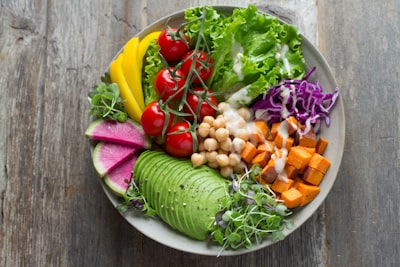
🦋 Recipes
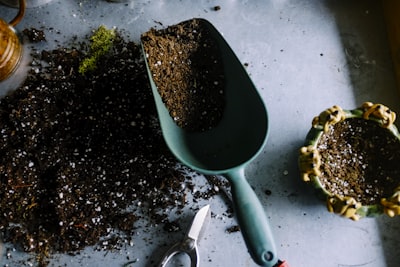
🦋 Home & Garden

🦋 Fashion & Style

🦋 Healthy Living
🦋
Stay Connected
Get the latest posts, recipes, travel tips and more delivered to your inbox!
Latest from the Blog
-
 Adopt, adults, agenda, almonds, Amazon, Amazon Fresh, Amazon Prime, America, appreciation, asia, August, autumn, bakery, baking, barbeques, baseball, basket ball, beer, beverage, bibliophile, big game, Bingable, birthday, blog, books, Brands, brothers and sisters, Cantonese, cashews, casserole, Celebration of Life, celebrity, characters, cheese, chicken, children, chinese, Chinese New Year, Christmas, cocktail, coconut, coconut water, college, college dorm, comfort, community, condiments, cooking, date night, delivery, Diets, dinner, Discovery, drink, drive through, ecards, encourage, entertaining, everyday, explore, exploring history, fall, family, family movie night, fish, flavor, food, food orders, football, fragrance, freedom, friends, friendship, german American, goals, Google, gratitude, Greek, grocery shopping, health, herbs and spices, Hispanic American, history, Homemade, honey, hosting, inspiration, inspire, inst a cart, instagram, irish, Italian-American, Japanese, Jewish American, keto, kitchen, Korean American, laugh, learn, lifestyle, lunch, memories, men, native American, near me, noodles, nurture, nuts and seeds, office, pantry, party, Philippines, Pintrest, Pork, Recipes, refrigerator, relax, remember, reminders, restaurant, Retailers, rice, Road Trip, sauces, savory, Scottish-American, seafood, serve, share, smile, social media, soup, spices, Spring, summer, sushi, tea, thai, travel, Trivia, United States of America, Unplugging, vacation, vegetables, warm, wine, winter, women, World, young adults
NATIONAL CHOP SUEY DAY
Get your chopsticks ready! National Chop Suey Day recognizes this American Chinese culinary cuisine each year on August…
-
 accolade, adults, Amazon, Amazon Prime, America, amusement, appreciation, Army, arts, Athletic, August, authors, autumn, aviation, Video Games, back yard, bakery, baking, ballroom dance, banking, baseball, basket ball, beauty, bee, beer, beverage, bibliophile, bicycle, big game, bike, biking, bird, bird watching, birds, birthday, blog, blues, bluetooth, board game, books, Brands, bread, breakfast, brothers and sisters, brownie, brunch, cake, camera, candle, candy, cats, Celebration of Life, cell phone, characters, charity, cheese, cheesecake, cherries, chicken, children, chinese, chips, chocolate, Christmas, Cinco de Mayo, citrus, classics, climate, closet, clothing, Coast Guard, coastal, cocktail, coffee, Collectables, college, comedy, comfort, community, competition, Computer, contest, convention, cookies, cooking, cool, coupon, cozy, cranberry, cuddle, dance, date night, deli, delivery, desserts, Diets, dinner, discount, Discovery, dog, donut, doughnut, drink, drive through, driving directions, drums, earth day, Easter, educate, email, emergency preparedness, encourage, entertaining, environment, everyday, exercise, explore, exploring history, fall, family traditions, famous, farmers market, fathers day, fireworks, fish, fishing, flavor, food, football, freedom, french toast, fresh flowers, friends, friendship, fruit, fudge, fun, Gala, games, garden, Geek, german American, gifts, girl scout, giving, goals, Google, Google maps, graduate, gratitude, Greek, grocery shopping, Halloween, handpainted, handwritten, health, Hispanic American, history, Holiday, home, Homemade, honey, Honor, hospital, hosting, hotel, household, ice cream, Independence Day, inspiration, inspire, instagram, internet, inventions, invitation, iPhone, ipod, irish, Italian-American, Japanese, jazz, jewelry, Jewish American, jokes, keto, Kindergarten, kitchen, Korean American, laugh, learn, letter, library, lifestyle, lunch, luxury, memories, men, Military, milk, mom, movies, Museum, music, native American, nature, new year’s, New Year’s Eve, news, nursing, office, organization, outdoors, paint, painting, pantry, party, patriotic, peace of mind, pets, Philippines, photography, picnic, Pie, Pintrest, pizza, police, pool, popcorn, popsicle, population, Positivity, protect and serve, puzzle, radio, read, Recipes, relax, remember, responsible, restaurant, Retailers, rivers, Road Trip, romance, safety, Scottish-American, seafood, search, season, security, seniors, share, shopping, smile, social media, Spring, Starbucks, States, story, strawberry, summer, sunflower, sushi, tablet, tailgate, tea, teach, technology, teens, Television, Thanksgiving, travel, Trivia, Turkey, United States of America, USPS, vacation, Valentine’s day, vanilla ice cream, vegetables, Veteran, Vintage, volunteers, vote, website, wine, winter, women, work, Work from home, work outs, write, yoga, young adults, zoo
NATIONAL MARYLAND DAY
On August 24, we usher in the 7th state to join the Union with National Maryland Day. Maryland’s…
-
 Adopt, adults, Amazon, Amazon Prime, America, appreciation, autumn, barbeques, Bingable, blog, books, Brands, brothers and sisters, Cantonese, Celebration of Life, characters, chicken, children, chinese, citrus, college, community, cooking, delivery, Diets, dinner, Discovery, Duck, empower, encourage, explore, family, fast food, February, fish, food, freedom, friends, friendship, fruit, gifts, goals, Google, health, herbs and spices, heritage, history, Holiday, home, honey, hosting, ice cream, inspiration, inspire, inventions, Japanese, keto, kitchen, Korean American, laugh, learn, lifestyle, lunch, memories, men, Mongolian BBQ, monthly observations, nurture, pad thai, party, Philippines, Pintrest, population, Recipes, remember, reminders, restaurant, Retailers, Road Trip, sauces, seafood, season, seniors, serve, share, smile, snack, social media, Spring, summer, sushi, thai, travel, Trivia, United Kingdom, United Nations, United States of America, vacation, vegetables, warm, wine, winter, wok, women
NATIONAL CHOPSTICKS DAY
Each year on National Chopsticks Day, people worldwide celebrate the humble and ancient utensils on February 6th. Around…
-
 accolade, Adopt, adults, Amazon, Amazon Prime, America, appreciation, baking, barbeques, beach, berries, blog, brothers and sisters, Cantonese, cashews, Celebration of Life, characters, chicken, children, chinese, cocktail, coconut, college, comfort, community, condiments, cookies, cooking, cuddle, delivery, Diets, Discovery, drive through, Duck, encourage, entertaining, explore, fall, family, family traditions, fish, flavor, food, freedom, friends, friendship, goals, Google, gratitude, grocery shopping, healthy, herbs and spices, heritage, history, Holiday, Homemade, honey, hosting, ice cream, inspiration, inspire, inst a cart, instagram, international, irish, Italian-American, jamaican, Japanese, Jewish American, june, keto, kitchen, Korean American, learn, lifestyle, lime, lunch, memories, men, Mongolian BBQ, native American, noodles, nurture, nuts, pad thai, pantry, party, peanuts, Philippines, picnic, Pintrest, population, Pork, read, Recipes, relax, remedy, remember, restaurant, rice, sauces, savory, Scottish-American, seafood, serve, share, smile, social media, soup, spinach, Spring, States, summer, sushi, thai, travel, Trivia, United States of America, vacation, vegetables, warm, wine, winter, women
NATIONAL EGG ROLL DAY
Roll out the red carpet for one of the country’s ultimate comfort foods. National Egg Roll Day on…
