NATIONAL STATES AND CAPITALS DAY

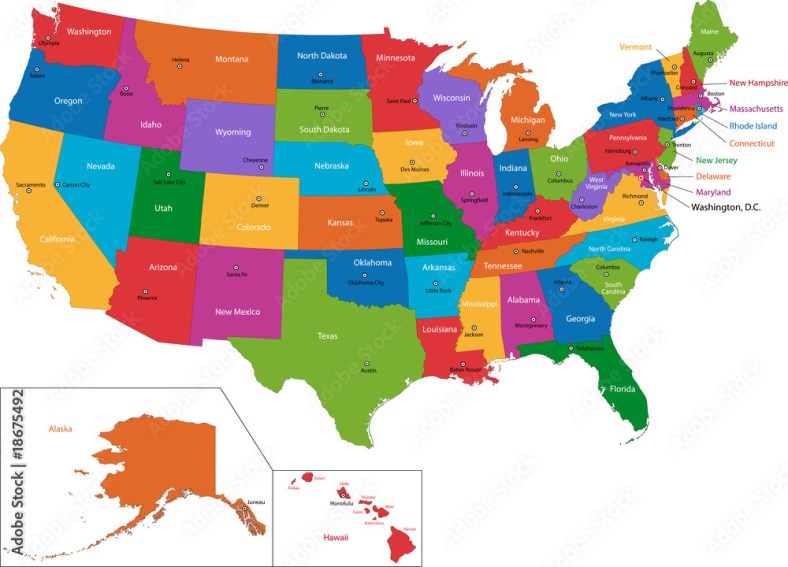
September 22 focuses on raising awareness and sharing education about all 50 states and their capitals on National States and Capitals Day.

As children, we learn about the 50 states and their capitals in the U.S. But as we get older, we tend to forget those important cities and their role in crafting policy and influencing the economy. And, while everybody knows their own state capital, many do not even remember the capital of the state next door. Today, let’s take the time to remind ourselves how important every state and capital is to our nation.

Learning about States and Capitals

Remember those paper maps we were given to learn about states and capitals? Our worksheet had blank states with star indicating where the capital was supposed to be. The agony of naming each state and capital was definitely stressful! We spent time memorizing names, where the state was and naming each capital. Not to mention spelling everything correctly. Some of us were lucky to have a teacher that would play a game to help us remember.

Typically, we learn about states and capitals between the grades 3-6, starting with the state we live in. From there, we learn our country has 50 states and 50 capitals within each state. All 50 capitals have a unique history, which means there are 50 reasons why a specific city or town was chosen to be a state capital. In addition, we eventually learn how governments operate and the vital roll each state plays in our national government.

Looking for an adventure?  Take a road trip for your next vacation.  Chances are you’ll find a lot more than 50 reasons to enjoy the scenery.  Whether visiting family and friends or another specific spot, do some road tripping to some scenic vistas and appreciate the history, flavor and cultures along the way.

Explore More…

Are state capitals found in the largest cities of each states? No. The first state capitals were built according the where the majority of the population lived in a state, or near a main access hub. For example,  in North Dakota the state capital is Bismarck, but was once the capital of the Dakota Territory. The Northern Pacific Railroad was built to transfer goods from eastern U.S. to the west, making Bismarck the prime location for state government. Bismarck became the official state capital only after the territory was split into 2 states–North and South Dakota.

Huh?

  • The letter Q is the only letter NOT found in any of the state names
  • Sweet Home, Alabama is a real place.
  • It’s illegal to bury people in San Francisco, California.
  • New Jersey has a volcano.
  • South Carolina has a place called Monkey Island, that has over 4,000 rhesus monkeys.
  • The state bird for Wisconsin is a plastic flamingo.
  • There are more chickens in Delaware than there are people.
  • The Empire State Building in New York has it’s own zip code.

State Capitals in Small Cities

  • Juneau, Alaska, population est. 32,300.
  • Dover, Delaware, population est. 39,400.
  • Frankfort, Kentucky, population est. 28,600.
  • Augusta, Maine, population est. 18,900.
  • Annapolis, Maryland, population est. 40,800.
  • Jefferson City, Missouri, population est. 43,230.
  • Helena, Montana, population est. 32,100.
  • Concord, New Hampshire, population est. 4,000.
  • Pierre, South Dakota, population est. 14,100.
  • Montpelier, Vermont, population est. 8,100.

BEHIND NATIONAL STATES AND CAPITALS DAY

Dick & Jane Educational Snacks receives credit for the idea to celebrate National States and Capitals Day on September 22. Not only does it raise awareness about the importance of knowing all 50 states and capitals, it reminds people to have fun while learning.

LEARN YOUR STATES AND CAPITALS

  • Divide learning about states into regions to learn each region before moving on to the next.
  • Check out a book from the library each week on a specific state to learn facts. Return the book and pick another state until all states have been covered.
  • Learn fun facts about states. What famous people are from there? What kind of tourist attractions might be fun to visit?
  • Fix a puzzle with all 50 states and capitals.
  • Draw a map of the United States with the states and fill in the capitals, too.
  • Use Dick & Jane Educational Snacks to help your kids learn about states and capitals.
  • Tag your videos learning states and capitals on social media #NationalStatesandCapitalsDay.
INTERNATIONAL BACON DAY

The first Saturday in September is International Bacon Day and a day to enjoy all things bacon! This delicious food holiday is a favorite because bacon makes everything better!

There are so many things we can say about bacon and the flavor it adds to dishes. Today, we are reminding everyone that bacon is not just a breakfast food, but also a great way to add delicious flavor to any recipe.

Bacon Backstory

Bacon is pork cured in salt made from cuts of the belly or back of a pig. Curing pork dates back thousands of years. During ancient times, Chinese, Egyptian, and Roman cultures all had methods for preserving pork. However, Romans recieve credit for sharing their knowledge of curing pork calling their bacon “petaso.” As cured pork expanded throughout Europe, the meat became a staple to families because of the ability to preserve it easily.

European settlers brought their pork curing techniques to America the same time the first settlers arrived. However, the meat was much saltier and leaner than what they would eat in Europe. During the 19th and 20th centuries, meat production began to expand to the general public. Brining and smoking bacon became widely acceptable in mass production, making the distribution of bacon much easier. Today, bacon plays a significant roll in American cuisine.

5 Bacon Festivals in the U.S.

  1. Bacon Fest, Pennsylvania
  2. Bourbon and Brews Festival, Kansas
  3. Bacon & Beer Festival, New Hampshire
  4. Bacon Bash, Texas
  5. Memphis Flyer Bacon & Bourbon, Tennessee

Did You Know?

Bacon is one of the most popular and recognizable meat products around the world and is known for its distinctive savory and smoky flavor.

Are there different types of bacon? Yes! Here the 4 common types of bacon throughout the world:

  1. American bacon is the most well-known bacon type. It’s made from pork belly and contains both meat and fat. This type of bacon becomes crispy after cooking.
  2. Canadian bacon is made from the lean parts of the pig. Normally, Canadian bacon is similar to ham in flavor and appearance.
  3. Pancetta is an Italian bacon made with salt and spices that can be eaten cooked or uncooked. People often use pancetta in sandwiches, but also in some dishes.
  4. Guanciale is another Italian bacon commonly used in carbonara and amatriciana. This type of bacon is the fattiest of all other bacon types and is probably most flavorful.

Bacon adds rich flavor and versatility to cooking by enhancing the dishes it is added to. Whether enjoyed on its own, as a savory ingredient, or as a guilty pleasure, bacon remains a favorite food around the globe.

HISTORY BEHIND INTERNATIONAL BACON DAY

Each year on the first Saturday in September we celebrate International Bacon Day as a way to indulge and enjoy bacon. We plan on starting our day with bacon and eggs, have a bacon sandwich for a mid morning snack, and eat a BLT for lunch. Then, we will likely eat a bacon-inspired pasta for dinner with a bacon infused dessert. Later in the evening, we are going to relax with a nice Bloody Mary with bacon garnish.

Explore More…

Salami Day

Bologna Day

Corned Beef Hash Day

Cold Cuts Day

International Bacon Day

Wiener Schnitzel Day

Sloppy Joe Day

National Sausage Month

National Meatball Day

Bacon Day

Pigs in a Blanket Day

6 INTERNATIONAL BACON DAY CELEBRATION IDEAS

International Bacon Day is a time to savor the delight of delicious bacon! Embrace your joy for bacon today by having fun with today’s food holiday.

  1. Host a bacon-everything breakfast by adding bacon to your eggs, pancakes, or omelets. You can also make breakfast burritos or add bacon to your waffle batter.
  2. Experiment with bacon in a new recipe or add it to a favorite one you already make.
  3. Cook different types of bacon and have a bacon tasting party with your family and friends. We recommend adding Applewood -smoked, maple-glazed, or peppered flavor to your menu.
  4. Create the ultimate beverages by adding bacon and other ingredients. In fact, we hear adding bacon as a garnish to a Bloody Mary is delicious!
  5. Find a local bakery or specialty bacon shop that offers a variety of bacon flavors. This might be a great way to treat yourself to a better quality bacon versus buying bacon in the grocery store.
  6. Share your love for bacon on social media using the tag #InternationalBaconDay.

NATIONAL WILDLIFE DAY

National Wildlife Day on September 4th encourages improved awareness of the species around us and in the broader world. 

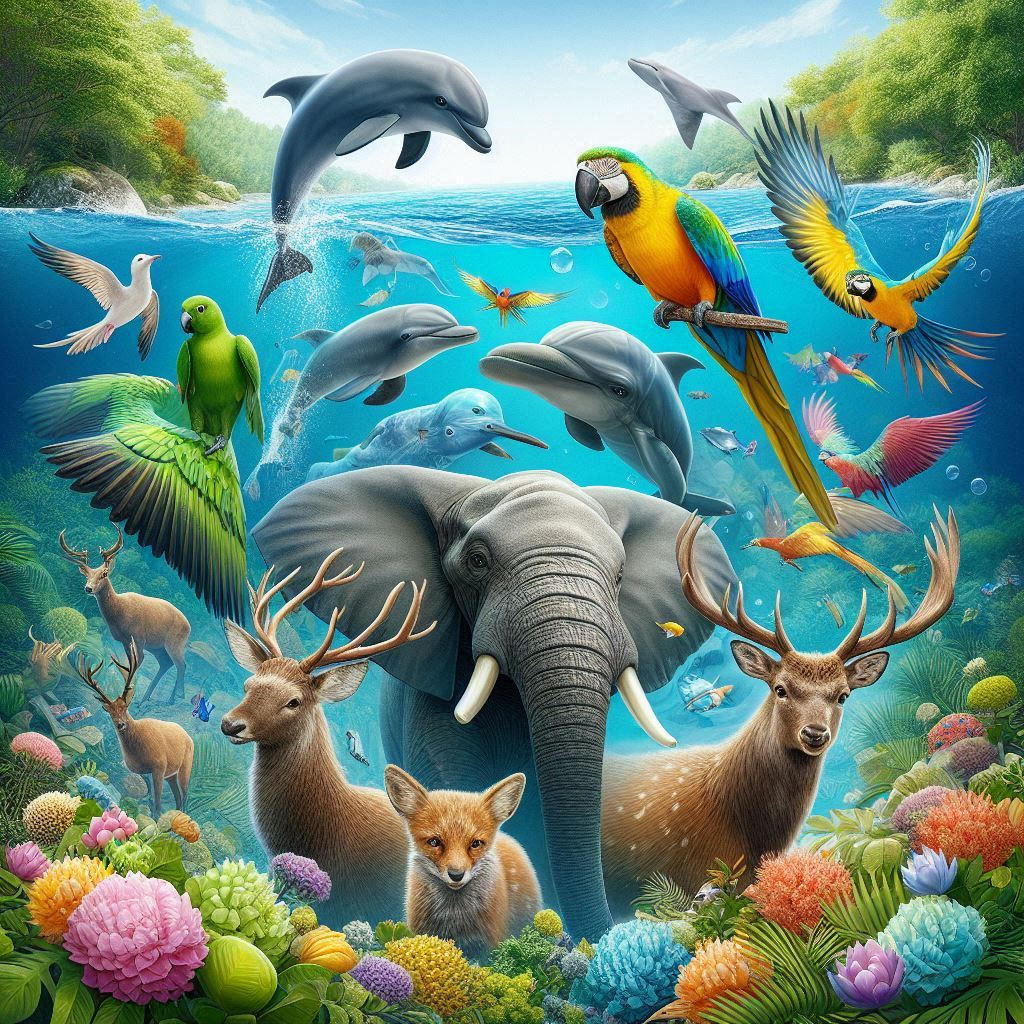
This National Day focuses on endangered species, preservation, and conservation efforts around the world. Zoos, aviaries and marine sanctuaries provide a variety of ways to get involved.

No matter where you live, opportunities abound to learn and participate in the day. Wildlife doesn’t only exist in the forest or outside the city limits. Look closely. The creatures and animals sharing our world live under our feet and in the sky above us. Our rivers, lakes and oceans are teeming with wildlife of all sizes. It’s essential to understand how we impact the habitats that animals need to survive. Their homes supply their food and shelter.


Around the world, facilities and organizations will present seminars and educational programs. Additionally, podcasts and documentaries alert us to the changing conditions for various species around the world.  Some may be as close as your own back yard. From the sky to the depths of the ocean, wildlife surrounds us.

Since wildlife relies on a stable habitat, understanding conservation and preservation is important. Developing strategies helps to maintain existing habitats and repair or replace those that have been destroyed. These strategies are especially important when a decline in a species is detected. For example, each year in August, International Whale Shark Day brings attention to the plight of the world’s largest fish. Despite efforts, the gentle giant continues to decline in numbers.   

NATIONAL WILDLIFE DAY HISTORY

Colleen Paige, the Pet Lifestyle Expert, and author founded National Wildlife Day in 2005. She created the day in honor of and later in memory of wildlife conservationist Steve Irwin. The global awareness day brings education to the public concerning the number of endangered animals and the need for conservation and preservation. 

If we can teach people about wildlife, they will be touched. Share my wildlife with me. Because humans want to save things that they love. – Steve Irwin

Explore More…

HOW TO OBSERVE #NationalWildlifeDay

Participate in a presentation. Volunteer to fund-raise for rehabilitation services. Other ways to celebrate the day include:

  • Learn about the needs of endangered species and how conservation efforts work.
  • While learning, implement your own techniques, as suggested by preservationists.
  • Go on a wildlife walk and learn about the inhabitants near you. Visit the National Wildlife Federation to learn more. 

Use #NationalWildlifeDay to post on social media. Share photos of your neighborhood wildlife or even those farther from home. 

BABY SAFETY MONTH

All September long, Baby Safety Month highlights the importance of providing babies and families with safe, quality products.

Children are a precious commodity. Parents and caregivers strive to provide the safest environment for children. Putting children’s safety first is a high priority. That not only means protecting them where they live but also protecting them from dangerous products. 

For babies, every room in the home poses safety concerns. The paint on the walls, the temperature of the water, cleaners under the sink all present risk factors. But there are actions parents and caregivers can take to protect babies. These are just a few:

13 Baby Safety Tips

  1. Anchor large pieces of furniture and televisions.
  2. Place gates at the tops and bottoms of stairs.
  3. Cover outlets.
  4. Remove blinds and curtains with long or looped cords.
  5. Install smoke detectors and test twice a year.
  6. Add a fire extinguisher to every level of the home.
  7. Put safety latches on cabinet doors and the toilet.
  8. Check the thermostat on the hot water heater; install a temperature guard.
  9. Remove toys with pieces small enough to swallow. Throw away broken toys.
  10. Test old paint for lead. Have it removed or sealed.
  11. Place bumpers on sharp corners.
  12. Remove poisonous plants.
  13. Complete the registration cards that come with baby furniture, supplies, and toys. If there is a recall, you’ll be notified.

Babies keep parents and caregivers busy, but these are just a few steps to help make their jobs less stressful and keep their small humans safe.

BABY SAFETY MONTH HISTORY

The Juvenile Products Manufacturers Association founded Baby Safety Month in 1983 as Expectant Mother’s Day. Over the years the celebration has grown into a full month of information, education, and focus on infant safety.

Explore More…

  • National Safe Toys and Gifts Month
  • National Seat Check Saturday
  • National Bath Safety Month

HOW TO OBSERVE #BabySafetyMonth

Visit the Juvenile Products Manufacturers Association (JPMA) website for more Baby Safety Tips. Take the time to explore your home and car from a baby’s eye view. Crawl around on the floor and see what your baby sees. You might discover some safety hazards that need immediate attention. 

Make sure your baby is safe and use #BabySafetyMonth to post on social media.

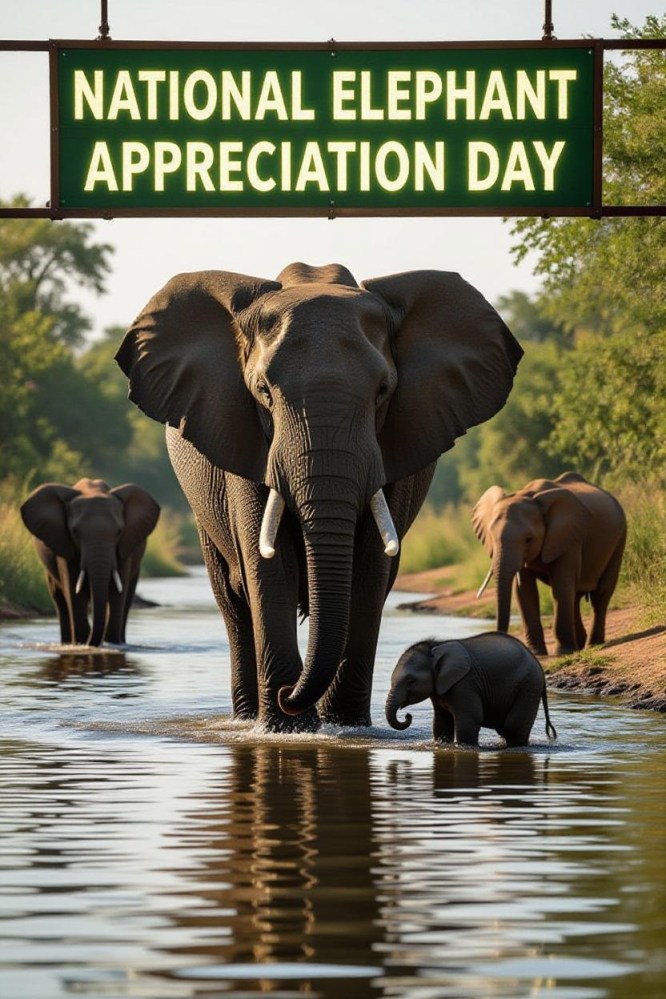
NATIONAL ELEPHANT APPRECIATION DAY

If you didn’t remember September 22 is National Elephant Appreciation Day, it’s fine. We’re sure the elephant probably didn’t forget.

People of all ages are fascinated by elephants. Discover some interesting facts about them to celebrate with us! 

These captivating and social animals live between 60 to 70 years. Like humans, elephants develop remarkably close family bonds. Two species, the African Savannah and Asian elephant, exist. However, recently scientists suggested that the African Forest elephant is also a unique species and not a subspecies. 

Each day, poachers kill approximately 100 elephants for their ivory, meat, bones, and skin. 

These pachyderms are closely related to rhinoceroses and hippos. In fact, pachyderm describes thick-skinned animals with hooves or nails similar to hooves. While the African elephants outgrow the Asian, both hold the prize for the largest land mammal on earth. However, there are some differences between the species, though. 

Differences Between African & Asian Elephants:

  • The African elephant grows larger ears.
  • In the Asian species, only the male grows tusks. However, in the African, both male and female elephants grow tusks.
  • One of the things that fascinate us about elephants is their trunk. It’s super sensitive. At the end, a small finger-like appendage grows. The appendage, also known as a lobe, gives elephants the ability to pick up small twigs, bits of grass and other items. On the Asian elephant, the lobe grows at the top tip of the trunk. However, the African elephant grows a lobe at the top and bottom, giving it extra pinching dexterity. 
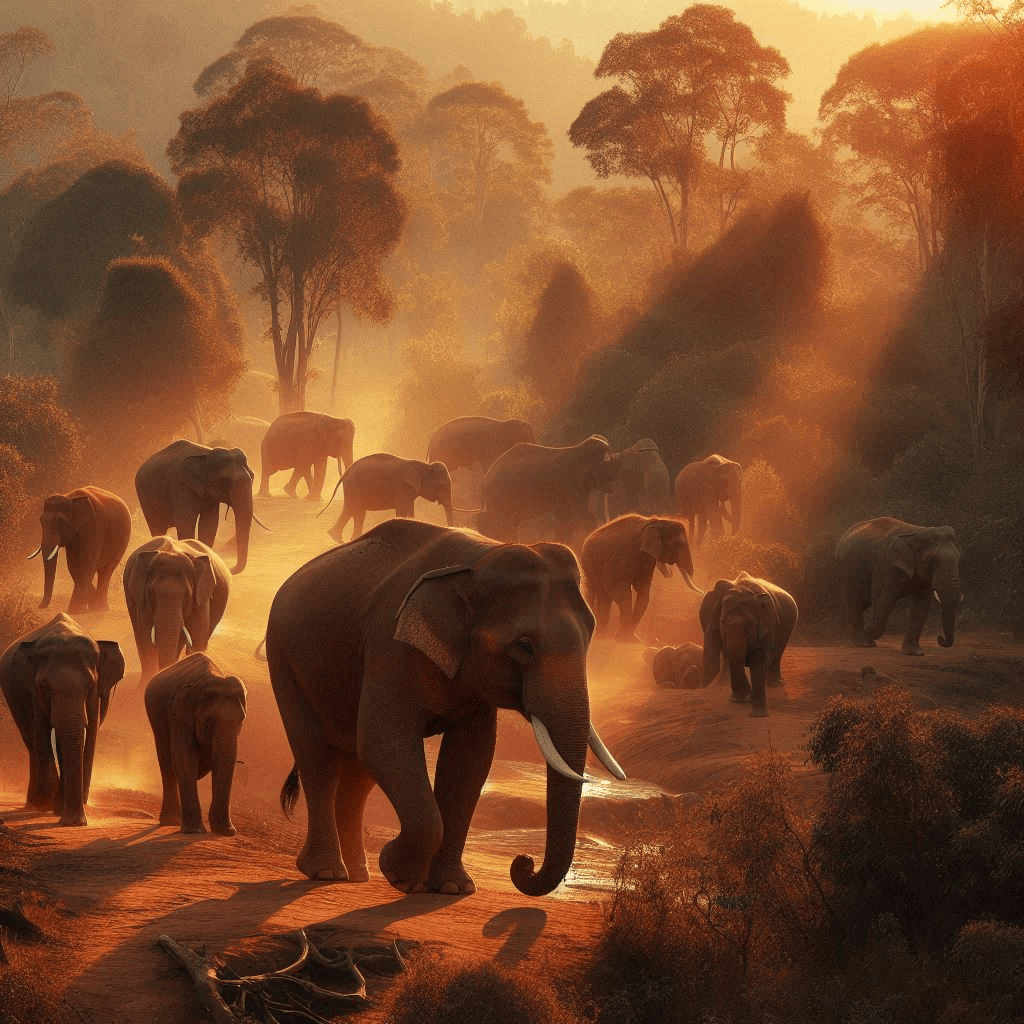
  • Both species live in herds. The herds are led primarily by a matriarch and comprised of sisters, daughters and their young. As the males grow, they move off on their own. Asian herds tend to be smaller than the African herds.
  • While both species are herbivores, their diets vary based on the available habitat. 

Elephants are spirited and playful animals. Have you ever seen them frolic in the water?  And they will defend their own with their mighty tusks. Whether foraging for food or digging a mud hole, their tusks are vital for survival. Since hunters value the ivory more than the life of the elephant, they endanger the continued existence of these majestic animals. 

Do elephants never forget? Well, studies have determined that elephants have excellent memories. They remember vital locations over large areas of land. Elephants also show recognition of faces and other elephants even after a long time has passed. And while we may be forgetful from time to time, we don’t recommend forgetting this holiday!

NATIONAL ELEPHANT APPRECIATION DAY HISTORY

National Elephant Appreciation Day originated in 1996 to raise awareness concerning the plight of elephants. 

The word “pachyderm” is often used in reference to an elephant. However, the elephant isn’t the only pachyderm in the world. The obsolete term was once a classification of animals which also included hippopotamuses, rhinoceroses, pigs, and tapirs.

Elephants do sleep standing up, though not all the time. Wild elephants will spend more time sleeping standing up than their captive relatives.

Explore More…

National Wildlife Day

National Urban Wildlife Refuge Day

National Wildlife Conservation Day

National Endangered Species Day

World Lion Day

National Monkey Day

National Pig Day

National Elephant Day

National Dolphin Day

National Wildlife Week

World Wildlife Day

National American Eagle Day

Save the Eagles Day

National Panda Day

International Red Panda Day

National Zoo Lovers Day

National Zoo and Aquarium Month

HOW TO OBSERVE ELEPHANT APPRECIATION DAY

Don’t forget to celebrate the Elephant on September 22nd! Show your appreciation today by visiting the elephants at your local zoo. Get involved. Learn about conservation and eliminating poaching.

Read up about elephants. We suggest The Elephant Whisperer by Lawrence Anthony or Love, Live and Elephants: An African Love Story by Daphne Sheldrick. You could also read Horton Hears a Who by Dr. Seuss or any of the Babar stories by Jean de Brunhoff.

Documentaries bring the life of the elephant into our living rooms. Watch Elephant directed by Mark Linfield or When Elephants Were Young directed by Patricia Sims.

Use #ElephantAppreciationDay to post on social media.