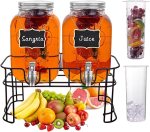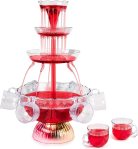
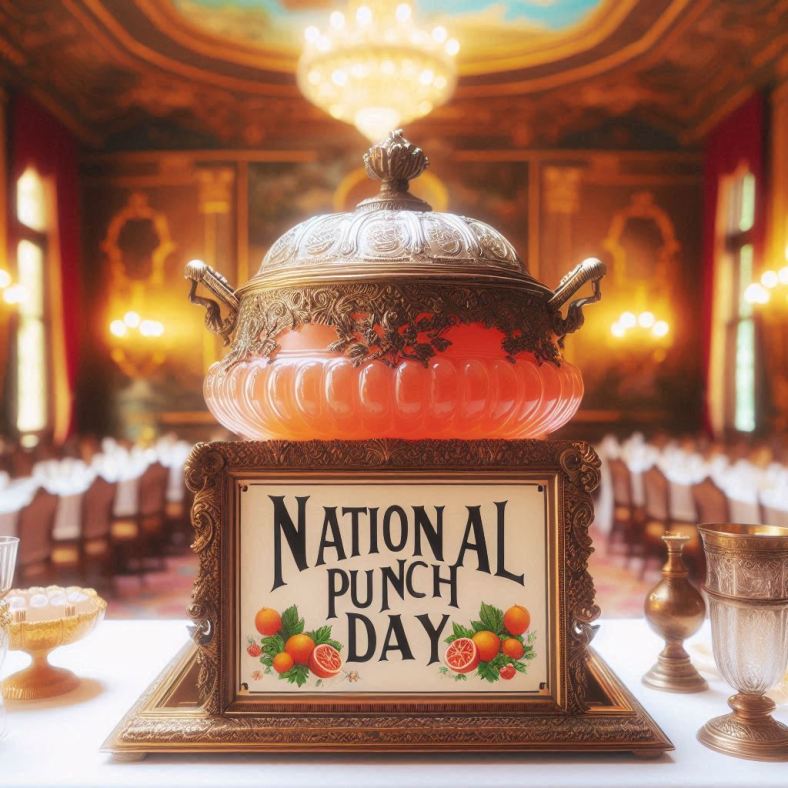
NATIONAL PUNCH DAY

While one perspective suggests honoring tools used to make holes, another points to a day created to throw a few punches at a punching bag. However, we will direct you toward the thirst-quenching version instead. Besides, this delicious, refreshing drink sparkles with celebration.
A wide assortment of drinks, both alcoholic and non-alcoholic, fall into the category of punch.
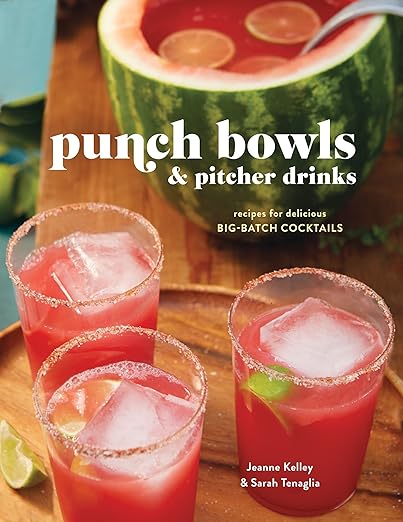
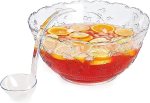
A combination of fruit juice and a carbonated beverage, the colorful, bubbly drink sparkles with party personality. In fact, parties, weddings, and other celebrations serve punch as part of the centerpiece at the beverage table. Large wide bowls known as punch bowls provide a beautiful vessel for serving punch.

The word punch is a loanword from Hindi panch (meaning five). Originally, punch was made with five ingredients: alcohol, sugar, lemon, water, and tea or spices. It was called paantsch.


Soft drink manufacturers today distribute many types of “fruit punch” beverages. Most punch mixes are red in color. However, despite the name, they contain a small fraction of fruit juice. Sugar, corn syrup, citric acid, and artificial flavors make up the main ingredients.

Explore More…

HOW TO OBSERVE NATIONAL PUNCH DAY

Make some punch and make a toast! Thousands of punch recipes make the beverage versatile and easy to make. Check recipe books and online. Be sure to share your favorites, too! Use #NationalPunchDay to post on social media. 
NATIONAL CHOCOLATE MILKSHAKE DAY

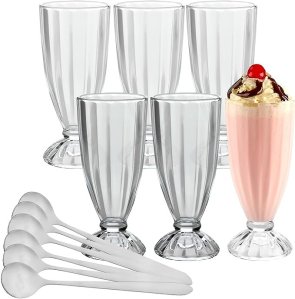
National Chocolate Milkshake Day on September 12th brings chocolate and ice cream lovers together. Forget the calories for just this one day and enjoy a sweet tall, thick and delicious, chocolate milkshake!

The term milkshake first appeared in print in 1885. During this period, milkshake referred to an alcoholic beverage described as a “sturdy, healthful eggnog type of drink” blended with eggs, whiskey, and other ingredients. Pharmacies served the drink as a tonic and a treat to customers. By 1900, pharmacies offered this “wholesome drink” with either chocolate, strawberry, or vanilla syrup. 

  • The early 1900s – People began asking for this “new treat” with a scoop of ice cream.
  • 1911 – Hamilton Beach’s drink mixers began to be used at soda fountains.
  • 1922 – Steven Poplawski invented the electric blender or drink mixer.
  • Due to the invention of the blender, the milkshake began to take a chipped, aerated, and frothy form as they are today.
  • By the 1920s & 1930s, milkshakes became a popular drink at malt shops everywhere. 

Another addition to the milkshake was malted milk powder. Made from malted barley, wheat flour, and dehydrated whole milk, malted milk tastes a bit like toasted caramel. It made its debut around the 1870s as a shelf-stable dry milk product. Add the powder to a chocolate milkshake, and transform the creamy goodness into a malted chocolate milkshake. Along with milkshakes, malted milk milkshakes became popular drinks at soda fountains around the 1920s. 

Explore More…

HOW TO OBSERVE #ChocolateMilkshakeDay

Enjoy a chocolate milkshake at your favorite restaurant or soda fountain. Or try a malted version, especially if you’ve never had a malted chocolate milkshake. It is definitely worth a try. You may want to top off your chocolate milkshake with a dollop of whipped cream! While you’re enjoying this sweet treat, don’t forget to introduce this delicious pasttime to someone else. 

Do you have a favorite malt shop? Be sure to give them a shout out, too! Use #ChocolateMilkshakeDay to post on social media.

NATIONAL TV DINNER DAY

National TV Dinner Day is observed annually on September 10th.  In 1953, C.A. Swanson & Sons changed the prepackaged meal business forever. Introducing the TV Dinner revolutionized frozen food.

In 1962, Swanson stopped using the name TV Dinner. However, in the United States, the term remains synonymous with any prepackaged dinner purchased frozen from a store and heated at home.

The first Swanson TV Dinner consisted of a Thanksgiving meal of turkey, cornbread dressing, peas, and sweet potatoes. Originally, Swansons made the tray of aluminum. They separated each food item into individual compartments, too. At home, the cook heated the dinner in the oven. The cooking time was usually 25 minutes. Today, nearly all frozen food trays can be cooked in the microwave or a conventional oven. 

Explore more…

When Swanson’s first sold TV dinners, they priced them at 98 cents. In the first year, production estimates reached 5,000 dinners. To their surprise, Swanson far exceeded that amount. In the first year, they sold more than 10 million of them.

TV Dinner Facts
  • 1960 – Swanson added desserts to a new four-compartment tray.
  • 1964 – Night Hawk name originated from the Night Hawk steak houses that operated in Austin, Texas, from 1939 through 1994. The original diners were open all night, catering to the late-night crowd. The restaurants produced the first frozen Night Hawk TV dinner in 1964.
  • 1969 – The first TV breakfasts were marketed. Great Starts Breakfasts and breakfast sandwiches followed later.
  • 1973 – Swanson markets the first Hungry-Man dinners. The meals included larger portions of its regular dinner products.
  • 1986 – Microwave-oven safe trays debut on the market. 
  • 1986 – The Smithsonian Institute inducted the original Swanson TV Dinner tray into the Museum of American History.

Much has changed since the original TV Dinner. They also remain a popular choice for a fast and convenient meal, fun to eat in front of the TV!

Looking for something to watch?  Check out some of my favorites here.

HOW TO OBSERVE #NationalTVDinnerDay

Get out a TV dinner, pop it in the microwave or oven, and enjoy! Use #NationalTVDinnerDay to post on social media.

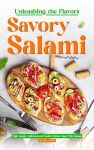
NATIONAL SALAMI DAY

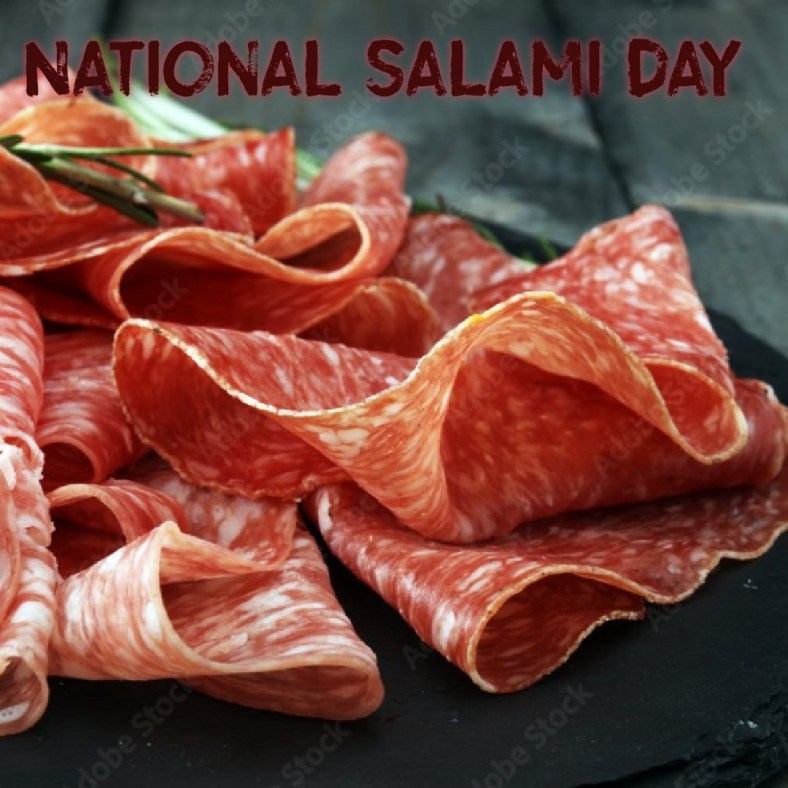
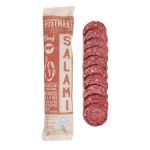
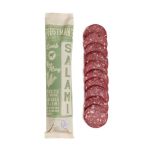
National Salami Dayu on September 7th recognizes a cured meat many people enjoy every day. Salami are cured, fermented, and air-dried sausages that find their way to our delis and butcher shops in delicious variety.

Most commonly made with pork, makers use other meats and blends when preparing salami. For example, delis may offer a lamb, duck, or a beef and pork blend. The ground sausage is blended with seasonings and salt air-cured in either a pork or beef casing. Methods and recipes vary by region and country. Even aging time varies. However, makers typically age salami between 30 to 90 days or longer.

While salami’s beginnings are uncertain, the Romans may have introduced methods used today. In days before refrigeration, Salamis were historically popular among Southern European peasants. The sausage keeps well once cut when stored at room temperatures for up to 30 to 40 days.

Two salamis that might be familiar to you are Genoa and Hard Salami. Genoa salami ages with red wine, peppercorns, and garlic. This softer salami offers a fermented flavor. In contrast, Hard Salami not only falls into the cured category but makers also dry and smoke the meat. The resulting salami slices easily.  

NATIONAL SALAMI DAY HISTORY

The Salami Appreciation Society in Henrico, Virginia created National Salami Day in 2006.

HOW TO OBSERVE #NationalSalamiDay

Enjoy salami in a variety of ways. Don’t just stop at a sandwich. The flavor pairs well with a variety of cheeses and pasta sauces. In a cold pasta dish, salami becomes the star. Don’t forget, Italy gave us this Italian original, even if it’s made worldwide.

Dice up salami and add it to a salad. Whatever bounty harvested from your garden will benefit from the flavor of salami. Just don’t add any additional salt. Most of the seasoning will come from the salomi.

Get yourself a few slices of salami and use #NationalSalamiDay to post on social media.

National Coffee Ice Cream Day

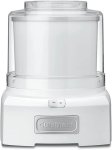
On September 6th National Coffee Ice Cream Day permits us to indulge in a caffeinated dessert. Coffee lovers will delight in the opportunity, especially if they also enjoy ice cream. 

The cool and creamy result of our morning java in a refreshing dessert magnifies the celebration. While not everyone drinks coffee, some like the flavor in desserts. So this day may interest even those who don’t wake up to the smell of freshly brewed coffee in the morning.

Besides, when caffeine finds its way into a frozen, creamy blend, it’s nearly irresistible. Coffee ice cream has been around for many years.  In 1869, coffee ice cream was used in a parfait. One recipe appeared in a 1919 cookbook for Egg Coffee, consisting of cream, crushed ice and coffee syrup.

Howard Johnson’s serves coffee ice cream as one of their standard menu items. According to Foodtimeline.org, since at least the 1960′s coffee is listed right along with vanilla, chocolate, banana, macaroon and coconut.

One thing is for certain, coffee ice cream and chocolate will almost always go well together. Serve a scoop over a dark chocolate cake and the celebration will be complete. Include it in you Labor Day festivities.

Explore More…

HOW TO OBSERVE #CoffeeIceCreamDay

Indulge in some coffee ice cream. Swap recipes and discover new flavors. 

Coffee Ice Cream Fudge Cake
Dulce de Leche Mocha Ice Cream Dessert
Smores Coffee and Fudge Ice Cream Cake

Use #CoffeeIceCreamDay to post on social media.