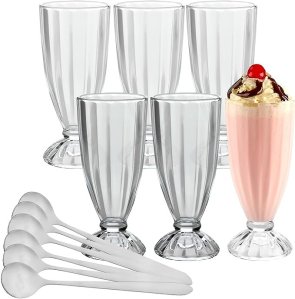
National Chocolate Milkshake Day on September 12th brings chocolate and ice cream lovers together. Forget the calories for just this one day and enjoy a sweet tall, thick and delicious, chocolate milkshake!
The term milkshake first appeared in print in 1885. During this period, milkshake referred to an alcoholic beverage described as a “sturdy, healthful eggnog type of drink” blended with eggs, whiskey, and other ingredients. Pharmacies served the drink as a tonic and a treat to customers. By 1900, pharmacies offered this “wholesome drink” with either chocolate, strawberry, or vanilla syrup.
The early 1900s – People began asking for this “new treat” with a scoop of ice cream.
1911 – Hamilton Beach’s drink mixers began to be used at soda fountains.
1922 – Steven Poplawski invented the electric blender or drink mixer.
Due to the invention of the blender, the milkshake began to take a chipped, aerated, and frothy form as they are today.
By the 1920s & 1930s, milkshakes became a popular drink at malt shops everywhere.
Another addition to the milkshake was malted milk powder. Made from malted barley, wheat flour, and dehydrated whole milk, malted milk tastes a bit like toasted caramel. It made its debut around the 1870s as a shelf-stable dry milk product. Add the powder to a chocolate milkshake, and transform the creamy goodness into a malted chocolate milkshake. Along with milkshakes, malted milk milkshakes became popular drinks at soda fountains around the 1920s.
Enjoy a chocolate milkshake at your favorite restaurant or soda fountain. Or try a malted version, especially if you’ve never had a malted chocolate milkshake. It is definitely worth a try. You may want to top off your chocolate milkshake with a dollop of whipped cream! While you’re enjoying this sweet treat, don’t forget to introduce this delicious pasttime to someone else.
Do you have a favorite malt shop? Be sure to give them a shout out, too! Use #ChocolateMilkshakeDay to post on social media.
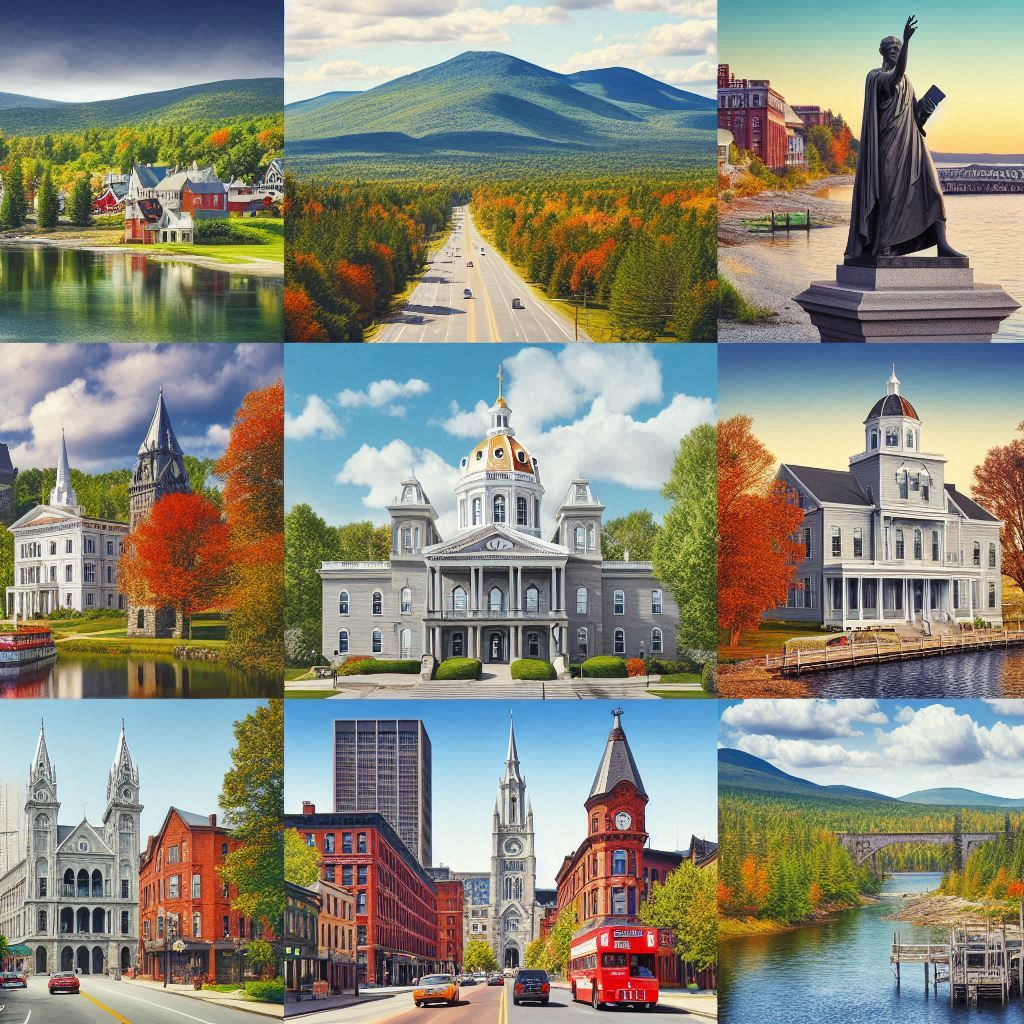
National New Hampshire Day on September 7th recognizes the 9th state to join the Union. The Granite State epitomizes New England in many ways. From its breathtaking landscapes to its fascinating history and people.
State Symbols
State Capital – Concord State Nickname – The Granite State State Motto – Live free or die State Bird – Purple Finch State Flower – Purple lilac State Animal – White – tailed deer State Folk Dance – State Fish – Brook Trout State Dessert – State Fossil – State Mineral- Beryl State Tree – White Birch State Fruit – Pumpkin State Song – State Gemstone – Smokey Quartz State Rock – Granite State Insect – Ladybug
Quotable Quotes
If you’ve ever wondered where the phrase “not yet begun to fight” originated, just look to one of New Hampshire’s notable naval officers, John Paul Jones.
“Live Free or Die” is the state’s motto. Another revoluationary hero, John Stark earns the credit for it. In a written toast in honor of the anniversary of the Battle of Bennington, Stark’s full quote reads: “Live free or die, death is not the greatest of evils.” While he may not be the first to share the sentiment to live free or die, his toast summed up the country’s dedication to independence.
Settlers
New Hampshire’s history holds more than noble quotes. Many firsts fill its timeline. In 1719, Scotch-Irish settlers brought the first potatoes to North America. The settlers planted them in the settlement of Nutfield, now known as Londonderry.
Before Paul Revere had his famous ride, he first made another all-important journey. In 1774, Revere rode the 55 miles from Boston to Portsmouth to warn the citizens of an impending seizure of Fort William and Mary. The village stormed the fort and took control of the ammunitions before the British arrived.
Politics and More
New Hampshire became the first state to established an independent government. The state also created the first written constitution.
In 1828, when ownership changed hands at the Cocheco Manufacturing Company, the new owner reduced the wages of only the femail textile mill workers. On top of already difficult work and long days, the owners placed even stricter requirements on its employees. Frustated, on December 30th, about 400 of the female workers walked out. It became the nation’s first all female strike. The strike failed and resulted in many of the striking workers returning to work at even lower wages.
The state also holds its primaries before any other state. Early on during election time, the country focuses its attention on New Hampshire. Another phrase often attributed to New Hampshire: “As New Hampshire goes, so goes the nation.”
Known for its fall foliage, New Hampshire’s impressive colors bring visitors every autumn. From mountains to the seaside, the state offers year-round adventure.
HOW TO OBSERVE #NationalNewHampshireDay
Celebrate New Hampshire’s historic places, panoramic scenery and captivating personalities. Explore all New Hampshire offers! Use #NationalNewHampshireDay to share on social media.
NEW HAMPSHIRE FLAVOR
With apples as the leading fruit crop in the state, it should be no surprise that the people of New Hampshire specialize in baking and cooking with them. That includes their cider donuts! Not that anyone would refuse a donut, but these taste like fall!
Apple Cider, whether spiked or not, is a special treat in New Hampshire. A hot mug of autumn’s spiced orchard produce will warm you right up!
If you need a stronger drink to warm the cockles of your heart, try New Hampshire’s honey mead which is often fermented with the season’s fresh fruits. Also called honey wine, mead may be the world’s oldest alcoholic beverage.
Being a coastal state, seafood like lobster is a top choice but don’t over look fresh water favorites like fried lake bass. With the mountain hikes to take in all the scenery in New Hampshire, it’s easy to work up an appetite to sample all this goodness!
Notable People
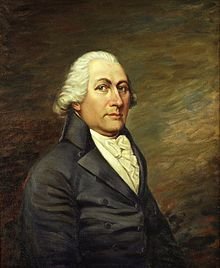
John Langdon – Patriot – (June 26, 1741 – September 18, 1819)
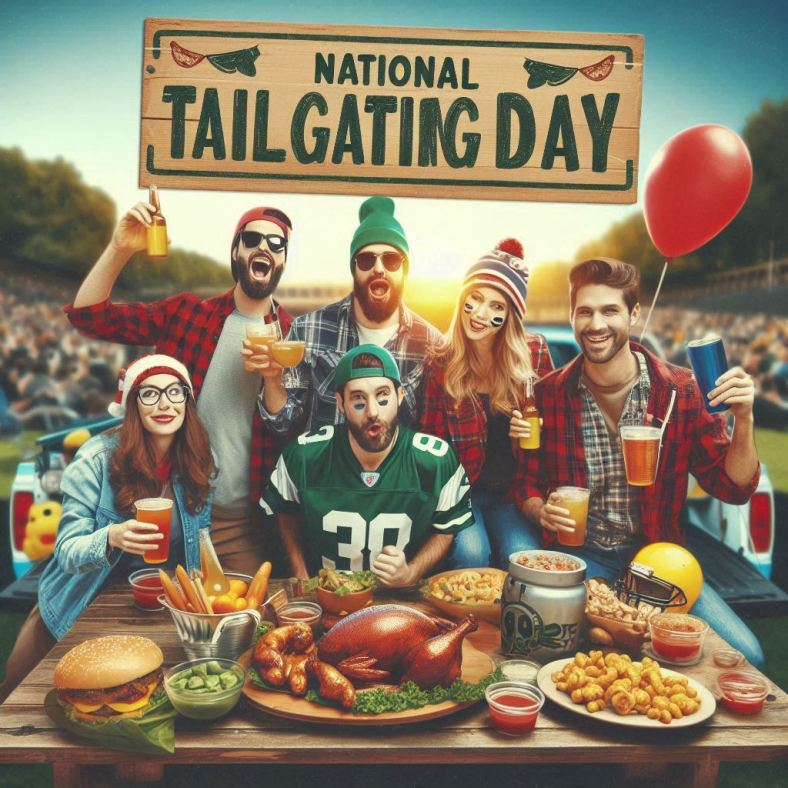
On the first Saturday in September National Tailgating Day reminds us what the autumn colors and scents already do. Those colors signal grilling time and a season of cheering on our favorite teams!
Tailgating is the custom of gathering outside the stadium before the game with fans of the same team for food, beverages and socializing. Gatherings often take place at the tailgate of a pickup truck or the trunk of a car. However, neither are required. Staples of a tailgate party include grilling and beer, though chili competitions and recipe challenges encourage friendly competition before the game. Come hungry!
The original tailgate is unknown. Many teams take pride in claiming this title, as they should. Some writers even suggest the many observers in attendance at the Battle of Bull Run in 1861 to be the very first tailgaters, with their picnic baskets and bottles of claret prepared to watch opposing teams. Perhaps this can be considered tailgating.
Today, tailgating centers around the sport of football. While football has its roots in the game of rugby, it is generally accepted that the first football game in United States history was on November 6, 1869. The match took place between Rutgers and Princeton Universities. On that day fans arrived early to enjoy each others company and some food.
Much like building a community, tailgating hearkens back to a time when pioneering villages would come together to raise the framework of a building. Often followed by a large meal and perhaps a sporting competition of sorts, communities looked forward to these harvest traditions year after year.
Those who tailgate come back every year, weekend after weekend. Couples meet. Families grow. Bonds are forged – all through the community of tailgating.
NATIONAL TAILGATING DAY HISTORY
Luke Lorick, president of Tailgating Challenge, founded National Tailgating Day as a way to share his passion for the sport of tailgating.
Tailgating Challenge is one of the largest tailgating companies in the world, and Lorick sees the joy and friendships tailgating brings to many Americans every day. To learn more about Tailgating Challenge visit the website at www.tailgating-challenge.com.
HOW TO OBSERVE #NationalTailgatingDay
Put on your team colors. Bring your game face. Whip up your best batch of jalapeno poppers and get outside to watch your favorite team play this weekend! Use #NationalTailgatingDay to post on social media.
Post your tailgating pics on one of Tailgating Challenge’s social media pages:
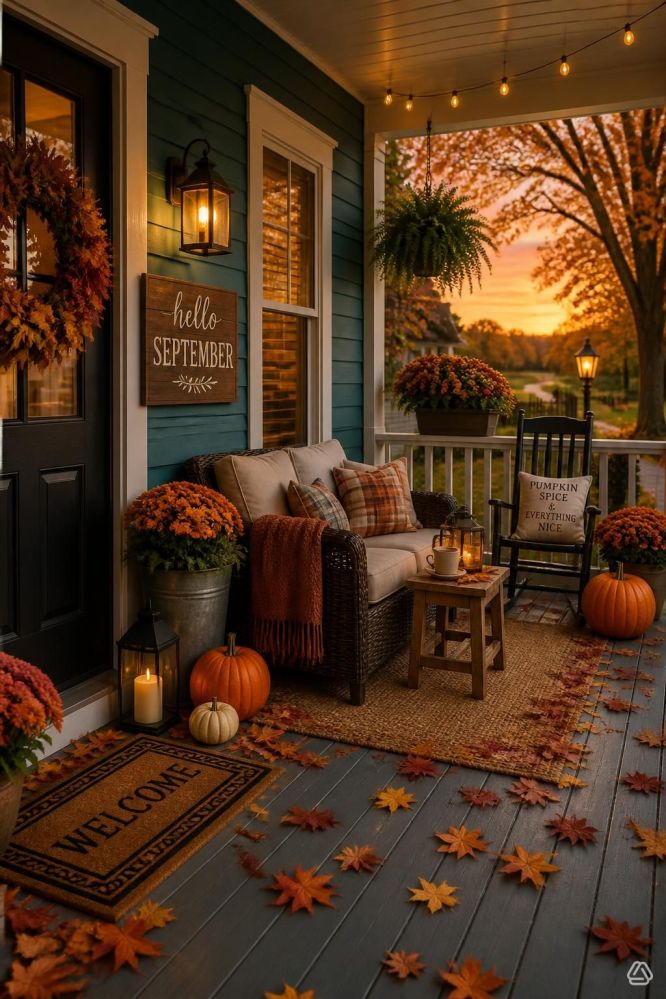
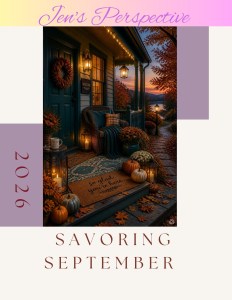
As summer gently fades into autumn, September invites us to savor the beauty and warmth of this transitional month. With its crisp air, vibrant foliage, and comforting traditions, September is a time to reflect, recharge, and reconnect with ourselves and our loved ones.
Weather and Changing Seasons
September is a month of contrasts. In many places, warm days linger, allowing us to bask in the sun’s glow before the chill of winter sets in. As the leaves begin to change, we witness nature’s stunning transformation:
Early September: Expect warm, sunny days with temperatures often in the 70s and 80s (Fahrenheit). It’s perfect for outdoor activities and enjoying the last of summer’s bounty.
Late September: The air cools significantly, often dipping into the 50s and 60s. Sweaters and cozy blankets make their return as we prepare for the autumn chill.
This month serves as a gentle reminder to embrace change, both in nature and within ourselves.
Ads by Amazon curated by Jen’s Perspective see more on our storefront
September is rich with symbolism, particularly in its birthstones and zodiac signs:
Birthstone: The sapphire, symbolizing wisdom, loyalty, and nobility. Its deep blue hue is reminiscent of the clear autumn sky.
Zodiac Signs: Virgo (August 23 – September 22) and Libra (September 23 – October 22). Virgos are known for their practicality and attention to detail, while Libras epitomize harmony and balance.
Famous birthdays this month include:
Freddie Mercury (September 5)
Beyoncé (September 4)
Agatha Christie (September 15)
Stephen King (September 21)
Each of these figures has left an indelible mark on their respective fields, reminding us of the creativity and inspiration that can blossom in this month.
Cozy Activities to Embrace September
As the air turns crisp and the days grow shorter, it’s the perfect time to indulge in some cozy activities. Here are a few ideas to make the most of September:
Nature Walks: Take a leisurely stroll through a local park or nature reserve to witness the changing leaves. Bring along a thermos of hot cider for an extra touch of warmth.
Baking Days: September is ideal for baking seasonal treats. Try your hand at apple pies or pumpkin bread, filling your home with comforting aromas.
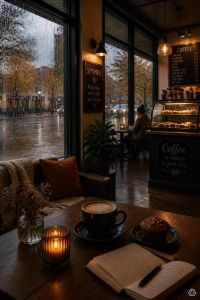
Book Nook: Create a cozy reading corner with soft blankets and pillows. Dive into a good book, perhaps one by a beloved September birthday author.
Crafting: Start a DIY autumn project, whether it’s creating decorative wreaths from fallen leaves or knitting scarves to prepare for the colder months.
Movie Nights: Host a movie marathon featuring fall-themed films. Snuggle up with popcorn, hot chocolate, and your favorite cozy blankets.
Harvest Festivals: If possible, attend local harvest festivals or farmer’s markets. Enjoy the seasonal produce and connect with your community.
Mindfulness Moments: Take time for reflection and mindfulness. Consider journaling about your hopes and goals for the coming months or simply enjoy a moment of stillness outdoors.
Embracing the Spirit of September
September is a month that encourages us to slow down, appreciate the beauty around us, and indulge in the simple joys of life. Whether it’s through the warmth of family gatherings, the thrill of birthdays, or the serenity of nature, let this month be a reminder to savor every moment. As we transition into autumn, may we carry the light of summer in our hearts and embrace the cozy changes ahead.
What cozy activity are you looking forward to this September?
Ads by Walmart curated by Jen’s Perspective visit our storefront
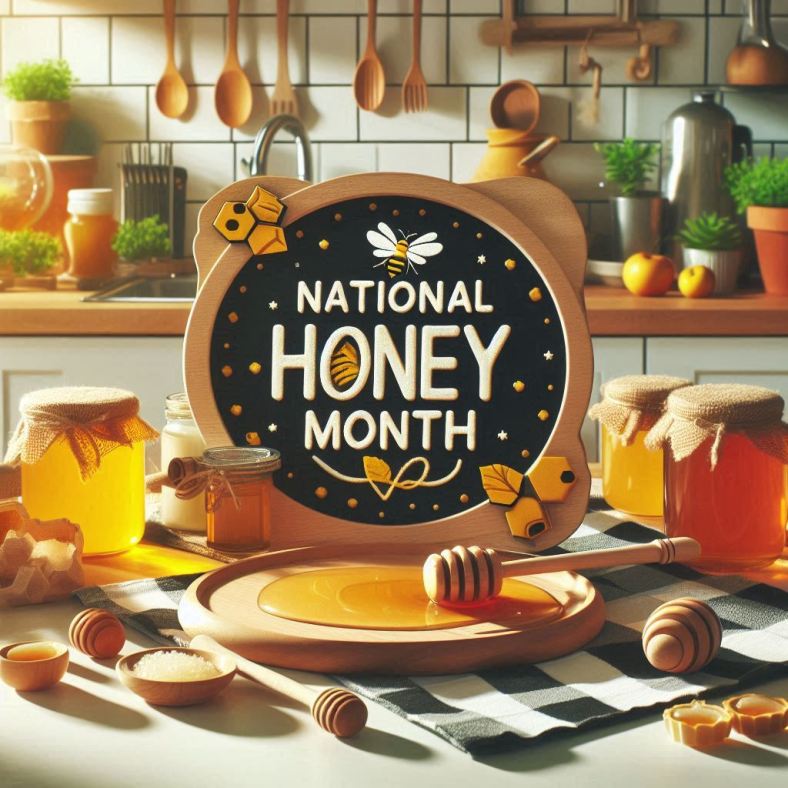
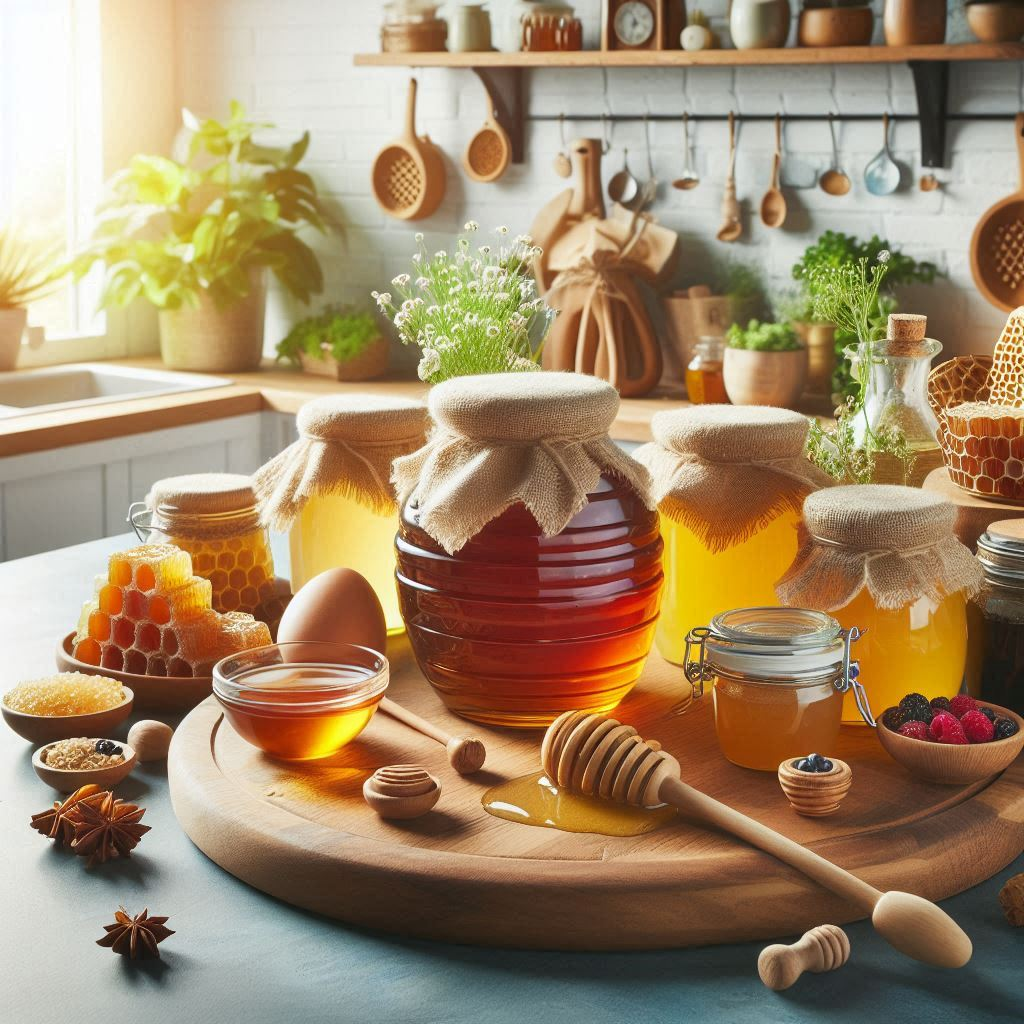
Honey is a sweet and viscous fluid produced by honey bees, and derived from the nectar of flowers. According to the United States National Honey Board and various international food regulations, “honey stipulates a pure product that does not allow for the addition of any other substance…this includes, but is not limited to, water or other sweeteners”.
Honey is Not All the Same. Honey is available in many varieties! Did you realize that honey is available in many different varieties? When bees visit mostly one kind of flower as they gather nectar, the honey they produce has a unique taste, aroma and color from that particular flower. Other honeys are delicious blends of floral sources (look for Mixed Flower, Polyfloral, Wildflower). The Honey Locator is a website you can use to find suppliers of these many varieties of honey.
September is significant for honey producers as it is the month that marks the end of the honey collection season for many beekeepers in the United States.
Honey and its use The main uses of honey are in cooking, baking, as a spread on breads, and as an addition to various beverages such as tea and as a sweetener in commercial beverages. Because honey is hygroscopic (drawing moisture from the air), a small quantity of honey added to a pastry recipe will retard staling.
Medicinal uses and health effects of honey For at least 2700 years, honey has been used to treat a variety of ailments through topical application, but only recently have the antiseptic and antibacterial properties of honey been chemically explained. As an antimicrobial agent honey may have the potential for treating a variety of ailments.
Topical honey has been used successfully in a comprehensive treatment of diabetic ulcers when the patient cannot use other topical antibiotics. Some studies suggest that the topical use of honey may reduce odors, swelling, and scarring when used to treat wounds.
Raw honey also contains enzymes that help in digestion, several vitamins and antioxidants.
Honey may also prevent the dressing from sticking to the healing wounds.
Honey has been shown to be an effective treatment for conjunctivitis in rats.
Honey (especially when combined with lemon) is often taken orally by pharyngitis and laryngitis sufferers, in order to soothe them.
Honey has been a part of many folk cures, it is common and cheap (compared to pharmaceuticals), and cannot be patented.
A Honey for All Skins Skin is the body’s largest organ and its most exposed. Throughout life, the skin comes into contact with more damaging conditions and environments than any other part of the body. Pamper it with one of the world’s oldest skin care secrets, honey. read more http://www.honey.com/consumers/sb/skins.asp
History The awareness month was initiated by The National Honey Board, a United States Department of Agriculture (USDA) founded and overseen organization. (a US government established, USDA-overseen, organization) in 1989.
Biblical Period The Old Testament contains many references to honey as a symbol for all that is pleasant and desirable. For example, the book of Exodus famously describes the Promised Land as a ‘land flowing with milk and honey’ (33:3). There, however, the Hebrew devash refers to the sweet syrup produced from the juice of the date. In contrast, bees’ honey is referred to explicitly in The Book of Judges when Samson found a swarm of bees and honey in the carcass of a lion (14:8). Matthew 3:4 John the Baptist lived for a long period of time in the wilderness on a diet consisting of locusts and wild honey. The word “honey” appears 61 times in the King James Version of the Bible. http://en.wikipedia.org/wiki/Honeyy
HOW TO OBSERVE
Add some honey to your diet and use #NationalHoneyMonth to post on social media.