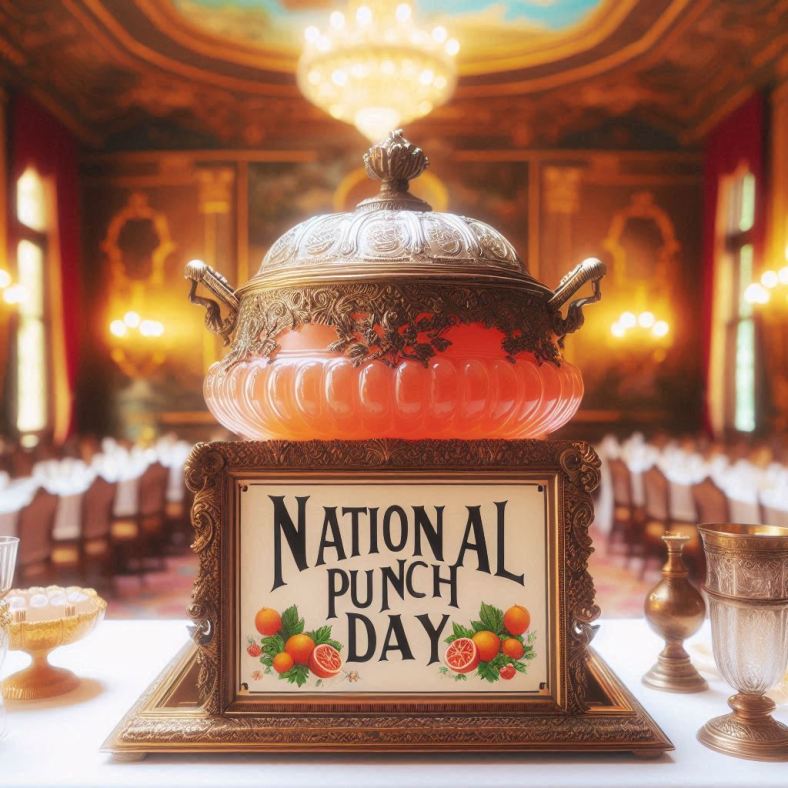
While one perspective suggests honoring tools used to make holes, another points to a day created to throw a few punches at a punching bag. However, we will direct you toward the thirst-quenching version instead. Besides, this delicious, refreshing drink sparkles with celebration. A wide assortment of drinks, both alcoholic and non-alcoholic, fall into the category of punch.
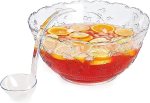
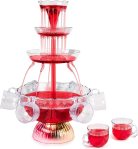
A combination of fruit juice and a carbonated beverage, the colorful, bubbly drink sparkles with party personality. In fact, parties, weddings, and other celebrations serve punch as part of the centerpiece at the beverage table. Large wide bowls known as punch bowls provide a beautiful vessel for serving punch.
The word punch is a loanword from Hindi panch (meaning five). Originally, punch was made with five ingredients: alcohol, sugar, lemon, water, and tea or spices. It was called paantsch.
Soft drink manufacturers today distribute many types of “fruit punch” beverages. Most punch mixes are red in color. However, despite the name, they contain a small fraction of fruit juice. Sugar, corn syrup, citric acid, and artificial flavors make up the main ingredients.
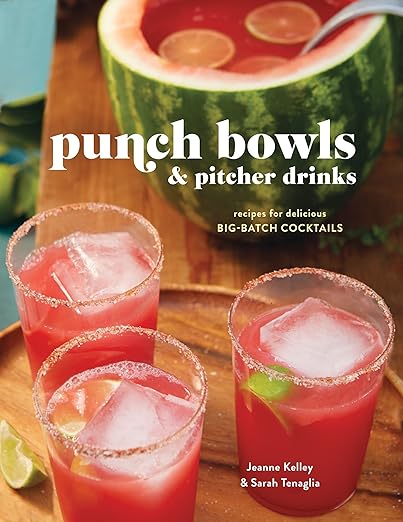
Make some punch and make a toast! Thousands of punch recipes make the beverage versatile and easy to make. Check recipe books and online. Be sure to share your favorites, too! Use #NationalPunchDay to post on social media.
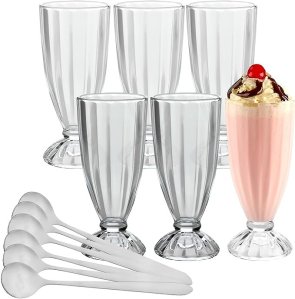
National Chocolate Milkshake Day on September 12th brings chocolate and ice cream lovers together. Forget the calories for just this one day and enjoy a sweet tall, thick and delicious, chocolate milkshake!
The term milkshake first appeared in print in 1885. During this period, milkshake referred to an alcoholic beverage described as a “sturdy, healthful eggnog type of drink” blended with eggs, whiskey, and other ingredients. Pharmacies served the drink as a tonic and a treat to customers. By 1900, pharmacies offered this “wholesome drink” with either chocolate, strawberry, or vanilla syrup.
The early 1900s – People began asking for this “new treat” with a scoop of ice cream.
1911 – Hamilton Beach’s drink mixers began to be used at soda fountains.
1922 – Steven Poplawski invented the electric blender or drink mixer.
Due to the invention of the blender, the milkshake began to take a chipped, aerated, and frothy form as they are today.
By the 1920s & 1930s, milkshakes became a popular drink at malt shops everywhere.
Another addition to the milkshake was malted milk powder. Made from malted barley, wheat flour, and dehydrated whole milk, malted milk tastes a bit like toasted caramel. It made its debut around the 1870s as a shelf-stable dry milk product. Add the powder to a chocolate milkshake, and transform the creamy goodness into a malted chocolate milkshake. Along with milkshakes, malted milk milkshakes became popular drinks at soda fountains around the 1920s.
Enjoy a chocolate milkshake at your favorite restaurant or soda fountain. Or try a malted version, especially if you’ve never had a malted chocolate milkshake. It is definitely worth a try. You may want to top off your chocolate milkshake with a dollop of whipped cream! While you’re enjoying this sweet treat, don’t forget to introduce this delicious pasttime to someone else.
Do you have a favorite malt shop? Be sure to give them a shout out, too! Use #ChocolateMilkshakeDay to post on social media.
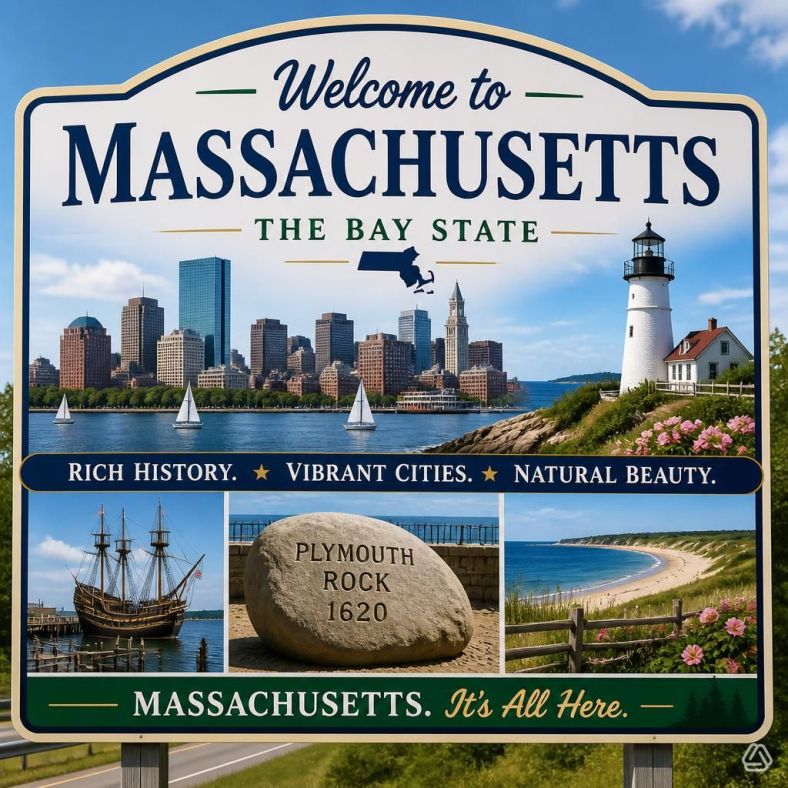
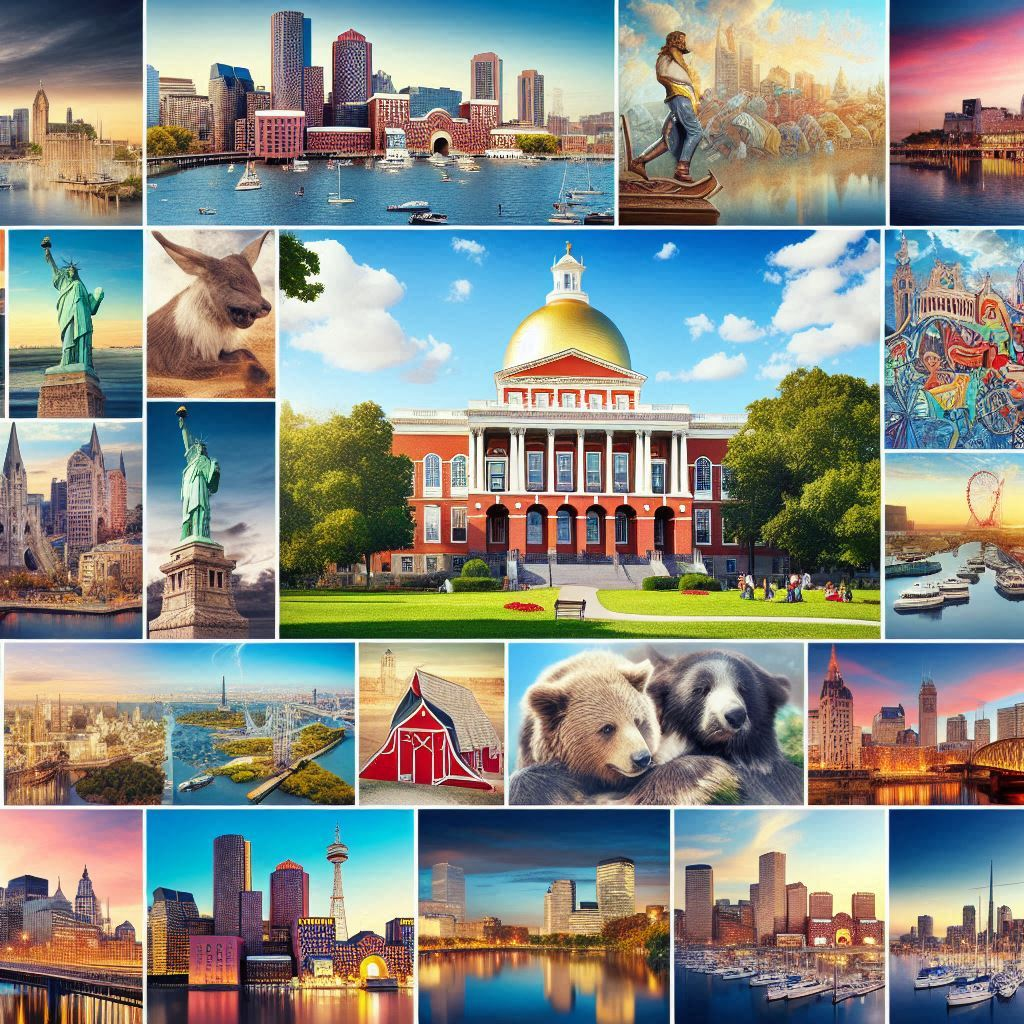
National Massachusetts Day on August 17th recognizes the first New England colony and the sixth state to join the Union. Named after the indigenous people who populated the area when explorers (and later the pilgrims) first arrived, Massachusetts became an incubator for independence, education, and industry.
Cradle of Liberty
It should come as no surprise that the state earned the name of Cradle of Liberty. After all, Massachusetts hosted the founding of the Sons of Liberty and the Boston Tea Party. The list of notable names from history grows long from Massachusetts. Of course, their stories and the historic events leading up to the founding of a country make for fascinating tales.
Patriots come to mind first, but don’t stop there! Poets, inventors, authors, politicians, architects, activists, athletes and those who have managed the amazing. It’s much too long for these pages. So, we encourage you to explore them further during National Massachusetts Day!
With her numerous bays and abundant shorelines, Massachusetts offers many seaside escapes. Discover mountain exploration inland, and for those who seek urban adventure, encounter adventures there, too. Everywhere you go, there’s history, beauty, and perhaps a bit of an adjustment to the New England language. Either way, dive into the food, the past and the future of Massachusetts.
During National Massachusetts Day, explore all the adventures, history and more the state has to offer. Share your favorites by using #NationalMassachusettsDay on social media.
We’ll start with the obvious when the topic of Massachusetts food comes to the table: Boston Cream Pie. What other states would this layered, hot milk cake hail from? Well, to be specific, it was created in 1856 in the kitchen of the Omni Parker House Hotel in Boston and is still made there today.
Next, we turn to the salty sweet combination of Fluffernutter. A blended combination of marshmallow fluff and peanut butter, Fluffernutter became a household name in New England in the 1960s.
On July 3, 1916, Lawrence and Bessie Woodman fried the first clam at their roadside concession stand in Essex, Massachusetts. The rest, as they say, is history. Massachusetts has been in love ever since. Speaking of clams, don’t forget the chowder.
For those who like a less fishy flavor of the sea, cod is the way to go. Massachusetts celebrates the Sacred Cod. A notable cape is named after it. Also, it’s their state fish.
Finally, and tastefully, Massachusetts is one of five states known to grow cranberries. It’s their state berry and juice, too! Of course, each state has a wide list of favorite combinations of flavors. Share with us your Massachusetts favorites!
Massachusetts State Symbolism
State Capital – Boston State Nickname – The Bay State State Motto – Ense petit placidam sub libertate quietem State Bird – Black – Capped Chickodee State Flower – Mayflower State Animal – State Folk Dance – Square Dance State Fish – Cod State Dessert – Boston Cream Pie State Fossil – Dinosaur Tracks State Mineral – Babingtonite State Tree – American Elm State Song – All Hail to Massachusetts State Gemstone – Rhodonite State Folk Hero – Johnny Appleseed State Heroine – Deborah Samson Shurtleff State Insect – Ladybug
Notable People
Squanto- Native American Guide – (c.1585 – November 1622)
Join National Rum Day on August 16th as blended beverages and cocktails create a delicious celebration. Rum is a distilled clear alcoholic beverage which is a byproduct of sugar production. It can also be made directly from sugar cane juice. After the fermentation and distillation process, most rum ages in wooden oak barrels.
RUM FACT: In 1764, the British Crown placed a tax on sugar, molasses and rum on the American colonies. This tax was called The Sugar Act of 1764. It was instrumental in the unrest that finally became the American Revolution.
Rum is the third most popular spirit in the United States. Only vodka and all the whiskeys combined beat it for first and second-rankings. The spirit finds its way into citrusy mixed drinks, and cool blended summer cocktails. So much so, that rum stirs up images of sandy beaches and brightly colored umbrellas in fruity drinks.
However, rum also conjures up sailors and pirates. The reason for that is how rum came to be. In the West Indies during the 1600s, large plantations grew sugar cane. When they extracted the sugar, they created a by-product called molasses. For years, the molasses was a waste product until it was discovered it could be distilled – into rum. Then, rum became not only a commodity for trade but also a ration on the ships delivering the product. Even in the modern Royal Navy, British sailors received an allotment of rum until 1970.
There are many ways to enjoy rum. On a hot summer day, a great way to celebrate is with this recipe for a Strawberry Pineapple Cooler. Use #NationalRumDay to post on social media. Remember always to drink responsibly and never to drink and drive
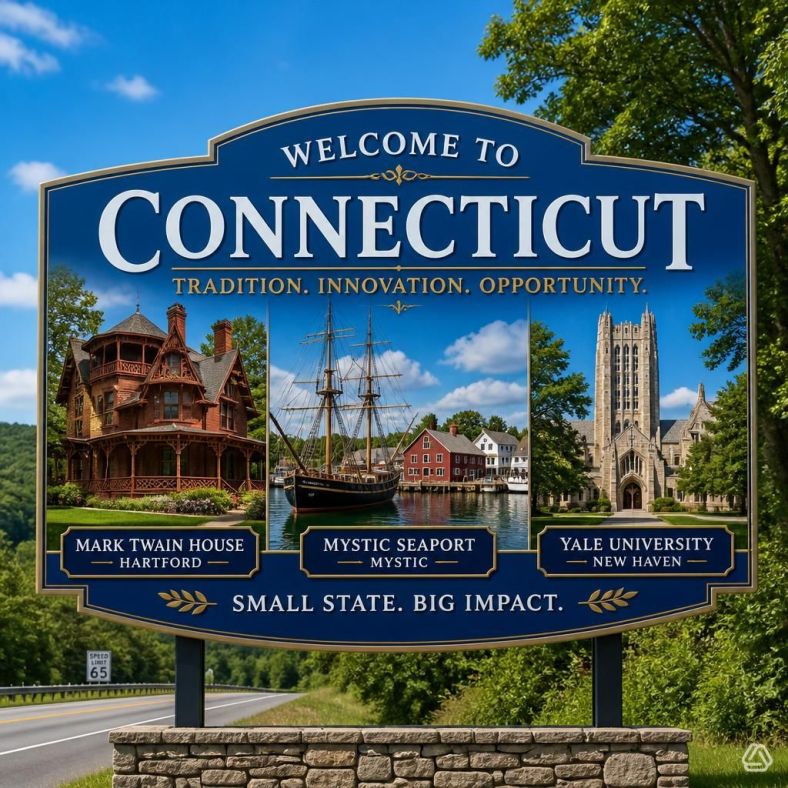
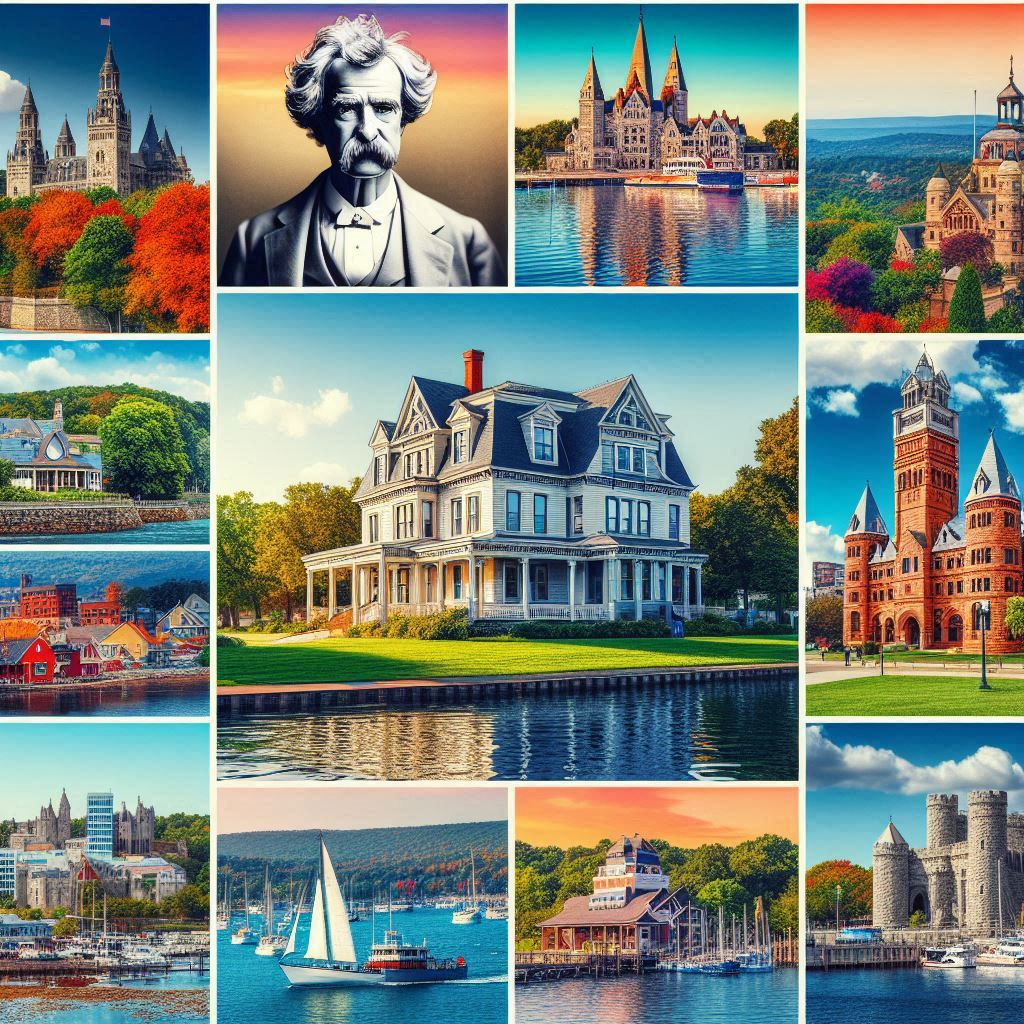
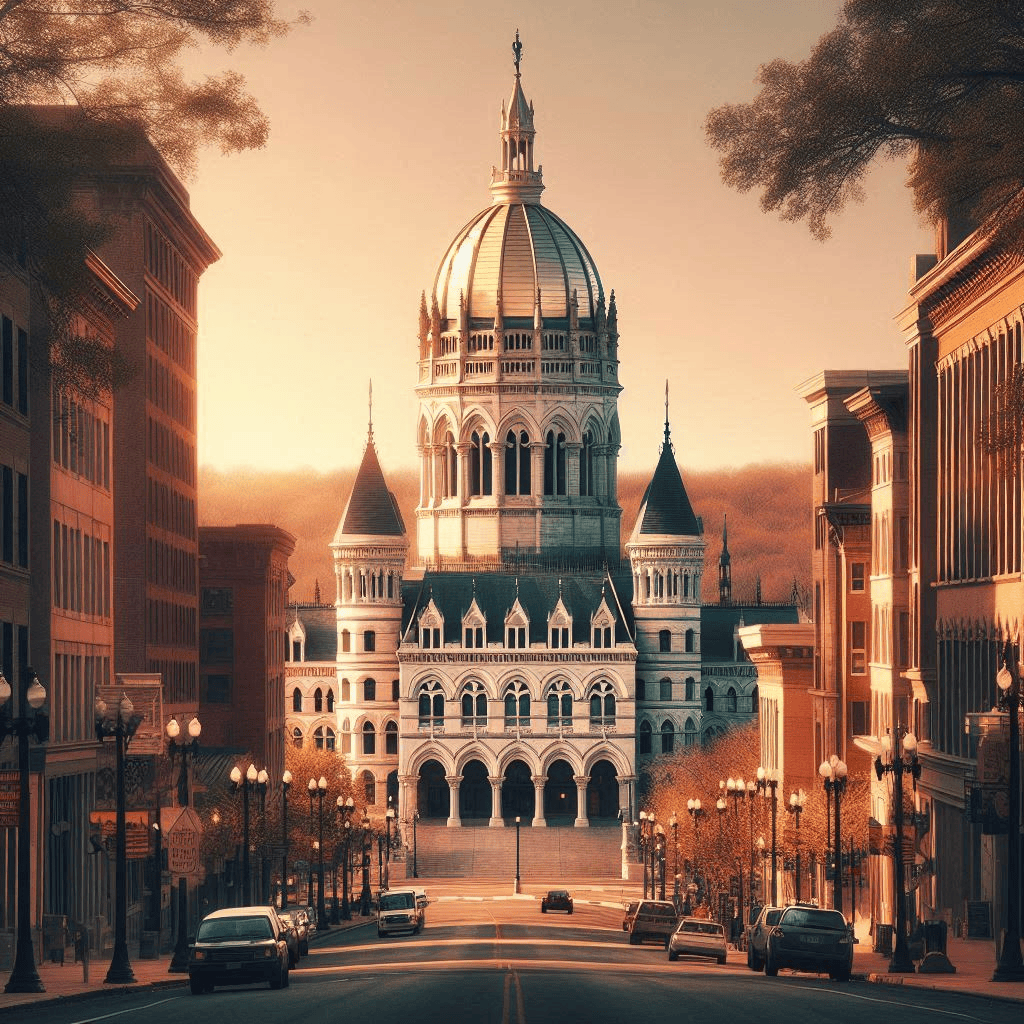
Woven into the fabric of this state’s historic landscape, we find revolutionaries, innovators, and philosophers. On August 10th, National Connecticut Day recognizes the contributions of the fifth state to join the United States of America.
Like other colonies of the region, the Dutch first explored and founded trading posts in Connecticut. In 1633, Puritans from Massachusetts established the first permanent settlement. From the outset, the industry established a means to prosperity in the colony. Production of brass buttons and munitions placed the colony in a position to later supply the Revolutionary Army. The colonial governor of Connecticut, Jonathan Trumbull, was the only governor who supported independence.
All three Connecticut delegates to the first Continental Congress continued their representation of the colony at the Second Congress and signed the Declaration of Independence.
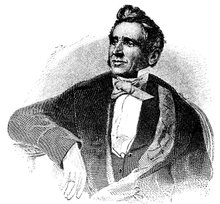
In fact, Roger Sherman is the only person to have signed the Continental Association, the Declaration of Independence, the Articles of Confederation, and the United States Constitution. Eliphalet Dyer served the state of Connecticut as chief justice after the revolution.
Silas Deane served as a spy during the war and was for a time branded a traitor along with another Connecticut native, Benedict Arnold. He died penniless, but decades later in 1840, his granddaughter would petition Congress to review his records. His name would be cleared.
Connecticut’s small but full landscape holds countless revolutionary stories and adventures along New England’s National Scenic Trail. Through every season and every era, there’s something for every generation to enjoy!
HOW TO OBSERVE #NationalConnecticutDay
Explore all the adventures Connecticut has to offer and share your favorites by using #NationalConnecticutDay on social media.




















![The Philadelphia Story (The Criterion Collection) [Blu-ray]
Cary Grant (Actor), Katharine Hepburn (Actor), & 1 more](https://jensperspectiveblog.com/wp-content/uploads/2020/08/51qhvizu5ul7473807544552317844.jpg?w=129)