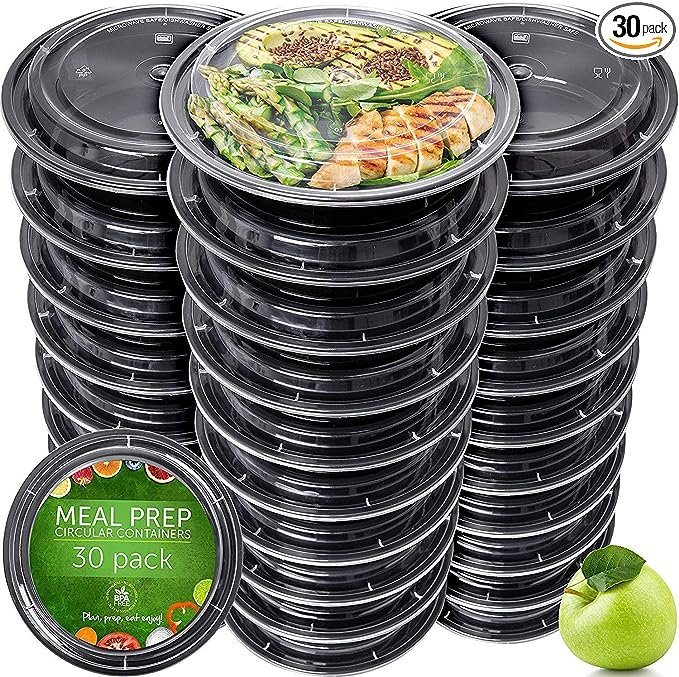
National TV Dinner Day is observed annually on September 10th. In 1953, C.A. Swanson & Sons changed the prepackaged meal business forever. Introducing the TV Dinner revolutionized frozen food.
In 1962, Swanson stopped using the name TV Dinner. However, in the United States, the term remains synonymous with any prepackaged dinner purchased frozen from a store and heated at home.
The first Swanson TV Dinner consisted of a Thanksgiving meal of turkey, cornbread dressing, peas, and sweet potatoes. Originally, Swansons made the tray of aluminum. They separated each food item into individual compartments, too. At home, the cook heated the dinner in the oven. The cooking time was usually 25 minutes. Today, nearly all frozen food trays can be cooked in the microwave or a conventional oven.
When Swanson’s first sold TV dinners, they priced them at 98 cents. In the first year, production estimates reached 5,000 dinners. To their surprise, Swanson far exceeded that amount. In the first year, they sold more than 10 million of them.
TV Dinner Facts
1960 – Swanson added desserts to a new four-compartment tray.
1964 – Night Hawk name originated from the Night Hawk steak houses that operated in Austin, Texas, from 1939 through 1994. The original diners were open all night, catering to the late-night crowd. The restaurants produced the first frozen Night Hawk TV dinner in 1964.
1969 – The first TV breakfasts were marketed. Great Starts Breakfasts and breakfast sandwiches followed later.
1973 – Swanson markets the first Hungry-Man dinners. The meals included larger portions of its regular dinner products.
1986 – Microwave-oven safe trays debut on the market.
1986 – The Smithsonian Institute inducted the original Swanson TV Dinner tray into the Museum of American History.
Much has changed since the original TV Dinner. They also remain a popular choice for a fast and convenient meal, fun to eat in front of the TV!
Looking for something to watch? Check out some of my favorites here.
HOW TO OBSERVE #NationalTVDinnerDay
Get out a TV dinner, pop it in the microwave or oven, and enjoy! Use #NationalTVDinnerDay to post on social media.
National Acorn Squash Day is observed annually on September 7th. The day celebrates winter squash that is also known to some as a pepper squash.
Even though it is considered a winter squash, acorn squash belongs to the same species as all summer squashes including zucchini and yellow crookneck squash.
The most common variety comes in a mostly green outer shell, often with a splotch of orange on its side or top. However, varieties, including the Golden Acorn and the White Acorn, offer gardeners and cooks options. This versatile squash also grows in variegated color.
The acorn squash resembles its name in shape, an acorn. They usually weigh between one to two pounds and generally grow between four and seven inches long. This hardy squash also keeps for several months, making it a great item to store for yumminess all winter long. Just be sure to store it in a cool, dry location.
Since acorn squash is versatile, it can be baked, microwaved, sautéed, or steamed. Some cooks like to stuff it with rice, meat, cheeses, or vegetable mixtures. You can also toast the seeds of the acorn squash much like pumpkin seeds.
Nutritionally, the acorn squash offers a good source of dietary fiber and potassium. It also has some vitamin C and B, magnesium and manganese.
Explore More…
Acorn Squash Day
National Pumpkin Day
National Zucchini Day aka Sneak Some Zucchini on your Neighbors Pourch
Visit your favorite farmer’s market. You can also drive out to a pick your own farm. Once you’ve collected your squash, share your recipes or growing tips. Try acorn squash in soup or broil it. Experiment with the flavors as you fill your plate with this colorful garden vegetable. Whatever you do to celebrate, be sure to share it with others. Use #AcornSquashDay to post on social media.
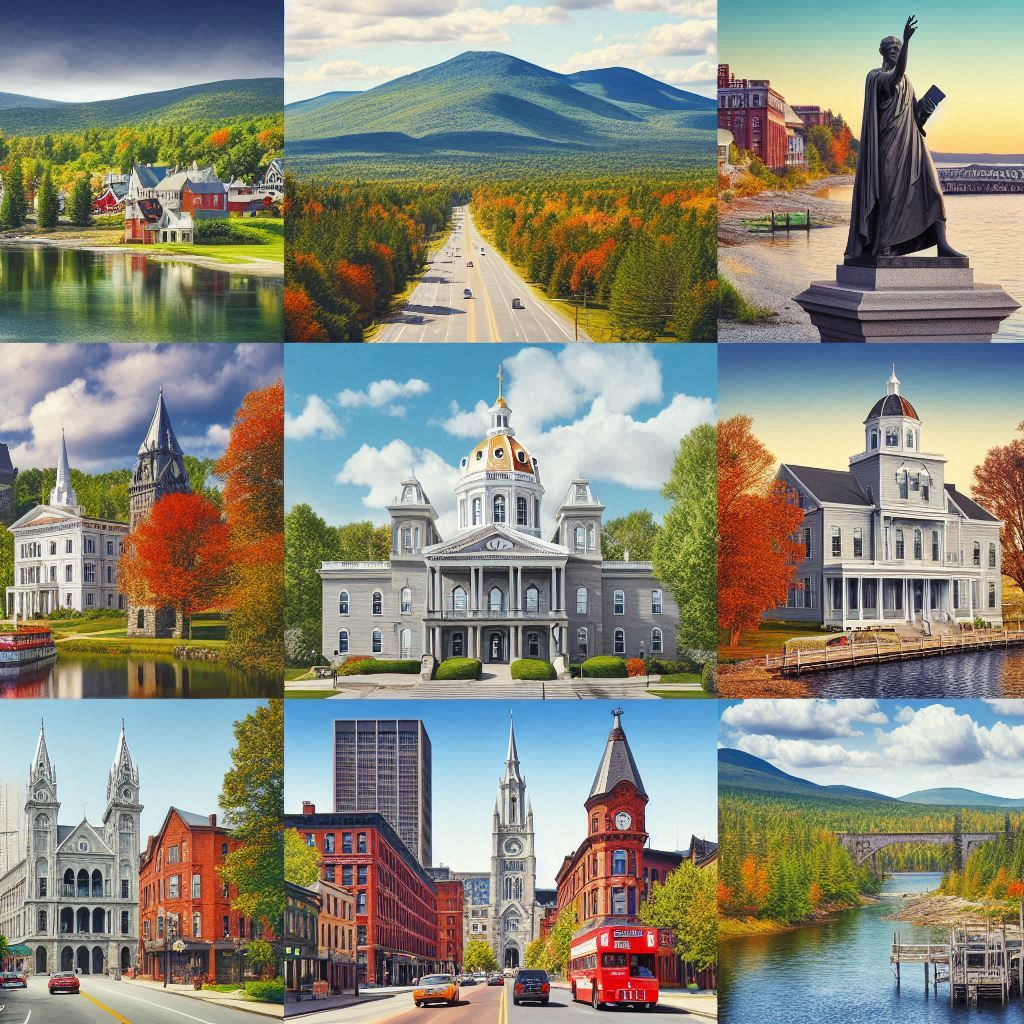
National New Hampshire Day on September 7th recognizes the 9th state to join the Union. The Granite State epitomizes New England in many ways. From its breathtaking landscapes to its fascinating history and people.
State Symbols
State Capital – Concord State Nickname – The Granite State State Motto – Live free or die State Bird – Purple Finch State Flower – Purple lilac State Animal – White – tailed deer State Folk Dance – State Fish – Brook Trout State Dessert – State Fossil – State Mineral- Beryl State Tree – White Birch State Fruit – Pumpkin State Song – State Gemstone – Smokey Quartz State Rock – Granite State Insect – Ladybug
Quotable Quotes
If you’ve ever wondered where the phrase “not yet begun to fight” originated, just look to one of New Hampshire’s notable naval officers, John Paul Jones.
“Live Free or Die” is the state’s motto. Another revoluationary hero, John Stark earns the credit for it. In a written toast in honor of the anniversary of the Battle of Bennington, Stark’s full quote reads: “Live free or die, death is not the greatest of evils.” While he may not be the first to share the sentiment to live free or die, his toast summed up the country’s dedication to independence.
Settlers
New Hampshire’s history holds more than noble quotes. Many firsts fill its timeline. In 1719, Scotch-Irish settlers brought the first potatoes to North America. The settlers planted them in the settlement of Nutfield, now known as Londonderry.
Before Paul Revere had his famous ride, he first made another all-important journey. In 1774, Revere rode the 55 miles from Boston to Portsmouth to warn the citizens of an impending seizure of Fort William and Mary. The village stormed the fort and took control of the ammunitions before the British arrived.
Politics and More
New Hampshire became the first state to established an independent government. The state also created the first written constitution.
In 1828, when ownership changed hands at the Cocheco Manufacturing Company, the new owner reduced the wages of only the femail textile mill workers. On top of already difficult work and long days, the owners placed even stricter requirements on its employees. Frustated, on December 30th, about 400 of the female workers walked out. It became the nation’s first all female strike. The strike failed and resulted in many of the striking workers returning to work at even lower wages.
The state also holds its primaries before any other state. Early on during election time, the country focuses its attention on New Hampshire. Another phrase often attributed to New Hampshire: “As New Hampshire goes, so goes the nation.”
Known for its fall foliage, New Hampshire’s impressive colors bring visitors every autumn. From mountains to the seaside, the state offers year-round adventure.
HOW TO OBSERVE #NationalNewHampshireDay
Celebrate New Hampshire’s historic places, panoramic scenery and captivating personalities. Explore all New Hampshire offers! Use #NationalNewHampshireDay to share on social media.
NEW HAMPSHIRE FLAVOR
With apples as the leading fruit crop in the state, it should be no surprise that the people of New Hampshire specialize in baking and cooking with them. That includes their cider donuts! Not that anyone would refuse a donut, but these taste like fall!
Apple Cider, whether spiked or not, is a special treat in New Hampshire. A hot mug of autumn’s spiced orchard produce will warm you right up!
If you need a stronger drink to warm the cockles of your heart, try New Hampshire’s honey mead which is often fermented with the season’s fresh fruits. Also called honey wine, mead may be the world’s oldest alcoholic beverage.
Being a coastal state, seafood like lobster is a top choice but don’t over look fresh water favorites like fried lake bass. With the mountain hikes to take in all the scenery in New Hampshire, it’s easy to work up an appetite to sample all this goodness!
Notable People
John Langdon – Patriot – (June 26, 1741 – September 18, 1819)
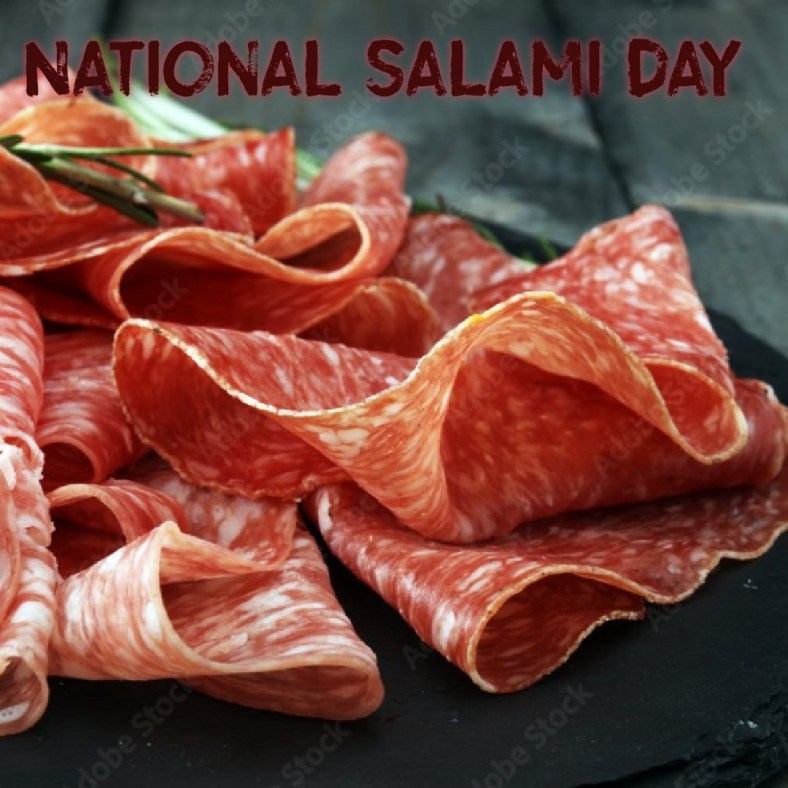
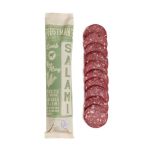
National Salami Dayu on September 7th recognizes a cured meat many people enjoy every day. Salami are cured, fermented, and air-dried sausages that find their way to our delis and butcher shops in delicious variety.
Most commonly made with pork, makers use other meats and blends when preparing salami. For example, delis may offer a lamb, duck, or a beef and pork blend. The ground sausage is blended with seasonings and salt air-cured in either a pork or beef casing. Methods and recipes vary by region and country. Even aging time varies. However, makers typically age salami between 30 to 90 days or longer.
While salami’s beginnings are uncertain, the Romans may have introduced methods used today. In days before refrigeration, Salamis were historically popular among Southern European peasants. The sausage keeps well once cut when stored at room temperatures for up to 30 to 40 days.
Two salamis that might be familiar to you are Genoa and Hard Salami. Genoa salami ages with red wine, peppercorns, and garlic. This softer salami offers a fermented flavor. In contrast, Hard Salami not only falls into the cured category but makers also dry and smoke the meat. The resulting salami slices easily.
NATIONAL SALAMI DAY HISTORY
The Salami Appreciation Society in Henrico, Virginia created National Salami Day in 2006.
HOW TO OBSERVE #NationalSalamiDay
Enjoy salami in a variety of ways. Don’t just stop at a sandwich. The flavor pairs well with a variety of cheeses and pasta sauces. In a cold pasta dish, salami becomes the star. Don’t forget, Italy gave us this Italian original, even if it’s made worldwide.
Dice up salami and add it to a salad. Whatever bounty harvested from your garden will benefit from the flavor of salami. Just don’t add any additional salt. Most of the seasoning will come from the salomi.
Get yourself a few slices of salami and use #NationalSalamiDay to post on social media.
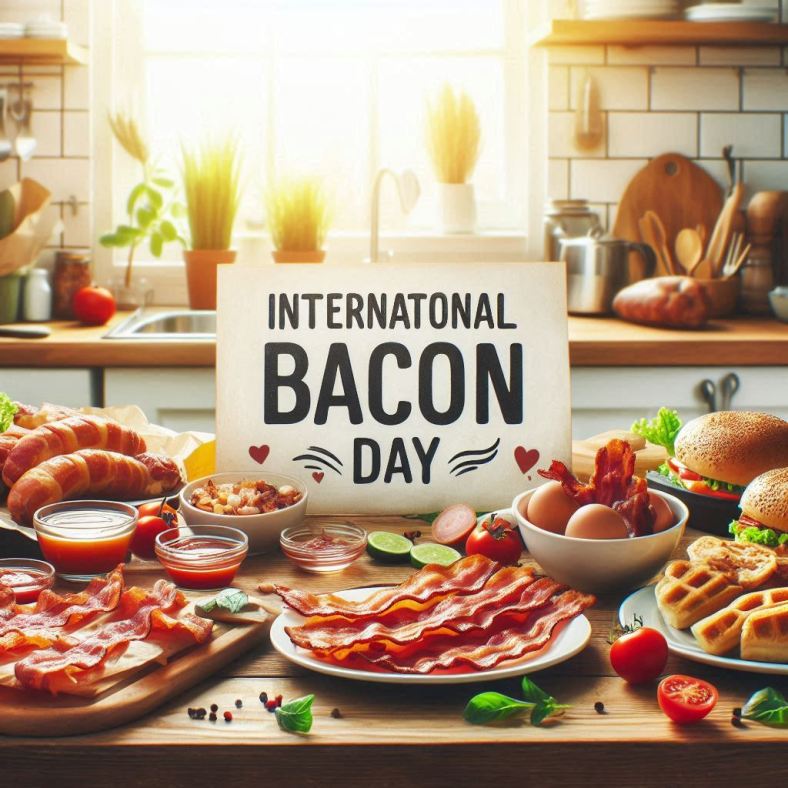
The first Saturday in September is International Bacon Day and a day to enjoy all things bacon! This delicious food holiday is a favorite because bacon makes everything better!
There are so many things we can say about bacon and the flavor it adds to dishes. Today, we are reminding everyone that bacon is not just a breakfast food, but also a great way to add delicious flavor to any recipe.
Bacon Backstory
Bacon is pork cured in salt made from cuts of the belly or back of a pig. Curing pork dates back thousands of years. During ancient times, Chinese, Egyptian, and Roman cultures all had methods for preserving pork. However, Romans recieve credit for sharing their knowledge of curing pork calling their bacon “petaso.” As cured pork expanded throughout Europe, the meat became a staple to families because of the ability to preserve it easily.
European settlers brought their pork curing techniques to America the same time the first settlers arrived. However, the meat was much saltier and leaner than what they would eat in Europe. During the 19th and 20th centuries, meat production began to expand to the general public. Brining and smoking bacon became widely acceptable in mass production, making the distribution of bacon much easier. Today, bacon plays a significant roll in American cuisine.
Bacon is one of the most popular and recognizable meat products around the world and is known for its distinctive savory and smoky flavor.
Are there different types of bacon? Yes! Here the 4 common types of bacon throughout the world:
American bacon is the most well-known bacon type. It’s made from pork belly and contains both meat and fat. This type of bacon becomes crispy after cooking.
Canadian bacon is made from the lean parts of the pig. Normally, Canadian bacon is similar to ham in flavor and appearance.
Pancetta is an Italian bacon made with salt and spices that can be eaten cooked or uncooked. People often use pancetta in sandwiches, but also in some dishes.
Guanciale is another Italian bacon commonly used in carbonara and amatriciana. This type of bacon is the fattiest of all other bacon types and is probably most flavorful.
Bacon adds rich flavor and versatility to cooking by enhancing the dishes it is added to. Whether enjoyed on its own, as a savory ingredient, or as a guilty pleasure, bacon remains a favorite food around the globe.
HISTORY BEHIND INTERNATIONAL BACON DAY
Each year on the first Saturday in September we celebrate International Bacon Day as a way to indulge and enjoy bacon. We plan on starting our day with bacon and eggs, have a bacon sandwich for a mid morning snack, and eat a BLT for lunch. Then, we will likely eat a bacon-inspired pasta for dinner with a bacon infused dessert. Later in the evening, we are going to relax with a nice Bloody Mary with bacon garnish.
International Bacon Day is a time to savor the delight of delicious bacon! Embrace your joy for bacon today by having fun with today’s food holiday.
Host a bacon-everything breakfast by adding bacon to your eggs, pancakes, or omelets. You can also make breakfast burritos or add bacon to your waffle batter.
Experiment with bacon in a new recipe or add it to a favorite one you already make.
Cook different types of bacon and have a bacon tasting party with your family and friends. We recommend adding Applewood -smoked, maple-glazed, or peppered flavor to your menu.
Create the ultimate beverages by adding bacon and other ingredients. In fact, we hear adding bacon as a garnish to a Bloody Mary is delicious!
Find a local bakery or specialty bacon shop that offers a variety of bacon flavors. This might be a great way to treat yourself to a better quality bacon versus buying bacon in the grocery store.
Share your love for bacon on social media using the tag #InternationalBaconDay.







![Ez Prepa [20 Pack] 32oz 3 Compartment Meal Prep Containers with Lids - Bento Box - Plastic - Stackable, Reusable, Microwaveable & Dishwasher Safe](https://jensperspectiveblog.com/wp-content/uploads/2023/09/71jmvnrm2cl4476199759471769798.jpg?w=286)