
🦋 Welcome to Jen’s world
Small Moments…
Big Joys
Travel · Food · Home · Health · Heart
A lifestyle blog by a disabled woman with a unique perspective — finding beauty in lavender mornings, mountain views, butterflies, and the quiet joy of a warm mug by the window.
Explore by Theme

🦋 Travel
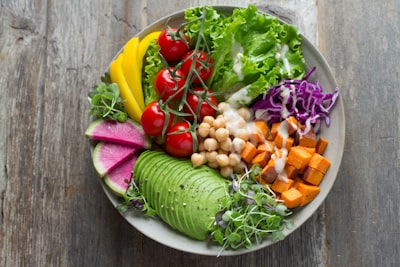
🦋 Recipes
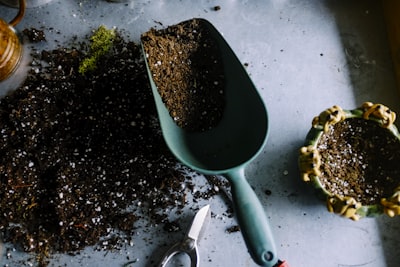
🦋 Home & Garden

🦋 Fashion & Style

🦋 Healthy Living
🦋
Stay Connected
Get the latest posts, recipes, travel tips and more delivered to your inbox!
Latest from the Blog
-
 accolade, Adopt, adults, Amazon, Amazon Prime, America, appreciation, autumn, awareness, blog, books, Brands, brothers and sisters, Celebration of Life, characters, community, companion, convention, Discovery, donations, empower, encourage, explore, exploring history, fall, freedom, friends, friendship, gifts, giving, goals, health, health issues, heritage, Heroes, history, Holiday, hugs, inspiration, inspire, lifestyle, medical, memories, monthly observations, October, outdoors, Positivity, read, remember, remembrance, Retailers, self care, share, sisters, Spring, story, summer, technology, Trivia, United States of America, winter, women
METASTATIC BREAST CANCER AWARENESS DAY
On October 13th, National Metastatic Breast Cancer Awareness Day focuses on the estimated 271,270 Americans diagnosed with this…
-
 accolade, Adopt, adults, agenda, Amazon, Amazon Prime, America, Anti-bullying, appreciation, authors, autumn, awareness, back to school, baseball, basket ball, beach, bibliophile, big game, biking, blog, books, brothers and sisters, causes, Celebration of Life, celebrity, characters, children, chinese, college, college dorm, comfort, community, companion, culture, Discovery, educate, empower, encourage, environment, equality, everyday, explore, exploring history, fall, family, football, formal, freedom, friends, friendship, Geek, german American, goals, Google, graduate, gratitude, Greek, habits, health, healthy, Heroes, Hispanic American, history, independence, inspiration, inspire, instagram, irish, Italian-American, jamaican, Japanese, Jewish American, Korean American, learn, lifestyle, memories, men, mental health, monthly observations, movies, native American, near me, nurture, October, peace of mind, Philippines, phone a friend, Pintrest, podcasts, population, read, relax, remedy, remember, reminders, responsibility, responsible, safety, school, Scottish-American, security, self care, share, smile, social media, sports, States, story, strategy, summer, swimming pool, tailgate, teach, teen, teenager, teens, travel, Trivia, Uncategorized, United States of America, winter, women, work, work outs, World, young adults
NATIONAL BULLYING PREVENTION MONTH
National Bullying Prevention Month in October reminds us of the harm bullying does. It’s always important to talk…
-
 Adopt, adoption, adults, Alexa, Amazon, Amazon Prime, America, art, autumn, awareness, back to school, baseball, basket ball, beach, bibliophile, biking, blog, board game, books, brothers and sisters, causes, Celebration of Life, characters, children, chinese, college, comfort, community, companion, credit, Discovery, ebook, ecards, educate, emergency preparedness, empower, encourage, environment, everyday, exercise, explore, exploring history, fall, family, family time, football, freedom, friends, friendship, funny, games, german American, giving, goals, Google, Greek, habits, health, health issues, healthy, high school, Hispanic American, history, homework, household, instagram, international, iPhone, ipod, irish, Italian-American, jamaican, Japanese, Jewish American, Kindergarten, kitchen, Korean American, laugh, learn, library, lifestyle, manners, medical, meditation, memories, men, mental health, monthly observations, movies, native American, nurture, October, organization, peace of mind, Philippines, Pintrest, podcasts, population, Positivity, productivity, puzzle, read, remember, reminders, responsible, ritual, school, Scottish-American, security, share, smart tv, smart watch, social media, spelling, sports, Spring, story, strategy, summer, teach, technology, travel, Trivia, United States of America, Unplugging, vacation, volunteers, website, wine, winter, women
NATIONAL ADD/ADHD AWARENESS MONTH
In October, National ADD/ADHD Awareness Month presents opportunities to eliminate the myths and share the facts about Attention…
-
 accolade, Adopt, adults, affirmations, agenda, Amazon, Amazon Music, Amazon Prime, America, an app for that, appreciation, arts, Athletic, autumn, Video Games, baby, back to school, bakery, baking, ballroom dance, banking, barbeques, baseball, basket ball, beach, bibliophile, big game, biking, bird watching, birthday, blog, books, Brands, brothers and sisters, brunch, calander, causes, Celebration of Life, characters, charity, cheer, children, chinese, Christmas, Cinco de Mayo, classics, cleaning, Collectables, college, comedy, comfort, community, competition, computers, contest, cooking, cozy, dance, date night, delivery, desserts, Diets, dinner, discount, Discovery, disney, dog, donations, driving directions, earth day, Easter, ebook, ecards, eco-friendly, educate, email, empower, encourage, entertaining, everyday, explore, exploring history, fall, family, family time, farmers market, Finance, fishing, flight, flower, food, food orders, football, foster care, freedom, friends, friendship, gamble, games, garden, Geek, german American, gifts, giving, goals, golf, Google, gratitude, Greek, habits, handwriting, handwritten, health, healthy, high school, Hispanic American, history, hobby, home, Homemade, homework, Honor, hosting, hugs, inspiration, inspire, instagram, irish, Italian-American, jamaican, Japanese, Jewish American, kitchen, knitting, Korean American, latin, laugh, learn, letter writing, library, lifestyle, love, meditation, memories, men, mental health, mentor, monthly observations, movies, music, native American, news, nurture, office, outdoors, pantry, party, patriotic, Peace, peace of mind, Philippines, piano, Pintrest, population, Positivity, productivity, read, relax, remedy, remember, reminders, Retailers, ritual, Road Trip, romance, save money, school, scientist, Scottish-American, search, season, security, self care, share, shopping, smile, social media, sports, Spring, star gazing, stars, States, story, strategy, summer, teach, technology, travel, Trivia, United States of America, universe, Unplugging, vacation, Veteran, volunteers, wedding, wine, winter, women, work, Work from home, work outs, World, write, writting, yoga, young adults
POSITIVE ATTITUDE MONTH
Positive Attitude Month is an annual designation observed in October. A positive attitude is the best trait you…
-
 accolade, adults, agenda, Amazon, Amazon Prime, America, Appliance, appreciation, art, autumn, baking, barbeques, bath, bath tub, bathroom, beauty, beverage, big game, blog, bluetooth, Brands, breakfast, brothers and sisters, brunch, calander, candle, casserole, Celebration of Life, characters, children, chinese, Christmas, classics, cleaning, coastal, cocktail, coffee, Collectables, comfort, community, cooking, cozy, crafts, Diets, dinner, Discovery, electronics, emergency preparedness, empower, encourage, entertaining, everyday, explore, exploring history, fall, family, family time, flavor, food, freedom, fresh flowers, friends, friendship, fruit, fudge, fun, games, Geek, german American, goals, Google, gratitude, Greek, grocery shopping, gulf coast, herbs and spices, Hispanic American, history, Holiday, home, home decor, home renovation, hosting, household, inspiration, inspire, instagram, irish, Italian-American, Japanese, Jewish American, kitchen, Korean American, laugh, learn, library, lifestyle, luxury, memories, men, monthly observations, movies, native American, nurture, October, organization, pantry, party, pasta, peaches, peanut butter, Philippines, photography, Pintrest, Positivity, potatoes, productivity, radio, read, Recipes, recycle, refrigerator, reminders, remodel, remodeling, Retailers, ritual, safety, Samsung, save money, Scottish-American, season, security, self care, seniors, September, share, smart glasses, smart tv, smart watch, smoothie, snack, social media, spices, Spring, States, strategy, summer, technology, travel, Trivia, United States of America, Vintage, wine, winter, women
NATIONAL KITCHEN and BATH MONTH
My Dream House National Kitchen & Bath Month is an annual designation observed in October. This month, have…