

INTERNATIONAL BACON DAY

The first Saturday in September is International Bacon Day and a day to enjoy all things bacon! This delicious food holiday is a favorite because bacon makes everything better!

There are so many things we can say about bacon and the flavor it adds to dishes. Today, we are reminding everyone that bacon is not just a breakfast food, but also a great way to add delicious flavor to any recipe.

Bacon Backstory

Bacon is pork cured in salt made from cuts of the belly or back of a pig. Curing pork dates back thousands of years. During ancient times, Chinese, Egyptian, and Roman cultures all had methods for preserving pork. However, Romans recieve credit for sharing their knowledge of curing pork calling their bacon “petaso.” As cured pork expanded throughout Europe, the meat became a staple to families because of the ability to preserve it easily.

European settlers brought their pork curing techniques to America the same time the first settlers arrived. However, the meat was much saltier and leaner than what they would eat in Europe. During the 19th and 20th centuries, meat production began to expand to the general public. Brining and smoking bacon became widely acceptable in mass production, making the distribution of bacon much easier. Today, bacon plays a significant roll in American cuisine.

5 Bacon Festivals in the U.S.

  1. Bacon Fest, Pennsylvania
  2. Bourbon and Brews Festival, Kansas
  3. Bacon & Beer Festival, New Hampshire
  4. Bacon Bash, Texas
  5. Memphis Flyer Bacon & Bourbon, Tennessee

Did You Know?

Bacon is one of the most popular and recognizable meat products around the world and is known for its distinctive savory and smoky flavor.

Are there different types of bacon? Yes! Here the 4 common types of bacon throughout the world:

  1. American bacon is the most well-known bacon type. It’s made from pork belly and contains both meat and fat. This type of bacon becomes crispy after cooking.
  2. Canadian bacon is made from the lean parts of the pig. Normally, Canadian bacon is similar to ham in flavor and appearance.
  3. Pancetta is an Italian bacon made with salt and spices that can be eaten cooked or uncooked. People often use pancetta in sandwiches, but also in some dishes.
  4. Guanciale is another Italian bacon commonly used in carbonara and amatriciana. This type of bacon is the fattiest of all other bacon types and is probably most flavorful.

Bacon adds rich flavor and versatility to cooking by enhancing the dishes it is added to. Whether enjoyed on its own, as a savory ingredient, or as a guilty pleasure, bacon remains a favorite food around the globe.

HISTORY BEHIND INTERNATIONAL BACON DAY

Each year on the first Saturday in September we celebrate International Bacon Day as a way to indulge and enjoy bacon. We plan on starting our day with bacon and eggs, have a bacon sandwich for a mid morning snack, and eat a BLT for lunch. Then, we will likely eat a bacon-inspired pasta for dinner with a bacon infused dessert. Later in the evening, we are going to relax with a nice Bloody Mary with bacon garnish.

Explore More…

Salami Day

Bologna Day

Corned Beef Hash Day

Cold Cuts Day

International Bacon Day

Wiener Schnitzel Day

Sloppy Joe Day

National Sausage Month

National Meatball Day

Bacon Day

Pigs in a Blanket Day

6 INTERNATIONAL BACON DAY CELEBRATION IDEAS

International Bacon Day is a time to savor the delight of delicious bacon! Embrace your joy for bacon today by having fun with today’s food holiday.

  1. Host a bacon-everything breakfast by adding bacon to your eggs, pancakes, or omelets. You can also make breakfast burritos or add bacon to your waffle batter.
  2. Experiment with bacon in a new recipe or add it to a favorite one you already make.
  3. Cook different types of bacon and have a bacon tasting party with your family and friends. We recommend adding Applewood -smoked, maple-glazed, or peppered flavor to your menu.
  4. Create the ultimate beverages by adding bacon and other ingredients. In fact, we hear adding bacon as a garnish to a Bloody Mary is delicious!
  5. Find a local bakery or specialty bacon shop that offers a variety of bacon flavors. This might be a great way to treat yourself to a better quality bacon versus buying bacon in the grocery store.
  6. Share your love for bacon on social media using the tag #InternationalBaconDay.

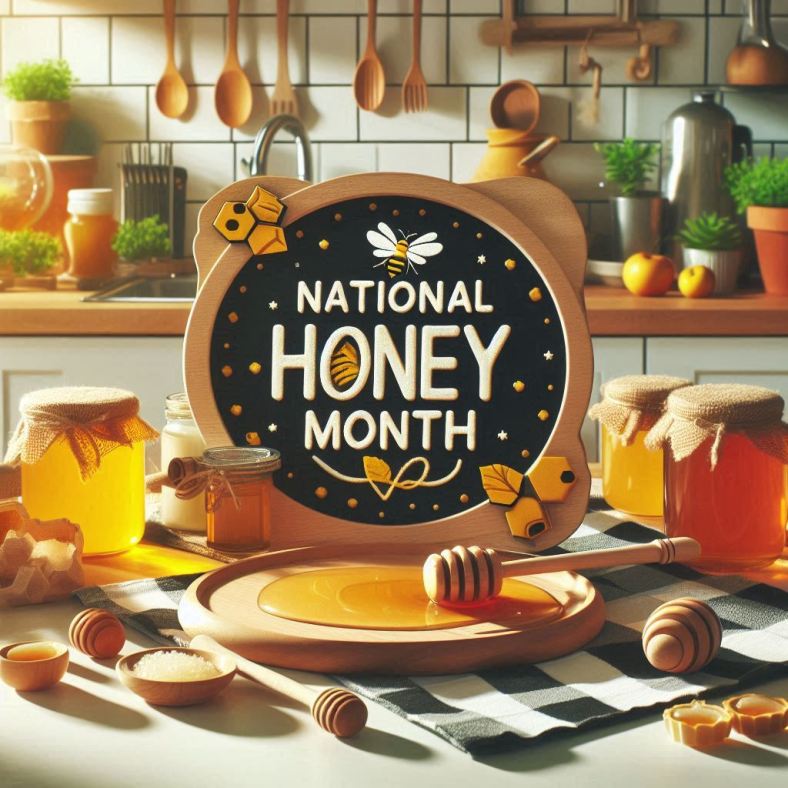
NATIONAL HONEY MONTH

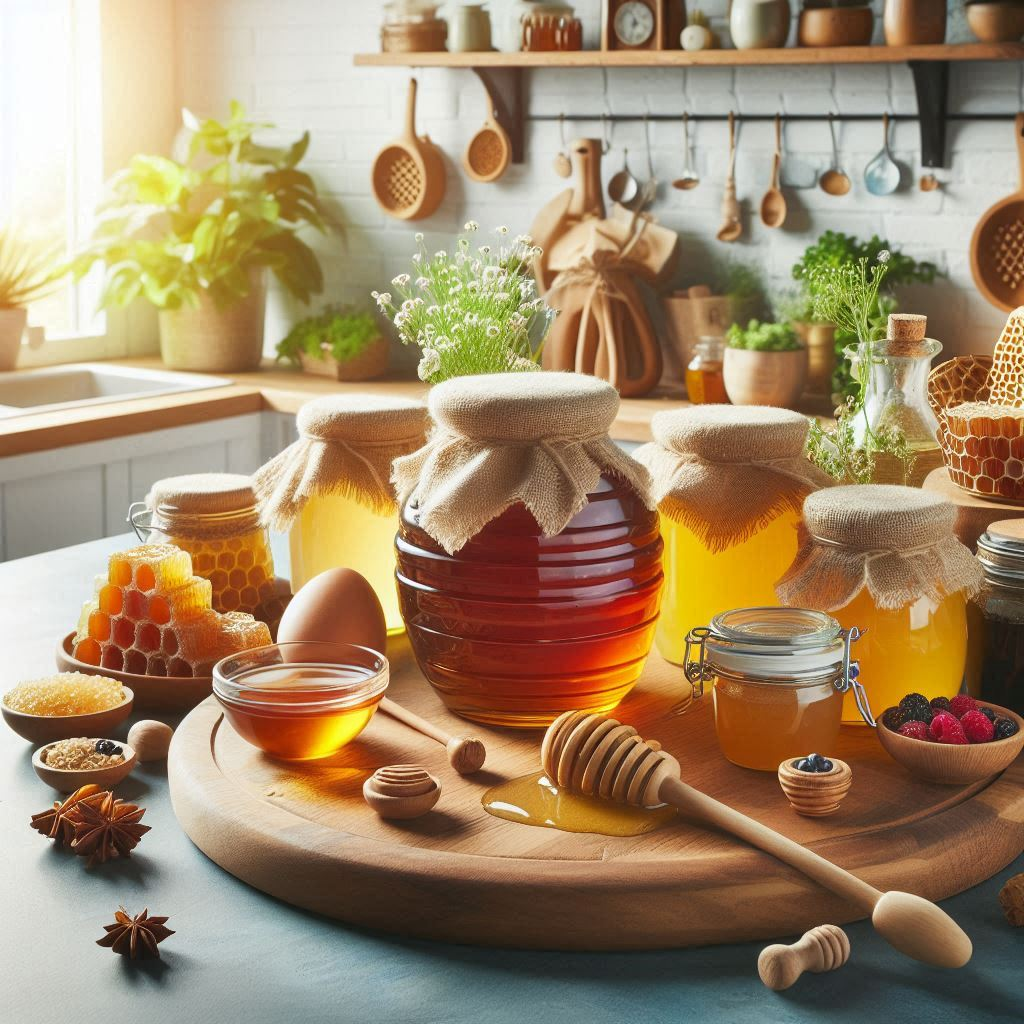
Honey is a sweet and viscous fluid produced by honey bees, and derived from the nectar of flowers. According to the United States National Honey Board and various international food regulations, “honey stipulates a pure product that does not allow for the addition of any other substance…this includes, but is not limited to, water or other sweeteners”.

Honey is Not All the Same.
Honey is available in many varieties! Did you realize that honey is available in many different varieties? When bees visit mostly one kind of flower as they gather nectar, the honey they produce has a unique taste, aroma and color from that particular flower. Other honeys are delicious blends of floral sources (look for Mixed Flower, Polyfloral, Wildflower).  The Honey Locator is a website you can use to find suppliers of these many varieties of honey. 

September is significant for honey producers as it is the month that marks the end of the honey collection season for many beekeepers in the United States.

Honey and its use
The main uses of honey are in cooking, baking, as a spread on breads, and as an addition to various beverages such as tea and as a sweetener in commercial beverages. Because honey is hygroscopic (drawing moisture from the air), a small quantity of honey added to a pastry recipe will retard staling.

Medicinal uses and health effects of honey
For at least 2700 years, honey has been used to treat a variety of ailments through topical application, but only recently have the antiseptic and antibacterial properties of honey been chemically explained. As an antimicrobial agent honey may have the potential for treating a variety of ailments.

  • Topical honey has been used successfully in a comprehensive treatment of diabetic ulcers when the patient cannot use other topical antibiotics. Some studies suggest that the topical use of honey may reduce odors, swelling, and scarring when used to treat wounds.
  • Raw honey also contains enzymes that help in digestion, several vitamins and antioxidants.
  • Honey may also prevent the dressing from sticking to the healing wounds.
  • Honey has been shown to be an effective treatment for conjunctivitis in rats.
  • Honey (especially when combined with lemon) is often taken orally by pharyngitis and laryngitis sufferers, in order to soothe them.
  • Honey has been a part of many folk cures, it is common and cheap (compared to pharmaceuticals), and cannot be patented.

A Honey for All Skins
Skin is the body’s largest organ and its most exposed. Throughout life, the skin comes into contact with more damaging conditions and environments than any other part of the body. Pamper it with one of the world’s oldest skin care secrets, honey.  read more http://www.honey.com/consumers/sb/skins.asp

History
The awareness month was initiated by The National Honey Board, a United States Department of Agriculture (USDA) founded and overseen organization. (a US government established, USDA-overseen, organization) in 1989.

Biblical Period
The Old Testament contains many references to honey as a symbol for all that is pleasant and desirable. For example, the book of Exodus famously describes the Promised Land as a ‘land flowing with milk and honey’ (33:3). There, however, the Hebrew devash refers to the sweet syrup produced from the juice of the date. In contrast, bees’ honey is referred to explicitly in The Book of Judges when Samson found a swarm of bees and honey in the carcass of a lion (14:8). Matthew 3:4 John the Baptist lived for a long period of time in the wilderness on a diet consisting of locusts and wild honey. The word “honey” appears 61 times in the King James Version of the Bible.
http://en.wikipedia.org/wiki/Honeyy

HOW TO OBSERVE

Add some honey to your diet and use #NationalHoneyMonth to post on social media.

WHOLE GRAINS MONTH

Throughout September, Whole Grains Month promotes the benefits and flavors of whole grains in a healthy diet.

Whole grains include the entire seed of a plant. A grain seed is composed of three parts.

  • Bran – The outer shell of a seed or kernel is hard and contains important minerals, antioxidants, and fiber.
  • Endosperm – The next layer of a seed or kernel (or the middle layer) contains most of the carbohydrates found in grains.
  • Germ – The center layer provides vitamins, minerals, and necessary protein.

Whole grains are a vital part of a healthy diet. Not only do whole grains help reduce heart disease and diabetes, but it also helps improve bowel health. Maintaining a regular bowel movement is at the top of everyone’s list! (Yes, we went there.)

Adding whole grains to your meals is easier than many people think it is. These whole grains can be added to every meal with ease.

A few kinds of whole grains to start incorporating in your diet include:

Whole Grain Month also promotes recipes and shopping tips all month long.

WHOLE GRAIN MONTH HISTORY

The Whole Grains Council has been promoting Whole Grain Month since 2006. Their mission is to share the importance of whole grains and how to incorporate them into a healthy diet.

HOW TO OBSERVE #WholeGrainMonth

Add whole grains to your meals throughout September! Try these delicious ways to incorporate whole grains:

  • Add granola to your yogurt.
  • Switch to 100% whole grain bread – this includes 100% whole wheat breads.
  • Replace refined pasta with whole-grain versions.
  • Replace refined pasta with whole grain rice.
  • Add quinoa to your smoothie.
  • Enjoy a bowl of air-popped popcorn.
  • Switch to whole-grain tortillas.
  • Add whole grains to your baking. Replace a portion of a recipe that calls for all-purpose flour with a whole-grain version.

After a month of adding whole grains to your diet, check-in with your body and see how you feel. Use #WholeGrainsMonth to share your favorite ways to cook with whole grains.

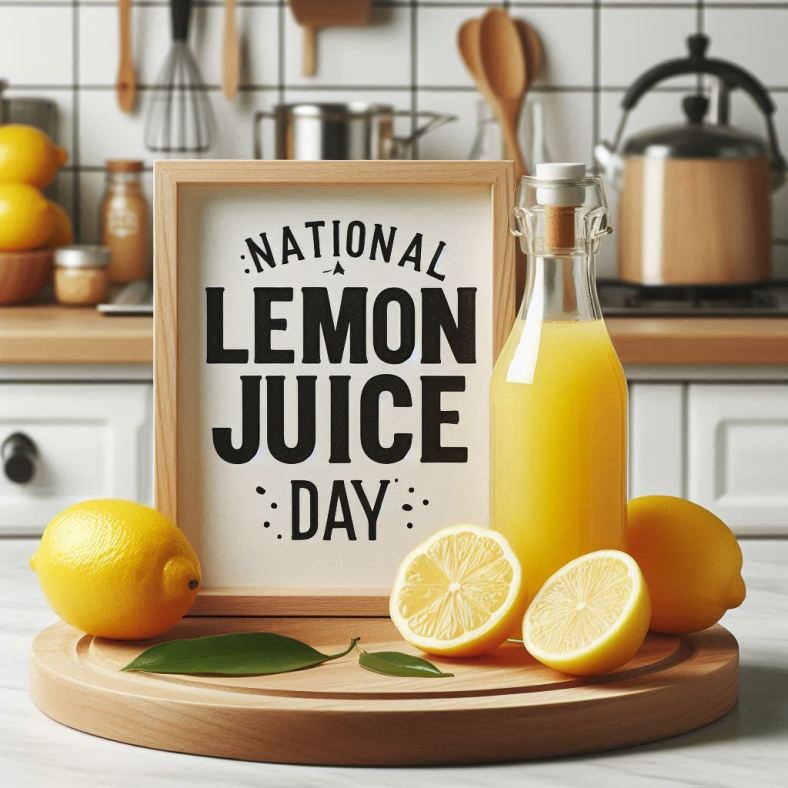
NATIONAL LEMON JUICE DAY

When the sun is blazing high in the sky, National Lemon Juice Day comes along just in time to bring a refreshing squeeze to just about anything. On August 29th, celebrate with a tart drop of lemon juice in your cooking, beverages, or freshen up the world around you.

These brightly colored sour fruits originated in the Himalayan Mountains millions of years ago. However, they have evolved since then, and today the citrus fruit is grown commercially in temperate climates. In the United States, California and Arizona produce more lemons than any other state.

Why Lemon Juice?

Why do we love lemons so much? Is it because we enjoy watching a baby’s face scrunch up at their first taste of the lemon juice? Well, we do, but that’s not the only reason. In cooking, the acid in lemon juice enhances the flavors. Add lemon juice to a salad dressing, and suddenly your salad goes from ho-hum to wow! In a sauce, the addition of lemon juice will transform it from being something that drowns a meal to something that brightens it. This one ingredient can save an entire dish.

The same applies to beverages. Lemon juice adds punch to teas, soda, and even water. But it also adds an extra level of flavor for mixed drinks. Bourbon, tequila, gin, cognac, vodka. They all have recipes that call for lemon juice, and that’s because, without it, the drink would be missing a vital element to the cocktail. Every bartender worth their salt has fresh lemons behind the bar. Alternatively, when paired with honey and a hot beverage, lemon juice soothes a sore throat and cough.

But lemon juice doesn’t stop there. No way. This powerhouse also makes us and our homes look good, too. Everything from home remedies to cleansers using lemon juice can be found on the internet. While you might not want to use fresh lemons (save those for the cooking and beverages), you can use bottled to save a few pennies. The fresh scent of lemon will also lift your mood as you brighten your pots and pans, clean your pores and windows and make your garbage disposal smell fresh again. While you’re at it, you should probably pour yourself a chilled glass of lemonade, too.

Explore More…

HOW TO OBSERVE NATIONAL LEMON JUICE DAY

Squeeze yourself some lemons. Reap the benefits of this refreshingly versatile fruit. There are so many ways to celebrate, too! Where will you start?

Give a baby a slice of lemon. Stop by your favorite bakery for the best lemon baked goods. You know, lemon meringue pie, lemon poppy seed muffins, or lemon pound cake with a lip-puckering icing.Try your hand at making limoncello. It takes time and patience, but it is also one very satisfying experience when done correctly. If you start now and make enough, you can give some of it away as Christmas gifts!

Celebrate the bright, beautiful freshness of lemon juice by using #NationalLemonJuiceDay on social media.

Lemon Juice FAQ

Q. When are lemons in season?
A. Most lemon trees produce fruit all year long.

Q. How many calories are in lemon juice?
A. One tablespoon of lemon juice contains 3 calories.

Q. How does lemon juice prevent fruits from browning?
A. The acid in lemon juice neutralizes an enzyme called polyphenol oxidase that causes fruit to brown.

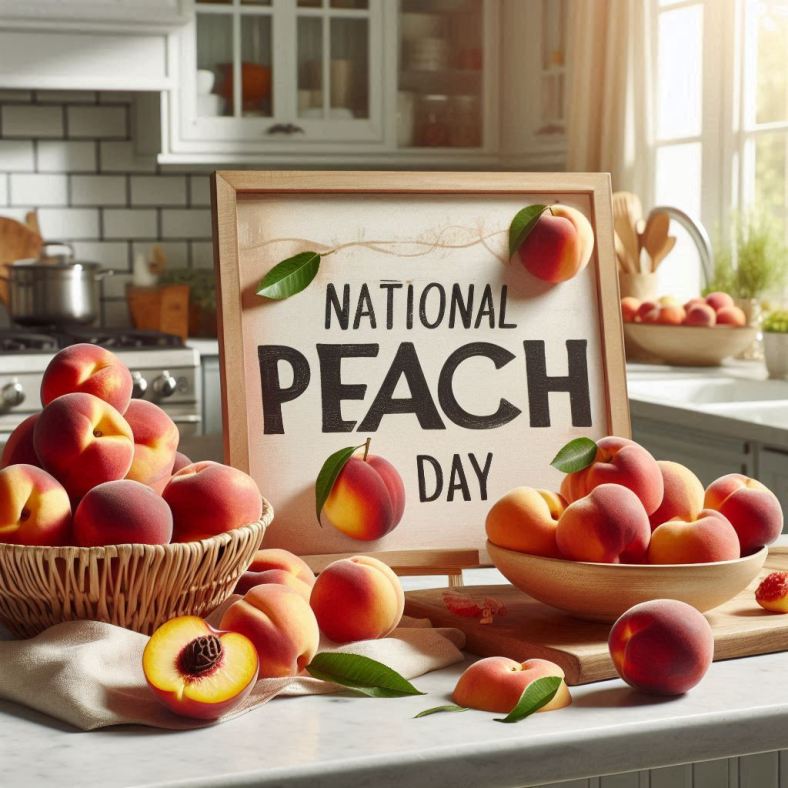
NATIONAL PEACH DAY

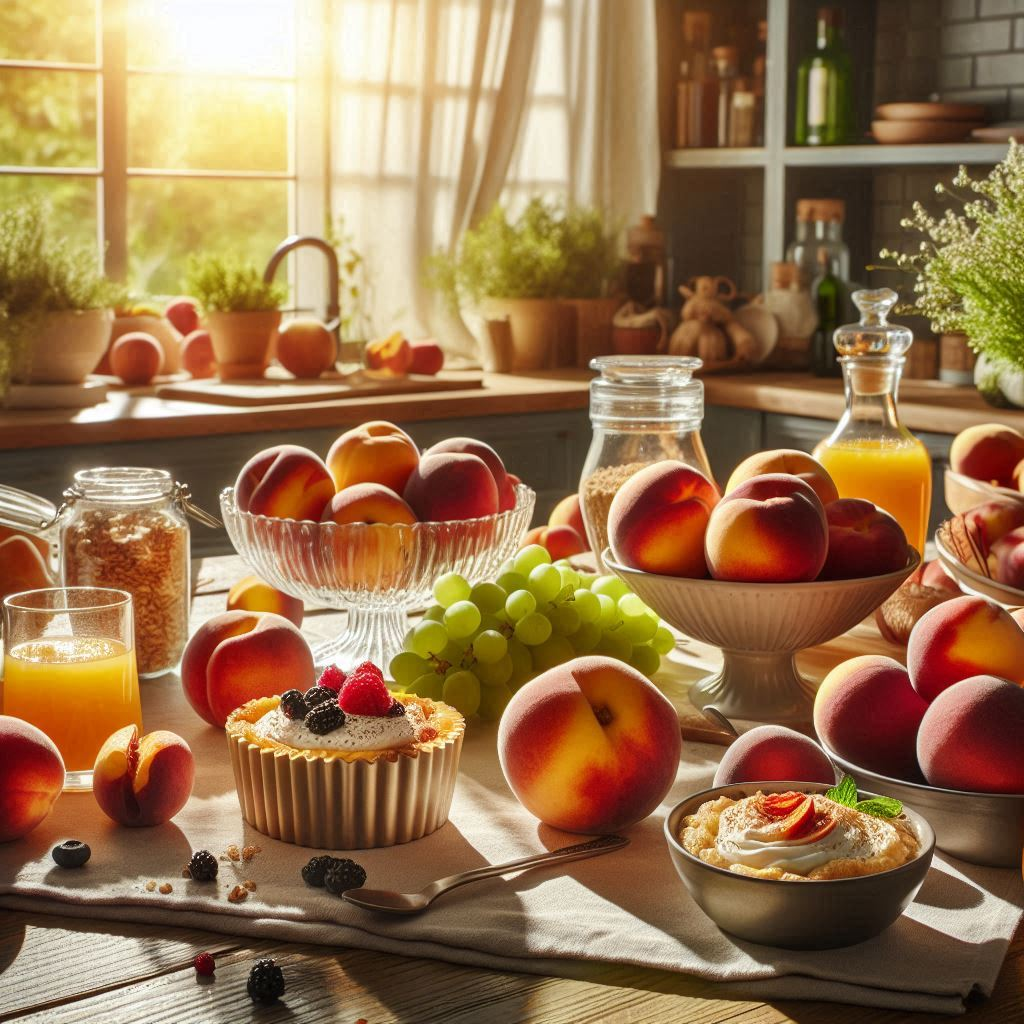
August 27 is National Peach Day, celebrate one of summertime’s most scrumptious fruits known as the peach! August is prime peach season in the U.S. and we want everyone to enjoy a few peaches, plus remember the hardworking peach growers who provide us with this delicious fruit.

Summertime brings plenty of opportunity to enjoy fresh fruits, especially a flavorful, juicy peach. Local farmers’ markets and orchids are busy picking peaches to deliver to anxious peach lovers. Whether you enjoy a peach by itself or use your peaches for canning and baking, National Peach Day is here to encourage you to celebrate this wonderful food holiday.

Brief History of Peaches in the U.S.

The history of the peach begins in China and Central Asia dating back 4,000 years. However, peaches were not just a delicious food, they were also an expensive and highly traded commodity along the ancient Silk Road in Asia. The Silk Road is one of the most important trade routes in history that allowed for goods to be transported between East and West Asia. Transporting peaches on the Silk Road led to introducing the fruit to other parts of the country, and eventually the world.

Peaches made their way to the U.S. some time during the 17th century. Settlers from Europe and Spain began cultivating peaches upon arrival. However, it’s uncertain who receives credit for introducing them first. Spanish explorers and missionaries were known to bring peach pits to Florida and Southwest and planting them. English settlers began cultivating peaches in Virginia around the same time. It’s possible both Spanish and English settlers receive equal credit because of the location they landed and began growing peaches.

Production of peaches happens along the south eastern and southern parts of the country. Peach farmers work to provide peach varieties that grow well in different parts of the U.S. Peach farming requires dedication, knowledge, and in-depth management to maintain healthy peach orchids. However, peach farmers are passionate about their work to provide delicious peaches to consumers. They work endless hours growing, managing, and harvesting peaches to transport to markets, grocery stores, and other destinations. Thanks to these hardworking people, we are able to use peaches in dishes, desserts, sauces, and preservatives daily.

Did you know?

In Chinese culture, peaches are a symbol of immortality and longevity.

6 FAVORITE PEACH VARIETIES

  1. Elberta peaches are one of the most popular peaches available. They are juicy and have a sweet, yet tart flavor. Some people say Elberta peaches are the best peaches for canning.
  2. White peaches are pale with creamy skin sweet flesh. They have a strong floral aroma and are often enjoyed in desserts and salads.
  3. Yellow peaches come in shades of orange and yellow and have a classic peach flavor. You can frequently find these peaches grocery stores.
  4. Clingstone peaches come in different sizes and colors. These peaches are a more common peach for making preservatives.
  5. Freestone peaches a popular peach for fresh eating because of their juicy flavor.
  6. Georgia Belle peaches are an early-season peach with a yellowish-red skin and sweet flavor. This peach is normally the first summer peach.

Peaches offer several health benefits. They are low in calories and are a good source of vitamins, including vitamins A and C. They contain beta-carotene and flavonoids, which are beneficial for fighting heart disease and anti-inflammatory disease. Peaches also promote healthy skin and boost the immune system, too. In fact, peaches contain high amounts of antioxidants to help protect cells from damage caused by free radicals. Best of all, eating peaches is twice as good knowing you are promoting good overall health every time you take a bite!

Explore More…

NATIONAL PEACH DAY CELEBRATION

  1. Visit a peach orchid or a local farmers’ market. Picking your own peaches allows you to choose the ripest and most fragrant peaches.
  2. Try a few recipes using peaches. We recommend trying peach cobbler. It’s quick, easy, and tastes delicious!
  3. Find a peach festival and celebrate with other peach lovers!
  4. Host a peach party! Include a peach theme with as much peach inspired food as possible.
  5. Share your recipes, photos, and peach growing tips on social media and tag #NationalPeachDay to celebrate this yummy food day.