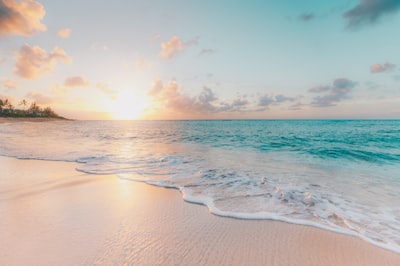
SUMMER BEGINS

On the longest day of the year, Summer Begins in the Northern Hemisphere. It is also known as the Summer Solstice, which happens either on June 20th, 21st, or 22nd. It all depends on the time zone in which you live. This one is June 21, 2026.

With the Summer Solstice, the astronomical calendar marks the first day of summer as the Earth’s axis is pointed toward the sun. It’s rays more directly impact the Northern Hemisphere giving us more daylight and more warmth. It’s a time when plants grow rapidly and animals are more active. That includes humans.

Many schools are out of session during the summer which gives families the opportunity to take vacations. Even those without children take time to explore the outdoors through camping, hiking, and biking. Community pools open, inviting everyone to cool off on hot summer days. The beaches are open, too. Water adventures in the form of kayaking, canoeing, skiing, and fishing entice us to the rivers and lakes.

Gardners and farmers spend time cultivating their bounty and watching the skies for foul weather. And speaking of fouls – baseball, softball, and soccer teams take the field with cheering fans in every color of the rainbow.

There’s so much to do during the summer, we try to pack it all in over weekends and short breaks. But it never seems to be enough time. Before we know it, summer is over. Though, it’s only just begun.

SUMMER BEGINS HISTORY

Since ancient times, the summer solstice has been marked on calendars with celebrations honoring the sun and as a way to mark the seasons.

HOW TO OBSERVE SUMMER BEGINS

There are so many ways to enjoy the beginning of summer! Whether you spend the day hiking, reading a good book on the beach or grilling some burgers, the important thing is that you celebrate summer. Spend some time outside in the fresh air. Take a long walk and visit a local park.

How will you celebrate? Let us know by using #SummerBegins to share on social media.

Just Enjoy June

Celebrating the Joys of Summer’s Kickoff

June bursts onto the scene as a month brimming with sunshine, longer days, and endless opportunities to celebrate.

As the official gateway to summer, June brings longer days, blooming gardens, and the perfect excuse to trade our busy schedules for a little bit of fun. While we often think of June for weddings and school letting out.  This month is packed with quirky holidays and heartfelt observances designed to help us savor the season. So, grab a glass of iced tea, put your feet up, and let’s dive into why this month deserves to be celebrated.

Wedding Season

Fun facts abound: June beetles make their appearance, and no other month starts on the same weekday as June in quite the same way. Flag Day honors patriotism in the U.S., while outdoor activities beckon everyone to get moving.

National Months in June encourage meaningful awareness alongside the fun.

National Give a Bunch of Balloons Month
National DJ Month                        
National Portuguese Heritage Month
African-American Music Appreciation Month
National Zoo and Aquarium Month
LGBTQIA Pride Month
Men’s Health Month
National Accordion Month
National Adopt a Cat Month
National Fresh Fruit and Vegetables Month
National Candy Month
National Camping Month
National Caribbean American Month
National Country Cooking Month
National Dairy Month
National Great Outdoors Month
National Headache and Migraine Awareness Month
National Homeownership Month
National Iced Tea Month
National Papaya Month
National Pollinators Month
National PTSD Awareness Month
National Safety Month
National Soul Food Month
Rose Month
Turkey Lovers Month                
June’s Birthstone;Why the Pearl is the Ultimate Gem of Romance and Grace                                                         Hurricane Readiness

With something for everyone turn ordinary dates into mini-festivals. Try National Say Something Nice Day, National Go Barefoot Day. Don’t forget to include National Hug Your Cat Day, National Cheese Day, Flag Day on the 14th, and National Go Fishing Day on the 18th. From National Game Show Day to celebrations honoring ice cream, donuts, and more, there’s truly something for every interest and personality.

June shines for sports enthusiasts too, with NBA Finals, Stanley Cup playoffs, baseball in full swing, and the NBA Draft.

Famous June birthdays—from Marilyn Monroe and Paul McCartney to Michael Phelps and Elon Musk—add star power.

Zodiac signs Gemini and Cancer add a touch of curiosity and emotional depth, while birth flowers like the rose and honeysuckle, along with stones such as pearl, alexandrite, and moonstone, celebrate love, devotion, and generosity.

This June, embrace the spirit of “Just Enjoy.” Whether you’re marking personal milestones, joining community events, or simply taking time to appreciate longer evenings and blooming gardens, the month offers countless ways to create memories. Gather with friends, try new recipes tied to food-themed days, explore nature, or reflect on what brings you joy. Here’s to making June unforgettable—happy celebrating!

NATIONAL EARTH DAY

Each year on April 22nd, National Earth Day campaigns around the globe promote ways to keep the Earth healthy and our planet livable. 

Since its inception, the organizers promote events educating the public about a variety of subjects including:

  • climate change
  • air pollution
  • water pollution
  • erosion
  • recycling
  • composting
  • renewable fuels and power
  • carbon footprints
  • efficient cars
  • rain forests
  • ecosystems

As citizens of the world, we can take action to protect the Earth, its creatures, and its habitats. Greener living can include more fuel-efficient vehicles or windows. It can also include landscaping for your climate reducing the amount of water required. 

Numerous green campaigns launch events around the globe each year. Join one near you or organize one that fits your community’s needs.

Amazon climate Friendly,
Pet Supplies,Toys & Games,
Baby, Electronics,
Home & Kitchen,
Health & Household,
Beauty & Personal Care, 
Amazon Brands, #climatefriendly#Earthday#sustainability
Choose certified products from Amazon

Our Climate Pledge Friendly program helps customers in the U.S. and EU discover and shop for more sustainable products. We collaborate with trusted third-party certifications and create our own to highlight products that meet sustainability standards and support our commitment to help preserve the natural world.

NATIONAL EARTH DAY HISTORY

In 1969, the concept of Earth Day was established at a UNESCO Conference in San Francisco. On March 21, 1970, a sanctioned Proclamation was signed by Secretary-General U Thant at the United Nations. A month later, on April 22, 1970, U.S. Senator Gaylord Nelson founded Earth Day. While National Earth Day is not considered a national holiday we encourage you to learn more.

Environmentalists held rallies in large cities around the country. The observance became a global event in 1990 and hasn’t stopped since.

Earth day finds 2024
#earthday

Explore More

HOW TO OBSERVE #NationalEarthDay

  • Support and use recycling programs in your community. 
  • Volunteer to clean up local parks and streets on clean-up days. 
  • Support and frequent green businesses.
  • Use re-usable products versus disposable.
  • Repurpose items that have outworn their use.
  • Shop secondhand and thrift stores for gently used items.
  • Use energy-efficient appliances or line dry your clothes. 
  • Walk or ride your bike to work if possible.
  • Carpool or make one trip instead of multiple trips for shopping.
  • Encourage your favorite products to reduce packaging.
  • Check out One Square Inch of Silence. Founded on Earth Day in 2005, it encourages you to participate in expanding naturally silent spaces around the globe.
  • Share your Earth Day experiences and join the conversation using #EarthDay on Social Media.

The ultimate test of man’s conscience may be his willingness to sacrifice something
today for future generations whose words of thanks will not be heard. ~ Gaylord Nelson – Founder of Earth Day

Share your Earth Day experiences and join the conversation using #EarthDay on Social Media.

DAYLIGHT SAVING TIME

Daylight Saving Time is currently put to use on the second Sunday in March in the USA.  The practice is designed to give people an extra hour of sunlight in the evening hours.  This is done by setting the clock ahead one hour at a predetermined date each year. This year that’s Saturday, March 8th.

The practice of Daylight Saving Time (DST) advances clocks during the summer months. It causes us to lose an hour for one day. However, the practice allows people to get up earlier in the morning and experience more daylight in the evening. Typically, users of DST adjust clocks forward one hour near the start of spring. Then, they change them back again in the autumn.

The system has received both advocacy and criticism. Setting clocks forward benefits retail business, sports, and other activities exploiting sunlight after working hours. However, the practice causes problems for evening entertainment and other activities tied to the sun or darkness. For example, farming and fireworks shows are both affected.

Although some early proponents of DST aimed to reduce the evening use of incandescent lighting (formerly a primary use of electricity, modern heating, and cooling), usage patterns differ greatly. Additionally, research about how DST currently affects energy use is limited or contradictory.

Problems sometimes caused by DST clock shifts include:

  • they complicate timekeeping
  • can disrupt meetings, travel, billing, record keeping, medical devices, heavy equipment,
  • it especially impacts sleep patterns

Software can often adjust computer clocks automatically, but this can be limited and error-prone. Programming is particularly problematic when various jurisdictions change the dates and timings of DST changes.

DAYLIGHT SAVING TIME HISTORY

George Vernon Hudson from New Zealand proposed the modern version of daylight saving in 1895.  Germany and Austria-Hungary were the first countries to use it starting on 30 April 1916.

The energy crisis in the 1970s accelerated the growth of Daylight Saving Time.  It has been argued that more natural light in the evening hours uses less electricity due to less artificial lighting requirements.  Many retail shops and tourist attractions also enjoy more business.

HOW TO OBSERVE #DaylightSavingTime

Besides adjusting our clocks, it’s important to adjust our sleep schedules, too. Many of us go into the time change sleep deprived. Don’t do this during Daylight Saving weekend. Start preparing your body and anyone in your household for an earlier bedtime. That includes pets. Their potty and feeding schedules will need to be adjusted, too. Start a few days before if at all possible. In the end, you and your entire household will be able to benefit from the additional sunlight in the evenings by enjoying outdoor activities without feeling the drag of lack of sleep.

Of course, most importantly, be sure to turn your clocks forward and use #DaylightSavingTime or #SpringForward to post on social media.

Joyous June Magazine

This month includes Father’s Day, Flag Day, Zoo & Aquarium Month, National Soulfood Month, Summer Begins, Wanna Get Away  Day, Pearl: June’s Timeless Birthstone of Love and Purity, World Bicycle Day, Summersgiving and more.  Download it today for all the fun, food and memories to make.