
🦋 Welcome to Jen’s world
Small Moments…
Big Joys
Travel · Food · Home · Health · Heart
A lifestyle blog by a disabled woman with a unique perspective — finding beauty in lavender mornings, mountain views, butterflies, and the quiet joy of a warm mug by the window.
Explore by Theme

🦋 Travel
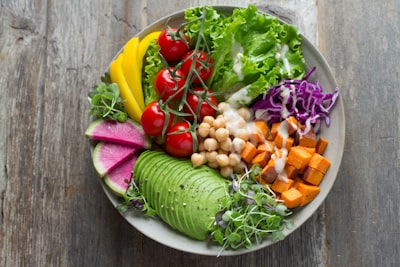
🦋 Recipes
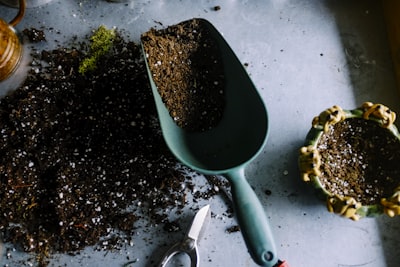
🦋 Home & Garden

🦋 Fashion & Style

🦋 Healthy Living
🦋
Stay Connected
Get the latest posts, recipes, travel tips and more delivered to your inbox!
Latest from the Blog
-
 accolade, Adopt, adults, African heritage, Amazon Prime, America, appreciation, autumn, back yard, baking, barbeques, beer, beverage, blog, books, Brands, breakfast, brothers and sisters, casserole, Celebration of Life, chicken, Chicken pot pie, children, classics, cocktail, coffee, community, cooking, Diets, dinner, Discovery, eco-friendly, encourage, explore, exploring history, fall, family, food, garden, Gluten free, goals, grocery shopping, health, history, hobby, Holiday, inspiration, keto, lifestyle, lunch, memories, men, monthly observations, native American Heritage, outdoors, pizza, Pork, pot pie, Recipes, restaurant, Retailers, safety, sauces, seafood, September, serve, shopping, soup, Spring, summer, travel, Trivia, United Kingdom, United Nations, United States of America, vegan, vegetables, winter, women
NATIONAL MUSHROOM MONTH
All through September, National Mushroom Month celebrates the wide variety of mushrooms available. The U.S. Department of Agriculture…
-
 Adopt, Amazon Prime, America, appreciation, backyard barbecue, bakery, baking, barbeques, beer, berries, berry, beverage, blog, blueberry, books, Brands, broccoli, brothers and sisters, brownie, brunch, butterscotch, cabbage, casserole, Celebration of Life, cheese, cherry, Chicken pot pie, chocolate, classics, cocktail, cold, college, companion, cooking, delivery, desserts, Diets, Discovery, encourage, explore, exploring history, fall, family traditions, fish fry, food orders, friendship, fruit, german American, grocery shopping, heritage, Hispanic American, inspiration, Italian-American, Jewish American heritage, keto, lifestyle, memories, men, mom, monthly observations, native American Heritage, Pintrest, pizza, popsicle, pot pie, restaurant, Retailers, Road Trip, sandwich, sauces, Scottish American Heritage, seafood, self care, serve, Shipt, sisters, smile, soup, spices, Spring, States, sweet, United States of America, vegetables, Vintage, warm, winter
NATIONAL COUNTRY COOKING MONTH
June kicks off National Country Cooking Month and a time when we spend more time with family. Whether…
-
 accolade, Adopt, adults, African heritage, african world heritage, Amazon, Amazon Fresh, Amazon Prime, America, American, apple, appreciation, art, arts, asparagus, autumn, backyard barbecue, Bacon, bakery, baking, barbecue, barbeques, baseball, beach, beef, berries, berry, beverage, big game, birthday, blog, blueberry, blues music, books, Brands, bread, breakfast, brothers and sisters, brownie, brunch, businesses, butterscotch, cabbage, cake, candy, cashews, casserole, catfish, Celebration of Life, celebrity, celery, characters, cheese, chicken, Chicken pot pie, children, citrus, classics, coastal, coconut, coffee, cold, comfort, community, competition, condiments, contest, cooking, cozy, Crawfish Boil, cream cheese, create, creole, culture, deli, delivery, desserts, diabetic, Diets, dinner, Discovery, donut, doughnut, drink, encourage, entertaining, Europe, everyday, explore, exploring history, fall, family, family traditions, famous, farmers market, fish, fish fry, fishing, flavor, food, food orders, freedom, French, french toast, friends, friendship, fruit, german American, Gluten free, goals, Google, gratitude, Greek, grocery shopping, gulf coast, handwritten, herbs and spices, heritage, Hispanic American, history, home, Homemade, honey, hosting, hot, household, hugs, inspiration, inspire, instagram, invitation, Italian-American, jamaican, Japanese, Jewish American, june, keto, kitchen, Korean American, late night snack, laugh, learn, leisure, lemon, lifestyle, lunch, memories, men, milk, monthly observations, movies, muffin, native American, near me, noodles, nut butters, nuts and seeds, oranges, outdoors, pancake, pantry, party, pasta, patriotic, peach, peaches, peanut butter, peanuts, pears, Pensacola, pepita, Philippines, picnic, Pie, pineapple, Pintrest, Polish American, population, Pork, Positivity, pot pie, potato, potatoes, pumpkin, punch, raspberry, Recipes, refrigerator, relax, remember, restaurant, Retailers, rhubarb, ritual, Road Trip, salad, sandwich, savory, Scottish-American, seafood, serve, share, Shipt, shopping, side dish, smart glasses, smart tv, smile, smoothie, snack, social media, soup, spices, spinach, Spring, States, story, strawberry, summer, sweet, tea, teach, travel, Trivia, United States of America, vegetables, Vintage, warm, watermelon, wine, winter, women
NATIONAL SOUL FOOD MONTH
National Soul Food Month in June is steeped in tradition, tracing its heritage back generations. While soul food…

