
🦋 Welcome to Jen’s world
Small Moments…
Big Joys
Travel · Food · Home · Health · Heart
A lifestyle blog by a disabled woman with a unique perspective — finding beauty in lavender mornings, mountain views, butterflies, and the quiet joy of a warm mug by the window.
Explore by Theme

🦋 Travel
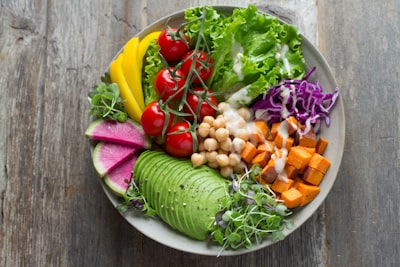
🦋 Recipes
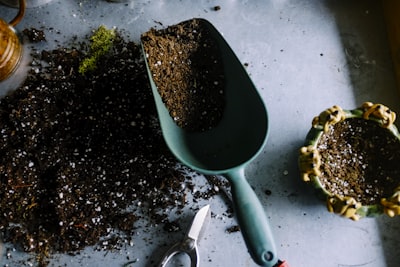
🦋 Home & Garden

🦋 Fashion & Style

🦋 Healthy Living
🦋
Stay Connected
Get the latest posts, recipes, travel tips and more delivered to your inbox!
Latest from the Blog
-
 accolade, Adopt, adults, Amazon, Amazon Prime, America, Appliance, appreciation, autumn, baby, Bacon, bakery, barbecue, barbeques, beach, beer, beverage, big game, blog, books, Brands, bread, breakfast, brothers and sisters, casserole, Celebration of Life, characters, cheese, cherries, cherry, chicken, Chicken pot pie, children, chinese, Christmas, Cinco de Mayo, college, comfort, cooking, cozy, creole, desserts, Diets, dinner, Discovery, Duck, encourage, entertaining, explore, exploring history, fall, family, fish, fondue, food, football, freedom, Freezer meal, friends, friendship, galic, garden, german American, gifts, giving, goals, Google, Greek, grocery shopping, health, herbs and spices, heritage, Hispanic American, history, Homemade, hosting, inspiration, irish, Italian-American, jamaican, January, Japanese, Jewish American, keto, kitchen, korean, late night snack, learn, lifestyle, lunch, memories, men, mom, monthly observations, native American, nurture, nuts, nuts and seeds, Octoberfest, pantry, pasta, Philippines, pizza, Pork, pot pie, read, Recipes, remedy, restaurant, sauces, savory, Scottish-American, seafood, season, seniors, serve, share, smile, soup, spices, spinach, Spring, States, story, summer, Swedish, travel, Trivia, Turkey, United Kingdom, United Nations, United States of America, vegan, vegetables, vegetarian, warm, wine, winter, women
NATIONAL SOUP MONTH
In the deep chill of January, National Soup Month warms us up with piping hot bowls of comfort! We…
-
 accolade, Adopt, adults, agenda, Amazon, Amazon Fresh, Amazon Prime, America, appreciation, apricot, asparagus, autumn, awareness, baby, back to school, Bacon, bakery, baking, banana, barbeques, beef, beer, berries, berry, beverage, blog, Brands, bread, breakfast, broccoli, brothers and sisters, brunch, cabbage, cake, casserole, causes, Celebration of Life, celery, characters, cheese, cherries, cherry, chicken, Chicken pot pie, children, chinese, chips, chocolate, citrus, classics, Clean, cocktail, coffee, college, comfort, community, companion, condiments, cookies, cooking, coupon, crafts, cranberry, deli, delivery, desserts, Diets, dinner, discount, Discovery, donations, donut, doughnut, drink, Easter, encourage, entertaining, everyday, explore, exploring history, fall, family, farmers market, fish, flavor, fondue, food, freedom, friends, friendship, fruit, fudge, german American, giving, goals, granola, grape, grapefruit, Greek, Greek yogurt, grocery shopping, health, healthy, herbs and spices, Hispanic American, history, honey, hosting, household, ice cream, inspiration, inspire, inst a cart, instagram, irish, Italian-American, Japanese, Jewish American, kitchen, Korean American, lemon, lifestyle, lime, lunch, mango, marshmallow, memories, men, milk, monthly observations, muffin, native American, noodles, nurture, nut butters, nuts, nuts and seeds, oranges, pancake, pantry, party, pasta, peach, peaches, peanut butter, peanuts, pears, pets, Philippines, picnic, Pie, pineapple, pink grapefruit, Pintrest, pita chip, pizza, popsicle, Pork, pot pie, potato, potatoes, pumpkin, punch, raspberry, refrigerator, remedy, Retailers, rhubarb, rice, salad, salsa, Sandwhich, save money, savings, savory, Scottish-American, seafood, seniors, serve, Shipt, shopping, smile, smoothie, snack, social media, soup, spices, spinach, strawberry, tea, travel, Trivia, Turkey, United States of America, vanilla ice cream, vegan, vegetables, watermelon, Whole foods, wine, winter, women
NATIONAL FAIR TRADE MONTH
National Fair Trade Month is an annual designation observed in October. During this time, we raise awareness about…
-
 accolade, Adopt, adults, agenda, Amazon, Amazon Fresh, Amazon Prime, America, appreciation, backyard barbecue, Bacon, bakery, baking, barbeques, beach, blog, Brands, brothers and sisters, brownie, brunch, calander, casserole, Celebration of Life, characters, cheese, children, chinese, Christmas, classics, college, comfort, community, competition, contest, convention, cooking, Discovery, earth day, Easter, educate, empower, encourage, England, entertaining, everyday, explore, exploring history, fall, farmers market, flavor, fondue, food, football, freedom, friends, friendship, fruit, Gala, Geek, german American, gifts, giving, Gluten free, goals, Google, Greek, grocery shopping, health, herbs and spices, Hispanic American, history, home, honey, hosting, hotel, household, inspiration, inspire, inst a cart, instagram, irish, Italian-American, jamaican, Japanese, Jewish American, keto, kitchen, Korean American, late night snack, learn, lifestyle, luau, lunch, luxury, memories, men, mom, monthly observations, native American, near me, nurture, party, pasta, picnic, Pintrest, pizza, population, Recipes, refrigerator, remember, remembrance, resort, restaurant, Retailers, Road Trip, romance, sale, sandwich, sauces, savory, Scottish-American, seafood, search, season, seniors, serve, share, Shipt, shopping, side dish, smile, snack, social media, soft, soup, spices, Spring, States, story, summer, tailgate, teach, travel, Trivia, United States of America, wedding, Whole foods, wine, winter, women
NATIONAL GOAT CHEESE MONTH
August is National Goat Cheese Month! Chances are you’ve tried it, whether you realized it or not.If you…

