
🦋 Welcome to Jen’s world
Small Moments…
Big Joys
Travel · Food · Home · Health · Heart
A lifestyle blog by a disabled woman with a unique perspective — finding beauty in lavender mornings, mountain views, butterflies, and the quiet joy of a warm mug by the window.
Explore by Theme

🦋 Travel
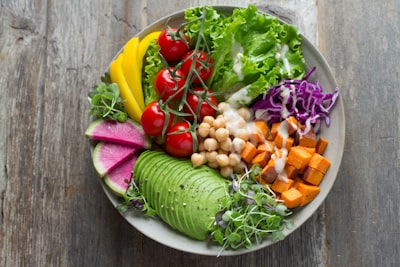
🦋 Recipes
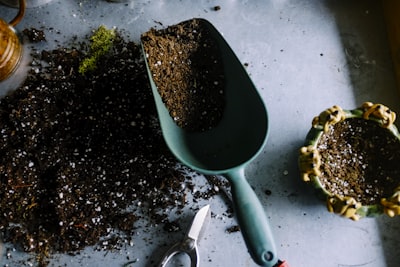
🦋 Home & Garden

🦋 Fashion & Style

🦋 Healthy Living
🦋
Stay Connected
Get the latest posts, recipes, travel tips and more delivered to your inbox!
Latest from the Blog
-
 accolade, Adopt, agenda, Amazon Prime, America, appreciation, Apps, art, arts, Athletic, back yard, baking, barbeques, baseball, bath, beverage, bicycle, biking, Bingable, bird watching, blog, board game, books, Brands, brothers and sisters, butterflies, butterfly, calander, candy, Celebration of Life, celebrity, cell phone, chat, cocktail, Collectables, college, color, companion, cooking, coupon, cuddle, dance, Discovery, dog, donations, electronics, emergency preparedness, encourage, explore, exploring history, fall, fiction, fishing, flower, football, friendship, funny, garden, gifts, giving, golf, grocery shopping, handpainted, heritage, hobby, home decor, inspiration, inventions, iPhone, ipod, jewelry, jokes, kindle, learn, libraries, lifestyle, luxury, memberships, memories, men, mom, monthly observations, natural disaster, nurture, paint, painting, Pintrest, pod cast, Positivity, pranks, punch, Retailers, Road Trip, screen time, search, self care, serve, sing, sisters, smile, smoothie, snack, social media, soft, songs, Spring, star gazing, States, story, tablet, United Kingdom, United States of America, Unplugging, Vinyl Record, website, winter, write
NATIONAL ANTI-BOREDOM MONTH
National Anti-Boredom Month during July encourages us to identify what makes us bored and find ways to combat…
-
 accolade, adults, Amazon, Amazon Prime, America, appreciation, autumn, beach, big game, birthday, blog, books, Brands, brothers and sisters, brunch, butterflies, calander, Celebration of Life, celebrity, characters, children, Christmas, Cinco de Mayo, cocktail, coffee, Collectables, college, community, companion, Discovery, encourage, entertaining, explore, exploring history, fall, family, famous, freedom, friends, friendship, german American, gifts, goals, Google, gratitude, heritage, Hispanic American, history, Holiday, hosting, inspiration, inspire, irish, Italian-American, jamaican, January, Japanese, Jewish American, Korean American, lifestyle, memories, men, Military, mom, monthly observations, mothers day, native American, nurture, organization, party, Peace, Philippines, Pintrest, Positivity, read, Recipes, remedy, remembrance, Retailers, romance, Scottish-American, search, season, share, smile, social media, spelling, Spring, story, summer, travel, Trivia, United States of America, Valentine’s day, Vintage, wine, winter, women, work, Work from home, write, writting
NATIONAL HANDWRITING DAY
On January 23rd we celebrate! National Handwriting Day was started to re-introduce one’s self to a pen or…
-
 Amazon Prime, America, appreciation, autumn, back to school, blog, books, Brands, Celebration of Life, classics, Discovery, encourage, explore, exploring history, fall, famous, fiction, Google, heritage, inspiration, internet, kindle, libraries, library, lifestyle, men, mom, search, spelling, Spring, story, tablet, United States of America, website, winter, work, write
NATIONAL THESAURUS DAY
National Thesaurus Day, on January 18th, honors Peter Mark Roget, the author of Roget’s Thesaurus, who was born on…
-
 Adopt, adults, agenda, airline boarding pass, alarm clock, Amazon, Amazon Prime, America, an app for that, animals, appreciation, Apps, arbor, art, arts, astronomy, Athletic, authors, autumn, aviation, baby, back yard, bakery, baking, baseball, bicycle, biking, Bingable, bird watching, birthday, birthstone, blog, board game, books, Brands, Bridgerton, brothers and sisters, brownie, brunch, butterflies, butterfly, cake, calander, California, Canada, candle, candy, cartoon, casino, casserole, casting, cats, causes, Celebration of Life, celebrity, cell phone, Celtic, characters, charity, chat, children, chocolate, Christmas, Cinco de Mayo, classics, Clean, closet, clothing, cocktail, coffee, Collectables, college, color, comedy, comfort, comic, community, companion, competition, Computer, computer programs, computers, contest, convention, cookies, cooking, cool, cozy, crafts, crochet, cuddle, dance, desserts, dice, Diets, dinner, Discovery, dog, Dr Suess, Dr Who, earth day, Easter, ebook, ecards, electronics, empower, encourage, England, entertaining, environment, exercise, explore, exploring history, fall, family, famous, fashion, fiction, fishing, flight, flower, food, foreign language, France, freedom, French, French Canadian, fresh flowers, friends, friendship, fun, funny, gamble, games, garden, Geek, gems, gemstone, german American, Germany, gifts, girl scout, giving, goals, golf, Google, graduate, gratitude, Greek, ham radio, handpainted, health, herbs and spices, heritage, Heroes, Hispanic American, history, hobby, Holiday, home decor, Homemade, honey, hosting, hugs, ice cream, inspiration, inspire, inventions, iPhone, ipod, irish, Italian, Italian-American, jamaican, January, Japanese, jazz, jewelry, Jewish American, jokes, keto, kitchen, knitting, korean, latin, laugh, learn, library, lifestyle, literature, luxury, managing money, mathematics, medical, memories, men, meteor, Military, mom, money, monkey, monthly observations, moon, mother nature, music, musician, mystery, National weather service, native American, nature, nursing, nurture, organization, outdoors, paint, painting, pantry, party, pasta, Peace, pets, Philippines, piano, Pie, Pintrest, plant trees, pod cast, podcasts, police, pollen, pollution, Positivity, pranks, productivity, protect and serve, puzzle, radio, read, Recipes, recycle, relax, remember, reminders, restaurant, Retailers, Road Trip, romance, safety, salad, Samsung, Sandwhich, sauces, save money, savory, school, scientist, Scottish-American, screen time, screenwriters, seafood, search, season, Second Hand, security, self care, seniors, serve, share, shopping, sing, sitcom, smile, smoothie, snack, soak, social media, sock, soft, songs, soup, space, Spanish, spices, sports, Spring, St Patrick’s Day, star gazing, Star Trek, Star Trek Discovery, Star Wars, Starbucks, stars, Starz, States, story, strategy, strawberry, summer, Swedish, sweet, tablet, tea, technology, telescope, Television, Thanksgiving, tickets, time, Tolkien, traffic updates, translation, travel, tree, tribal nations, Trivia, Turkey, tv, Uncategorized, United Kingdom, United Nations, United States of America, universe, Unplugging, vacation, Vintage, Vinyl Record, volunteers, vote, Wardrobe, warm, water conservation, watercolor, website, wedding, wine, winter, women, write, zoo
NATIONAL HOBBY MONTH
January is National Hobby Month, the perfect time of year to pick up a new hobby, or get…
