Spring is now in the air, and so is National Fragrance Day. Each year on March 21st, let your favorite scents lift your mood or carry you to another place.
Have you ever been transported back in time simply by catching the scent of a loved one’s perfume? Or perhaps it was the smell of baby powder on a newborn that sent you reeling back to the days when your child was an infant. Maybe it was a combination of ginger and molasses, and suddenly you were in your grandmother’s kitchen.
Whatever the fragrance, scents, and memory are powerfully linked. We associate summer with the smell of freshly cut grass, thunderstorms with the smell of the damp air, and the acrid scent of sulfur when lightning has struck. We often connect memories of winter holidays with warm spiced pies and cookies.
The brain is an amazing thing, and science finds out more about it every day. Simply put, the olfactory bulb which is responsible for processing all those smells we take in is next to the hippocampus deep inside the brain. Neuroscientists have discovered that one of the responsibilities of the hippocampus is creating new memories. Research suggests smell and memory are closely related since the olfactory bulb and the hippocampus are adjacent to each other.
Our memories are most nearly linked to those we have loved. Your first love may have worn a unique botanical fragrance, or perhaps the uncle who taught you to tie intricate knots smelled of cedar as he told war stories. While we may often take a trip down memory lane by looking at a scrapbook, perhaps this time remembering our favorite fragrances will stir up memories that were long forgotten, or maybe we will make some new ones.
NATIONAL FRAGRANCE DAY HISTORY
In the early 1980s, perfume manufacturers launched National Fragrance Day to celebrate all the ways scents can improve our lives.
On March 9th, National Barbie Day celebrates an iconic toy that premiered on this day in 1959. Barbie debuted at the American International Toy Fair in New York.
March 9th, 1959 also celebrates Barbie’s official birthday.
In 1959, Ruth Handler created the Barbie doll and launched an American icon. Barbie’s full name is Barbara Millicent Roberts, and she came with a full array of accessories. While toymakers mass-produced toys for years, before Barbie, none of them had adult features. Barbie’s adult features made the toy a first of its kind. Interestingly, Barbie’s marketing strategy relied on television advertising. For example, Barbie was the sole sponsor of the Mickey Mouse Club, marketing directly to children. At the time, the approach was unique. Estimates place over a billion Barbie dolls have been sold worldwide in over 150 countries.
Detractors often criticize Barbie for being an unattainable ideal of a woman. While her figure alone is unrealistic, over the years, Barbie evolved both in style and shape. In 2019, the Barbie brand honored pioneering women across several eras, as well. The modern Barbie offers positive role models in business, science, education, and more. Barbie continues to change, year after year, keeping up with the styles and the headlines.
In 1961, Mattel introduce Ken Carson as Barbie’s boyfriend.
Barbie has several sisters. However, Barbie’s family dynamic keeps changing. These are the sisters that Mattel has released in various forms:
Kelly
Chelsea
Skipper
Stacie
Krissy
In 1998, the Toy Hall of Fame inducted Barbie into its hallowed halls. The toy joined hundreds of other famous toys, some of which National Day Calendar celebrates throughout the year. Some of those include the Duncan yoyo, chess, and Radio Flyer wagon.
On February 22nd, National California Day recognizes the Golden State.
For more than a century, Spanish missionaries settled in California. Manifest Destiny and the Mexican American War would play a pivotal role in making California a U.S. Territory. Under the Treaty of Guadalupe Hidalgo, Mexico sold California along with its territories north of the Rio Grande for 15 million dollars.
Only days before the treaty was signed, gold was found at Sutter’s Mill in the Sierra Nevada Mountains. The gold rush of 1849 would set off an era of settlement unlike any a new territory had ever seen. On September 9, 1850, two years after the gold rush began, California became the 31st state.
While many think of sunny beaches and orange groves, California has a diverse climate. Each region boasts an opportunity for seasonal outdoor adventures. Whether surfing or downhill skiing is on the agenda, it’s sure to be found. If hiking among giant redwoods or touring historic missions is more to your liking, you’ll discover it here.
Of course, we can’t overlook Northern California’s wine country. Beautiful road trips and wine tastings along the magnificent Napa Valley or Sonoma County are a must for wine lovers.
Swimmin’ pools and movie stars, Califonia has those in large numbers. While moving pictures weren’t born in California, Hollywood sure made them flourish. By the turn of the 20th century, Hollywood built a foundation of movie studios that continued to grow and many of which still exist today.
Official California
State Capital – Sacramento State Nickname – The Golden State State Motto – Eureka State Theater – Pasadena Playhouse State Bird – California Quail State Amphibian – California Red – Legged Frog State Flower – California Poppy State Animal – California Grizzly Bear State Folk Dance – Square Dance State Dance – West Coast Swing State Fish – California Golden Trout State Rock – Serpentine State Fossil – Saber – Toothed Cat State Mineral – Gold State Tree – California Redwood State Song – I Love You, California State Gemstone – Benitoite State Artifact – Chipped Stone Bear State Insect – California Dogface Butterfly
Take a tour of California and find something new to discover! Join us as we explore the 31st state’s history, people, and culture. Uncover hide-a-ways, mysteries and incredible landscapes. Use #NationalCaliforniaDay to share on social media.
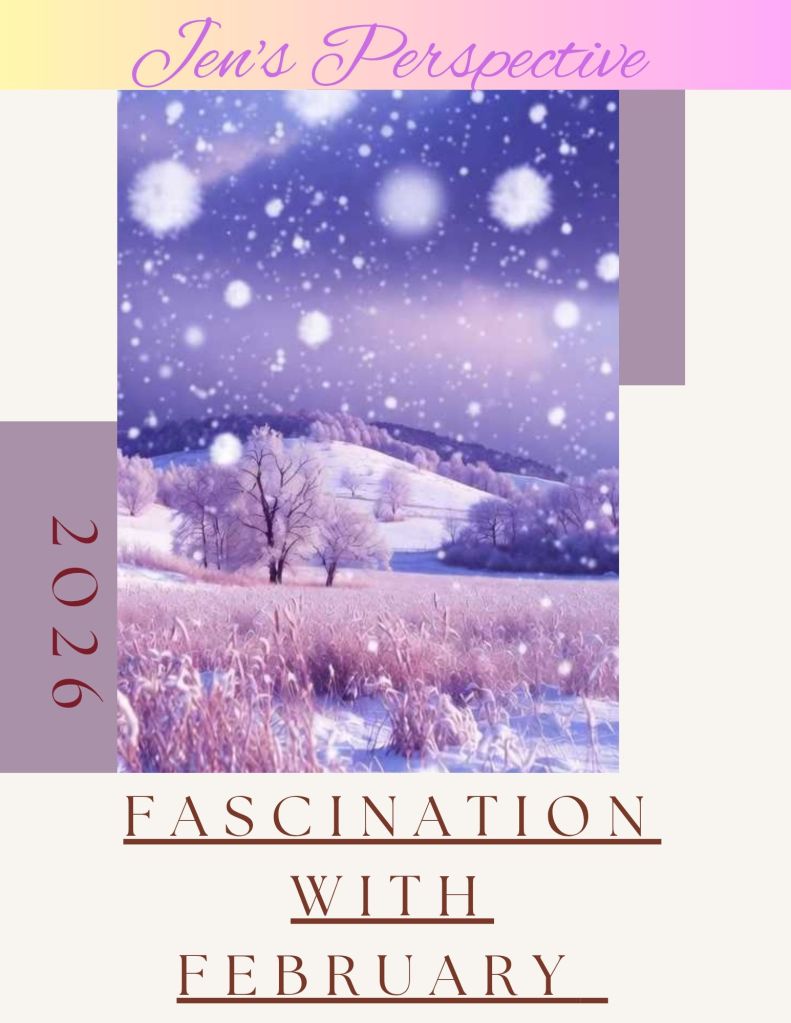
February is the year’s quiet paradox—a shortest month that somehow contains multitudes. Sandwiched between the forward momentum of January and the budding promise of March, it carves its own unique space: a 28-day (or sometimes 29-day) interlude of introspection, romance, and unpredictable charm. It’s a month that feels both fleeting and deeply significant, a hushed corridor where winter’s grip is tested by the first, fragile whispers of spring. We are fascinated by February precisely because it defies simple definition, packing a profound punch into its compact frame.
The heartbeat of February is measured in its special days, which range from the deeply sentimental to the whimsically specific. It opens with the lighthearted introspection of Groundhog Day, a folkloric checkpoint in our seasonal journey. The mood then shifts dramatically toward the warmth of Valentine’s Day on the 14th, a global celebration of love in all its forms. Be sure to check out our Valentine’s Gifts, Playlist and Movie recommendations. We also include some Date night ideas you can use for your Valentine’s night. But the month also holds space for more solemn reflection during Black History Month, a dedicated time to honor the struggles, triumphs, and central contributions of Black communities. These observances, side-by-side, create a rich emotional tapestry unique to these four weeks.
On the sports front, February delivers a thrilling one-two punch. In the United States, the month is dominated by the spectacle of the Super Bowl, an event that transcends football to become a cultural holiday of its own, complete with iconic commercials and halftime shows. Shortly after, the world turns its eyes to the grace and grit of the Winter Olympics (when they fall in this month), where athletes conquer ice and snow in a stunning display of human perseverance. The energy of these events provides a vibrant, communal contrast to the month’s often chilly and solitary weather.
And that weather is a character all its own. In the Northern Hemisphere, February is the stubborn, often brutal, climax of winter—a time of “February Freeze” where snow piles high and skies stay steel-gray. Yet, within this, are precious “February Thaws,” teasing glimpses of what’s to come. The light noticeably changes, with days growing longer, offering a silent promise that the deep freeze won’t last forever. This push-and-pull between winter’s last stand and spring’s early stirrings makes every February day a small, quiet drama.
February is divided between two astrological signs. Those born from February 1st to 18th are Aquarius, the visionary Water Bearer, known for being progressive, intellectual, and humanitarian. Those born from February 19th to the 29th are Pisces, the empathetic Fish, characterized by their creativity, intuition, and compassionate nature. This month boasts an array of famous birthdays, including inventors and presidents like Thomas Edison (Feb 11) and Abraham Lincoln (Feb 12), civil rights icons like Rosa Parks (Feb 4), and renowned artists like Bob Marley (Feb 6) and Nina Simone (Feb 21). It also includes modern figures like actor Jennifer Aniston (Feb 11) and activist Greta Thunberg (Feb 3).
Finally, February claims its own with distinctive birthday symbols. Its flowers are the violet, signifying loyalty and faithfulness, and the primrose, a hopeful symbol of young love. Its birthstone is the striking amethyst, a gem associated with peace, courage, and clarity of mind. These symbols perfectly capture the essence of the month and those born within it: a blend of deep resilience (the enduring violet), heartfelt connection (the delicate primrose), and serene strength (the luminous amethyst). In the end, February fascinates because it is a microcosm of life itself—brief, beautiful, bittersweet, and brimming with unexpected contrasts waiting to be embraced.
Some of the days in November carry the whole memory of summer as a fire opal carries the color of moonrise. ~Gladys Taber
November is the 11th month of the Gregorian calendar, with 30 days. Its name derives from the Latin word “novem,” meaning nine, as it was originally the ninth month in the ancient Roman calendar before January and February were added. It signals the transition toward winter in the Northern Hemisphere, often associated with harvest preparations, thanksgiving feasts, and a sense of reflection.
Season and Weather
In the Northern Hemisphere, November is the last full month of autumn, with days growing shorter and temperatures cooling significantly. Average weather varies by region: in much of the United States and Europe, expect highs ranging from 40–60°F (4–15°C) in temperate areas, with increasing chances of frost, rain, or early snow, especially later in the month. 16 Folklore warns that heavy November snow may persist until April, while mild conditions could lead to a muddy winter. 16 In the Southern Hemisphere, it’s spring, bringing warmer weather and blooming landscapes.
Sports
November is a peak time for several major sports seasons. American football is in full swing, with the NFL regular season heating up and college football games building toward bowl selections. The NBA basketball and NHL hockey seasons are well underway, featuring intense early matchups. Globally, soccer leagues like the English Premier League continue, and endurance events such as the New York City Marathon (typically the first Sunday) draw massive participation. Other highlights include tennis tournaments and the start of winter sports preparations.
Activities
Common activities in November revolve around autumn’s end and holiday prep. People enjoy leaf-peeping in colorful forests, harvest festivals, and outdoor pursuits like hiking or apple picking before colder weather sets in. Indoor tasks include gardening clean-up, such as using fallen leaves for mulch or marking plant locations for spring. Thanksgiving preparations dominate in the U.S., with cooking feasts, family gatherings, and shopping on Black Friday. Awareness campaigns like No-Shave November encourage beard-growing for cancer awareness. It’s also a time for community events, aviation appreciation, and stamp collecting hobbies.
Birthstones: Topaz (symbolizing friendship, often in yellow or orange hues) and citrine (a more affordable quartz crystal representing joy and success).
Flower: Chrysanthemum, from Greek roots meaning “golden flower,” symbolizing honesty, joy, and optimism.
Symbols: Zodiac signs are Scorpio (October 23–November 21, representing intensity and transformation) and Sagittarius (November 22–December 21, symbolizing adventure and philosophy). November is also linked to themes of preparation and somber reflection in folklore.
Famous Birthdays
November boasts many notable figures across history, science, arts, and entertainment. Some highlights include:
November 7: Marie Curie (1867), pioneering physicist and chemist who discovered radium.
November 10: Martin Luther (1483), founder of the Protestant Reformation.
November 11: Leonardo DiCaprio (1974), acclaimed actor and environmental activist.
November 14: Claude Monet (1840), influential Impressionist painter.
November 19: Indira Gandhi (1917), first female Prime Minister of India.
November 20: Robert F. Kennedy (1925), U.S. Senator and advocate for civil rights.
November 21: Voltaire (1694), Enlightenment philosopher and writer.
November 30: Mark Twain (1835), American author of classics like The Adventures of Huckleberry Finn.
Important Occurrences from History
Two pivotal events stand out in November’s historical timeline:
November 11, 1918: The Armistice of World War I was signed, ending the devastating conflict at the 11th hour of the 11th day of the 11th month, leading to celebrations worldwide and the basis for modern Veterans/Remembrance Day.
November 22, 1963: U.S. President John F. Kennedy was assassinated in Dallas, Texas, a shocking event that reshaped American politics and culture, with Lyndon B. Johnson sworn in as president shortly after.