NATIONAL FASTING FEBRUARY

National Fasting February reminds us that our metabolic health underlies many of the diseases that we associate with aging, from diabetes to cancer to Alzheimer’s disease. Regularly switching from burning sugars to burning stored fats can reduce our risk of metabolic disorders such as diabetes and other conditions of aging.

February is a month for transforming new health resolutions into healthy habits and lifestyles. Since 1964, February has been American Heart Month to help raise awareness of preventable risk factors of cardiovascular disease including obesity, a sedentary lifestyle, diabetes, high blood pressure, and high cholesterol. Diet heavily influences many of these risk factors. But there is a growing consensus among healthcare professionals that a healthy diet depends not just on what we eat but also when we eat.

National Fasting February celebrates the benefits of intermittent fasting on metabolic health. Practicing intermittent fasting is as simple as changing the timing of your meals. It gives your body at least a 10-12 hour break from metabolizing sugar every night.

Intermittent fasting does not require any change in the content of your diet, but rather merely a shift in the timing of your food and sweetened beverage intake. Regularly refraining from consuming any calories for just 10-12 or more hours can increase levels of brain-fueling ketones. It also:

Science-backed ways to practice fasting for metabolic health include:

  • Time-restricted eating: 10-16 hours of overnight fasting every day or several days per week
  • Alternate day fasting: Eating fewer than 500 calories every other day
  • The 5:2 diet: Two consecutive or non-consecutive days per week of eating fewer than 500 calories

NATIONAL FASTING FEBRUARY HISTORY

Intermittent fasting was developed as an alternative to calorie restriction interventions for studies of human aging and chronic disease prevention. Calorie restriction has long been considered by researchers to be a gold standard in prolonging lifespan in many animal species. But calorie restriction, which in humans typically involves eating fewer than 1,200 calories per day, is incredibly difficult for humans to practice. Researchers including Dr. Valter Longo, Dr. Mark Mattson, and Dr. Satchidananda Panda, and others are now finding that intermittent fasting may be just as effective or even more effective than calorie restriction in terms of delaying and preventing diseases of aging.

Learn more about intermittent fasting safety by reading this FAQ with fasting researcher Dr. Krista Varady, particularly the “Safety” section.

Safety

Fasting for 12-16 hours and exercising while fasted are safe practices for most individuals, except for pregnant women and individuals diagnosed with type 1 diabetes. However, you should consult your primary care physician to make sure that you don’t have a health condition for which fasting is contraindicated.

Prolonged fasting or going more than 24-36 hours without calories is the subject of early clinical trials. However, it isn’t necessary to glean the metabolic health benefits of fasting. You should drink plenty of water while fasting. You may need to supplement your water with a blend of electrolytes if you are practicing prolonged fasting. Zero-calorie beverages (unsweetened tea and coffee) will also not break your fast. You can consume artificially sweetened beverages while fasting in a pinch, but your gut microbes can break down some artificial sweeteners, and these sweeteners tend to increase your sweet cravings.

Intermittent fasting will not turn an unhealthy diet into a healthy one. You should try to eat a balanced diet with plenty of fruit and vegetables when you aren’t fasting. It’s also best practice to break a fast with a relatively low glycemic index (low carbohydrate) meal to avoid spiking your blood sugar.

More to Explore…

HOW TO OBSERVE #FastingFeburary

Visit lifeapps.io/fasting-february/ to learn more about how to participate in National Fasting February and to read about the health benefits of intermittent fasting.

  1. Choose a fasting schedule that works best for you. Practice it all month long. Intermittent fasting is not a fad diet, but rather a lifestyle for metabolic health. If you’ve never fasted before, start with time-restricted eating. This involves fasting for at least 10-12 hours every night, ideally starting in the early evenings. Don’t worry if you can’t make it to 12 hours at first – work up slowly. Throughout the month, you may work your way up to a 16-hour or an occasional 24-hour fast.
  2. Download the LIFE Fasting Tracker app to track your fasts. Create a fasting Circle, invite family members or join a public LIFE Circle to fast in a supportive social environment.
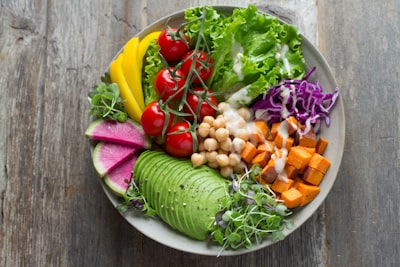
  3. Share your experiences with intermittent fasting and post photos of how you break your fasts on social media with the hashtag #NationalFastingFebruary.

If you are an experienced faster or looking to achieve weight loss, you may try practicing alternate day fasting or a 5:2 weekly fasting schedule this month.

About Life Fasting Tracker

The LIFE Fasting Tracker app was created by LifeOmic, a precision health software company headquartered in Indianapolis, Indiana. LifeOmic works with healthcare providers and academic institutions, including the Indiana School of Medicine, to power precision medicine and personalized treatments for cancer and other diseases using ultra-secure cloud technologies. LifeOmic’s LIFE apps provide the missing link to patient engagement in precision healthcare.

The LIFE Fasting Tracker app, free to download for both iOS and Android, is the easiest and most social way to fast. Launched in late 2018, the app makes it easy and fun to harness lifestyle changes to improve metabolic health. With the app, you can track your progress on any fasting schedule, see when you start burning fats for fuel, and intuitively log how you are feeling. You can share your fasts and give and receive encouragement within custom Circles of people you care about, from friends to coworkers to healthcare providers. Join hundreds of thousands of users in their journey to better health.

Fascination with February

February is the year’s quiet paradox—a shortest month that somehow contains multitudes. Sandwiched between the forward momentum of January and the budding promise of March, it carves its own unique space: a 28-day (or sometimes 29-day) interlude of introspection, romance, and unpredictable charm. It’s a month that feels both fleeting and deeply significant, a hushed corridor where winter’s grip is tested by the first, fragile whispers of spring. We are fascinated by February precisely because it defies simple definition, packing a profound punch into its compact frame.

The heartbeat of February is measured in its special days, which range from the deeply sentimental to the whimsically specific. It opens with the lighthearted introspection of Groundhog Day, a folkloric checkpoint in our seasonal journey. The mood then shifts dramatically toward the warmth of Valentine’s Day on the 14th, a global celebration of love in all its forms. Be sure to check out our Valentine’s Gifts, Playlist and Movie recommendations.   We also include some Date night ideas you can use for your Valentine’s night.  But the month also holds space for more solemn reflection during Black History Month, a dedicated time to honor the struggles, triumphs, and central contributions of Black communities. These observances, side-by-side, create a rich emotional tapestry unique to these four weeks.

On the sports front, February delivers a thrilling one-two punch. In the United States, the month is dominated by the spectacle of the Super Bowl, an event that transcends football to become a cultural holiday of its own, complete with iconic commercials and halftime shows. Shortly after, the world turns its eyes to the grace and grit of the Winter Olympics (when they fall in this month), where athletes conquer ice and snow in a stunning display of human perseverance. The energy of these events provides a vibrant, communal contrast to the month’s often chilly and solitary weather.

And that weather is a character all its own. In the Northern Hemisphere, February is the stubborn, often brutal, climax of winter—a time of “February Freeze” where snow piles high and skies stay steel-gray. Yet, within this, are precious “February Thaws,” teasing glimpses of what’s to come. The light noticeably changes, with days growing longer, offering a silent promise that the deep freeze won’t last forever. This push-and-pull between winter’s last stand and spring’s early stirrings makes every February day a small, quiet drama.

Celebrate All Month Long

National Fasting February
National Self Check Month              February’s Birthstone Amethyst
National Enrolled Agents Month
Free and Open Source Software Month
American Heart Month
An Affair to Remember Month
Black History Month
National Canned Food Month
Creative Romance Month
Great American Pies Month
National Bake for Family Fun Month
National Bird Feeding Month
National Cherry Month
National Children’s Dental Health Month  Spay & Neuter Awareness Month
National Grapefruit Month
National Heart Month
National Hot Breakfast Month
National Library Lover’s Month
National Snack Food Month
National Weddings Month
National Embroidery Month
Teen Dating Violence Awareness Month

Astrological Signs & Notable Figures

February is divided between two astrological signs. Those born from February 1st to 18th are Aquarius, the visionary Water Bearer, known for being progressive, intellectual, and humanitarian. Those born from February 19th to the 29th are Pisces, the empathetic Fish, characterized by their creativity, intuition, and compassionate nature. This month boasts an array of famous birthdays, including inventors and presidents like Thomas Edison (Feb 11) and Abraham Lincoln (Feb 12), civil rights icons like Rosa Parks (Feb 4), and renowned artists like Bob Marley (Feb 6) and Nina Simone (Feb 21). It also includes modern figures like actor Jennifer Aniston (Feb 11) and activist Greta Thunberg (Feb 3).

Finally, February claims its own with distinctive birthday symbols. Its flowers are the violet, signifying loyalty and faithfulness, and the primrose, a hopeful symbol of young love. Its birthstone is the striking amethyst, a gem associated with peace, courage, and clarity of mind. These symbols perfectly capture the essence of the month and those born within it: a blend of deep resilience (the enduring violet), heartfelt connection (the delicate primrose), and serene strength (the luminous amethyst). In the end, February fascinates because it is a microcosm of life itself—brief, beautiful, bittersweet, and brimming with unexpected contrasts waiting to be embraced.

EASTER

Easter is observed on the first Sunday following the full moon after the vernal equinox. Considered Christianity’s most important holy day, it celebrates the resurrection of Jesus Christ. Depending on which calendar a church follows, some will celebrate the holiday earlier than others.

amzn_assoc_placement = “adunit0”; amzn_assoc_search_bar = “true”; amzn_assoc_tracking_id = “jensperspe0fb-20”; amzn_assoc_ad_mode = “manual”; amzn_assoc_ad_type = “smart”; amzn_assoc_marketplace = “amazon”; amzn_assoc_region = “US”; amzn_assoc_title = “My Amazon Picks”; amzn_assoc_linkid = “50daecf3797d638dd2e95c4c1e251f51”; amzn_assoc_asins = “B00H5IDK9S,B001ULD366,B0028RY2MK,B004GCI9R4”; amzn_assoc_size = “600×2000”; //z-na.amazon-adsystem.com/widgets/onejs?MarketPlace=US

Leading up to Easter Sunday is an entire season of observances beginning with Ash Wednesday, Lent’s official beginning. Lent is a time of fasting and reflection, which represents the time Jesus spent in the wilderness for 40 days. Many know this as a time when Christians give something up for Lent.

Then during Holy Week, the Sunday before Easter is known as Palm Sunday. It commemorates Jesus’s entry into Jerusalem on a donkey just five days before the Romans crucified Him. Maundy Thursday remembers Jesus’s last supper; Good Friday is the day of the crucifixion; Holy Saturday is the period between the crucifixion and the resurrection; and Easter Sunday.

EASTER HISTORY

Before Easter (Pascha), Passover was the primary holy day celebrated; however, Christianity closely links the two holidays. Jesus’s last supper was a Passover meal. By the 2nd century, Orthodox Christians also celebrated Pascha alongside Passover as well as pagan spring festivals.

The Easter Bunny tradition comes from medieval Germany, where the Osterhase or Easter Hare would lay its colorful eggs in nests prepared by children. In the 18th-century, settling in the Dutch Pennsylvania countryside, immigrants brought this fable and tradition to the United States.

Explore More…

Dying eggs is a tradition that dates back thousands of years across many cultures. Eggs symbolize rebirth, fertility, and life springing forth. Today Easter egg hunts take place across the country. It is not unusual to see children in their Sunday best surrounding a giant Bunny. Many will also get their picture taken too!

HOW TO OBSERVE #Easter

If you choose, you can participate in any number of church services. Some churches conduct sunrise services. Dye eggs with children and have an Easter egg hunt. Local communities hold annual egg hunts as well, so check your local social media, newspapers, and community listings for dates and times. Use #Easter to share on social media.

amzn_assoc_placement = “adunit0”; amzn_assoc_search_bar = “true”; amzn_assoc_tracking_id = “jensperspe0fb-20”; amzn_assoc_search_bar_position = “bottom”; amzn_assoc_ad_mode = “search”; amzn_assoc_ad_type = “smart”; amzn_assoc_marketplace = “amazon”; amzn_assoc_region = “US”; amzn_assoc_title = “Shop Related Products”; amzn_assoc_default_search_phrase = “Easter basket”; amzn_assoc_default_category = “Grocery”; amzn_assoc_linkid = “c08f9e0d3cc3d57e13b3d86b32ba4005”; amzn_assoc_rows = “2”; amzn_assoc_default_browse_node = “16310101”; //z-na.amazon-adsystem.com/widgets/onejs?MarketPlace=US

Election Day in the United States

Election Day in the United States of America is the Tuesday following the first Monday in November. It can fall on or between November 2 and November 8. It is the day when popular ballots are held to select public officials. These include national, state, and local government representatives at all levels up to the president.

On Election Day, citizens of the United States of America can vote by popular ballot for candidates for public offices at local, state, and national levels. In even-numbered years, federal elections are held, while in years divisible by four, presidential elections are held. Elections for local and state officials may be held in odd- or even-numbered years, depending on local and state laws.

amzn_assoc_placement = “adunit0”; amzn_assoc_search_bar = “true”; amzn_assoc_tracking_id = “jensperspec03-20”; amzn_assoc_ad_mode = “manual”; amzn_assoc_ad_type = “smart”; amzn_assoc_marketplace = “amazon”; amzn_assoc_region = “US”; amzn_assoc_title = “My Amazon Picks”; amzn_assoc_linkid = “6e586020719180939b8f33c3c193125a”; amzn_assoc_asins = “B075L6LVYM,B07FW53B39,B08CS46DBD,B088P733KY”; amzn_assoc_size = “600×2000”; //z-na.amazon-adsystem.com/widgets/onejs?MarketPlace=US

The way in which people vote depends on the state in which they live. In Oregon, all votes are cast by post and all votes have to be received at a given time on Election Day. In the state of Washington, nearly all people vote by post and the envelopes containing the voting papers have to be postmarked with the date of Election Day. In other states, people vote at voting stations, where long queues can form.

History

In 1792, a law was passed allowing each of the states to conduct presidential elections at any point in the 34 days before the first Wednesday in December. This was the date when the meetings of the Electors of the U.S. president and vice-president, known as the Electoral Colleges, were held in each state. A date in November or early December was preferable because the harvest would have been finished, but the most severe winter storms would not have begun.

As long distance communication improved and became quicker with the advent of trains and telegraphs, allowing each state to conduct its elections at any point in a period of more than a month became outdated. The results of the elections that were announced earliest could influence the outcomes of elections held later in the permitted period.

In 1845, the United States Congress chose a single date for all national elections in all states. The first Tuesday after the first Monday in November was chosen so that there would never be more than 34 days between Election Day and the first Wednesday in December. Election Day is held on a Tuesday so that voters will not have to vote or travel on Sunday. This was an important consideration at the time when the laws were written and is still so in some Christian communities in the United States.

Today….

No matter who or how, it is more important than ever to make our voices heard. So make sure you get yours in. Check with family, friends, and neighbors to remind them or even help if needed. Share #IVotedToday on social media.