
🦋 Welcome to Jen’s world
Small Moments…
Big Joys
Travel · Food · Home · Health · Heart
A lifestyle blog by a disabled woman with a unique perspective — finding beauty in lavender mornings, mountain views, butterflies, and the quiet joy of a warm mug by the window.
Explore by Theme

🦋 Travel
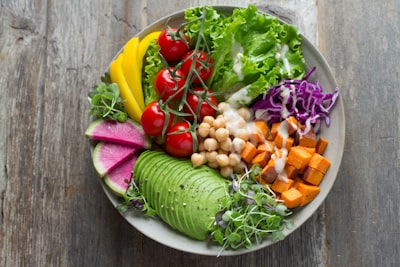
🦋 Recipes
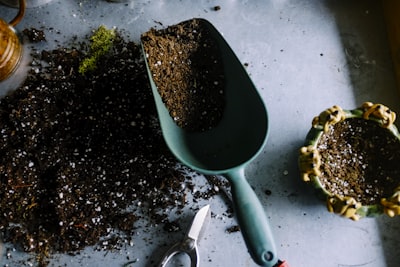
🦋 Home & Garden

🦋 Fashion & Style

🦋 Healthy Living
🦋
Stay Connected
Get the latest posts, recipes, travel tips and more delivered to your inbox!
Latest from the Blog
-
 accolade, Adopt, adults, Amazon, Amazon Prime, America, appreciation, asparagus, autumn, back to school, Bacon, barbeques, beach, beer, Bingable, blog, Brands, bread, broccoli, brothers and sisters, cabbage, casserole, Celebration of Life, celery, characters, charity, chicken, children, chinese, classics, college, comfort, community, cooking, creole, delivery, Diets, dinner, Discovery, Duck, encourage, England, explore, exploring history, fall, family, farmers market, fast food, February, fish, food, food orders, freedom, French, friends, friendship, galic, garden, german American, giving, Gluten free, goals, Google, Greek, grocery shopping, health, herbs and spices, heritage, Hispanic American, history, Holiday, Homemade, hosting, immune system, inspiration, inspire, irish, Italian-American, jamaican, Japanese, Jewish American, keto, kitchen, Korean American, late night snack, learn, lifestyle, lunch, memories, men, Military, mom, monthly observations, native American, nurture, nuts and seeds, pantry, Philippines, Pintrest, population, Pork, potato, potatoes, pumpkin, read, Recipes, refrigerator, remedy, remember, restaurant, Retailers, savory, Scottish-American, seafood, search, season, self care, seniors, serve, share, smile, snack, social media, soup, Spanish, spices, spinach, summer, travel, Trivia, Turkey, United Kingdom, United Nations, United States of America, vegan, vegetables, vegetarian, Vintage, warm, water, wine, winter, women
NATIONAL CLAM CHOWDER DAY
Each year on February 25th people across the nation have a bowl and spoon ready to be filled…
-
 accolade, Adopt, adults, Amazon, Amazon Prime, America, appreciation, autumn, Bacon, barbeques, blog, books, Brands, bread, broccoli, brothers and sisters, cabbage, casserole, Celebration of Life, celebrity, celery, characters, charity, cheese, chicken, children, chinese, Cinco de Mayo, classics, Clean, college, comfort, community, cooking, cozy, creole, delivery, Diets, dinner, Discovery, Duck, encourage, England, entertaining, explore, exploring history, fall, family, famous, farmers market, February, fish, food, freedom, friends, friendship, German, Gluten free, goals, Google, gratitude, Greek, grocery shopping, health, herbs and spices, heritage, Hispanic American, history, Holiday, Homemade, immune system, inspiration, inspire, irish, Italian, jamaican, Japanese, Jewish American, keto, kitchen, korean, late night snack, learn, lifestyle, lunch, memories, men, mom, native American, nurture, pantry, Philippines, Pintrest, population, Pork, Positivity, potato, potatoes, pumpkin, read, Recipes, relax, remedy, remember, reminders, restaurant, Retailers, savory, Scottish-American, seafood, search, season, self care, seniors, serve, share, smile, snack, soup, Spanish, spices, spinach, Spring, summer, Swedish, travel, Trivia, United Kingdom, United States of America, vacation, vegan, vegetables, vegetarian, warm, wine, winter, women
HOMEMADE SOUP DAY
February 4th heats up with National Homemade Soup Day. In every cuisine, soup provides a rich basis of…
-
 accolade, Adopt, adults, Amazon, Amazon Prime, America, appreciation, backyard barbecue, blog, Brands, brothers and sisters, casserole, Celebration of Life, cheese, chicken, children, classics, college, comfort, community, condiments, Diets, dinner, Discovery, encourage, entertaining, explore, exploring history, fall, family, fast food, February, fish fry, food, food orders, freedom, friends, friendship, fun, Google, grocery shopping, herbs and spices, Holiday, inspiration, inspire, kitchen, literature, lunch, memories, men, mom, Pintrest, potato, potatoes, Recipes, remember, restaurant, sandwich, seafood, search, season, serve, share, side dish, smile, snack, Spring, summer, travel, Trivia, United States of America, vegan, vegetables, warm, winter, women
NATIONAL TATER TOT DAY
On February 2nd, National Tater Tot Day recognizes a kitchen staple. In the United States, we consume approximately…
-
 Adopt, adults, Amazon, Amazon Prime, America, apple, applesauce, appreciation, Army, asia, asparagus, autumn, barbeques, beef, beer, beverage, big game, blog, blueberry, Brands, breakfast, broccoli, brunch, casserole, Celebration of Life, characters, cherries, chicken, children, chinese, citrus, coconut milk, college, comfort, community, condiments, cooking, culture, desserts, Diets, dinner, Discovery, drink, educate, emergency, emergency preparedness, everyday, explore, exploring history, fall, family, flavor, food, food drive, fruit, german American, Gluten free, goals, grapefruit, Greek, grocery shopping, health, Hispanic American, history, hosting, inventions, irish, Italian-American, Japanese, Jewish American, keto, kitchen, Korean American, late night snack, learn, lifestyle, lunch, memories, men, Military, milk, mom, monthly observations, native American, natural disaster, noodles, nuts and seeds, oranges, outdoors, pad thai, pantry, pasta, peach, pears, Philippines, pineapple, pink grapefruit, Polish American, population, potato, potatoes, pumpkin, punch, raspberry, Recipes, restaurant, Retailers, salsa, sauces, save money, savory, school, Scottish-American, seafood, seniors, serve, share, snack, social media, soup, spinach, Spring, strawberry, summer, sweet, travel, United States of America, vegetables, winter, women, World
NATIONAL CANNED FOOD MONTH
National Canned Food Month in February is a time for a second harvest! Your pantry and shelves provide…
-
 accolade, Adopt, adoption, adult beverage, adult juice slush, adults, affirmations, African heritage, african world heritage, agenda, Air Force, Airborne, airline boarding pass, alarm clock, album, Alexa, almonds, Amazon, Amazon Fresh, Amazon Music, Amazon Prime, Amazon Prime Days, Amazon Prime Video, America, American, amethyst, an app for that, angel, animals, apple, appreciation, Apps, art, arts, authors, autumn, aviation, awareness, Video Games, backyard barbecue, bakery, baking, ballroom, ballroom dance, beach, beautiful, beauty, beer, berries, berry, bicycle, bike, biking, Bingable, birds, blog, bluetooth, books, Brands, bridge, broccoli, brother, brothers and sisters, brownie, brunch, bubble bath, business, businesses, butterflies, butterfly, cake, calander, calligraphy, camping, candle, candy, cash back, Celebration of Life, Celtic, champagne, characters, cherry, children, chocolate, Christmas, classics, cleaning house, climate agenda, closet, clothing, coffee, college, computer geek, computer programming, crafts, culture, desserts, Diets, dinner, dog, dog mom, Dr Suess, drink, drink responsibly, earthquake, eco-friendly, empower, encourage, exercise, exploring history, family, Florida, flower, fragrance, freedom, fresh flowers, friends, friendship, fruit, fun, german American, gift guide, gifts, girl scout, giving, glasses, Gluten free, goals, golf, Google, Google maps, Google play, graduate, granola, grape, grapefruit, gratitude, Greek, Greek yogurt, Green New Deal, grocery shopping, guitar, gulf coast, gummy, gymnastics, habits, Halloween, ham radio, handpainted, handwriting, handwritten, Hanukkah, health and beauty, health issues, healthy, heart health, hebrew, herb garden, herbs and spices, heritage, Heroes, high school, Hispanic American, history, hobby, Holiday, hollywood, home, home decor, Homemade, honey, hospital, hosting, hot air balloon, house work, hugs, independence, inspiration, inspire, instagram, internet, iPhone, ipod, irish, Italian, Italian-American, itunes, iwatch, jamaican, Japanese, jazz, jewelry, Jewish American, keto, kindle, kitchen, knitting, Korean American, late night snack, latin, laugh, learn, leisure, lemon, letter, libraries, library, lifestyle, lime, literature, lunch, luxury, makeup, managing money, medical, meditation, memberships, memories, men, mental health, modern, mom, movies, Museum, music, musical instruments, musician, NASA, National Guard, native American, nature, November, nursing, nurture, nuts, nuture, organization, outdoors, pantry, party, peace of mind, Peaceful, peaches, pears, pen pal, Philippines, photographer, picnic, Pie, Pintrest, pizza, Polish American, popcorn, population, Positivity, potato, productivity, pumpkin, punch, Purity, read, Recipes, refrigerator, relax, remedy, remember, remembrance, reminders, restaurant, restaurant seating, Retailers, ritual, rivers, Road Trip, romance, safety, salad, Samsung, sandwich, sauces, save money, savory, school, Scottish-American, seafood, season, self care, seniors, serve, share, shopping, side dish, sisters, smart glasses, smart tv, smart watch, smile, smoothie, snack, social media, soft, songs, soup, special pricing, Starbucks, States, States and Capitals, strategy, streaming, Streaming Services, sustainable, tablet, tea, teach, technology, teen, teenager, teens, travel, Trivia, United Kingdom, United Nations, United States of America, vacation, Veteran, Vintage, Vinyl, Wardrobe, warm, wear, website, wedding, Wedding invitations, Whole foods, wine, winter, women, Work from home, work outs, Work Wear, write
Navigating November
November often blows in like a hurricane. Other times it lingers like the warmth of the sun. For…