
NATIONAL PEACH DAY

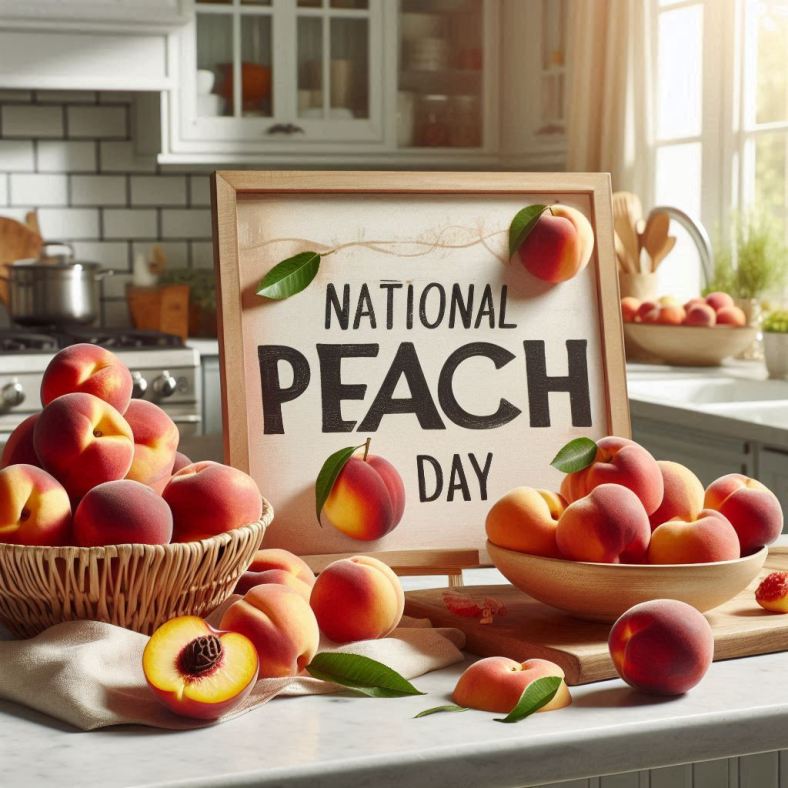
August 27 is National Peach Day, celebrate one of summertime’s most scrumptious fruits known as the peach! August is prime peach season in the U.S. and we want everyone to enjoy a few peaches, plus remember the hardworking peach growers who provide us with this delicious fruit.

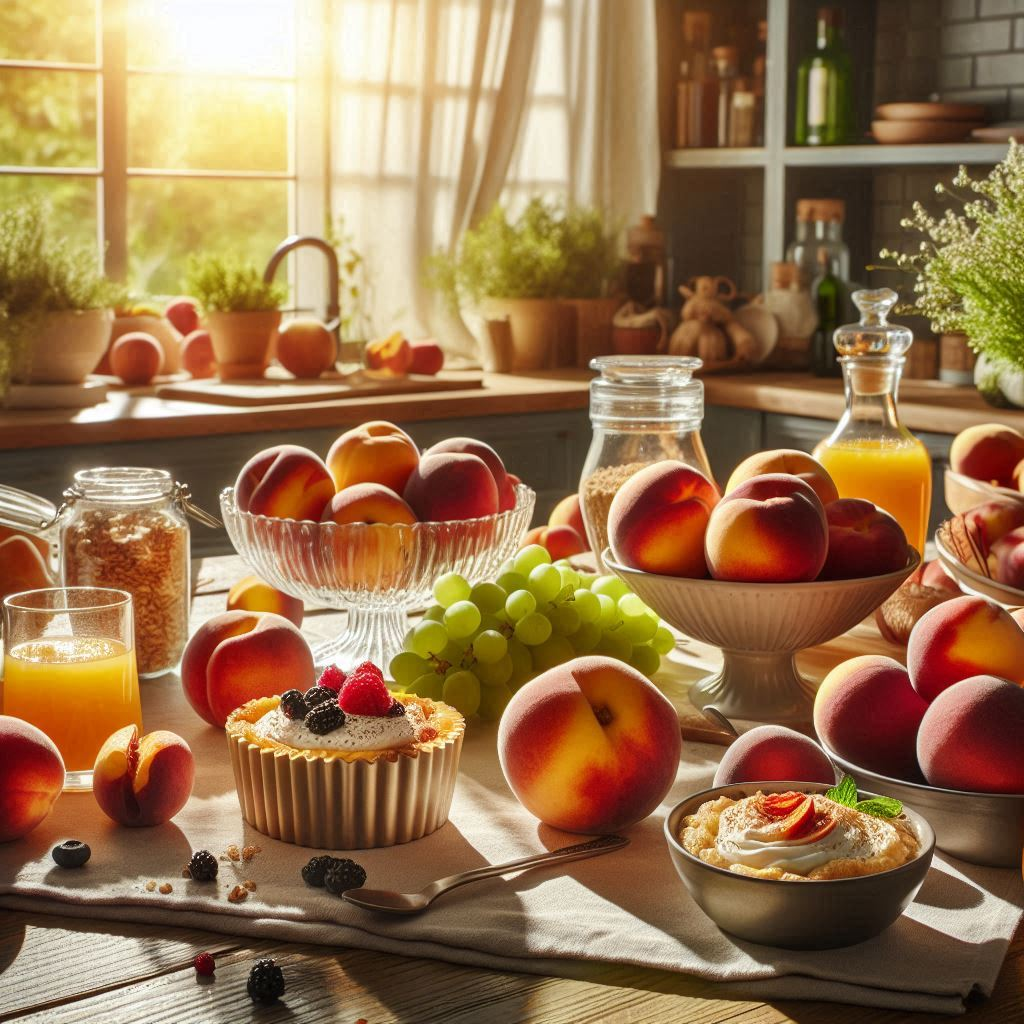
Summertime brings plenty of opportunity to enjoy fresh fruits, especially a flavorful, juicy peach. Local farmers’ markets and orchids are busy picking peaches to deliver to anxious peach lovers. Whether you enjoy a peach by itself or use your peaches for canning and baking, National Peach Day is here to encourage you to celebrate this wonderful food holiday.

Brief History of Peaches in the U.S.

The history of the peach begins in China and Central Asia dating back 4,000 years. However, peaches were not just a delicious food, they were also an expensive and highly traded commodity along the ancient Silk Road in Asia. The Silk Road is one of the most important trade routes in history that allowed for goods to be transported between East and West Asia. Transporting peaches on the Silk Road led to introducing the fruit to other parts of the country, and eventually the world.

Peaches made their way to the U.S. some time during the 17th century. Settlers from Europe and Spain began cultivating peaches upon arrival. However, it’s uncertain who receives credit for introducing them first. Spanish explorers and missionaries were known to bring peach pits to Florida and Southwest and planting them. English settlers began cultivating peaches in Virginia around the same time. It’s possible both Spanish and English settlers receive equal credit because of the location they landed and began growing peaches.

Production of peaches happens along the south eastern and southern parts of the country. Peach farmers work to provide peach varieties that grow well in different parts of the U.S. Peach farming requires dedication, knowledge, and in-depth management to maintain healthy peach orchids. However, peach farmers are passionate about their work to provide delicious peaches to consumers. They work endless hours growing, managing, and harvesting peaches to transport to markets, grocery stores, and other destinations. Thanks to these hardworking people, we are able to use peaches in dishes, desserts, sauces, and preservatives daily.

Did you know?

In Chinese culture, peaches are a symbol of immortality and longevity.

6 FAVORITE PEACH VARIETIES

  1. Elberta peaches are one of the most popular peaches available. They are juicy and have a sweet, yet tart flavor. Some people say Elberta peaches are the best peaches for canning.
  2. White peaches are pale with creamy skin sweet flesh. They have a strong floral aroma and are often enjoyed in desserts and salads.
  3. Yellow peaches come in shades of orange and yellow and have a classic peach flavor. You can frequently find these peaches grocery stores.
  4. Clingstone peaches come in different sizes and colors. These peaches are a more common peach for making preservatives.
  5. Freestone peaches a popular peach for fresh eating because of their juicy flavor.
  6. Georgia Belle peaches are an early-season peach with a yellowish-red skin and sweet flavor. This peach is normally the first summer peach.

Peaches offer several health benefits. They are low in calories and are a good source of vitamins, including vitamins A and C. They contain beta-carotene and flavonoids, which are beneficial for fighting heart disease and anti-inflammatory disease. Peaches also promote healthy skin and boost the immune system, too. In fact, peaches contain high amounts of antioxidants to help protect cells from damage caused by free radicals. Best of all, eating peaches is twice as good knowing you are promoting good overall health every time you take a bite!

Explore More…

NATIONAL PEACH DAY CELEBRATION

  1. Visit a peach orchid or a local farmers’ market. Picking your own peaches allows you to choose the ripest and most fragrant peaches.
  2. Try a few recipes using peaches. We recommend trying peach cobbler. It’s quick, easy, and tastes delicious!
  3. Find a peach festival and celebrate with other peach lovers!
  4. Host a peach party! Include a peach theme with as much peach inspired food as possible.
  5. Share your recipes, photos, and peach growing tips on social media and tag #NationalPeachDay to celebrate this yummy food day.

NATIONAL WAFFLE DAY

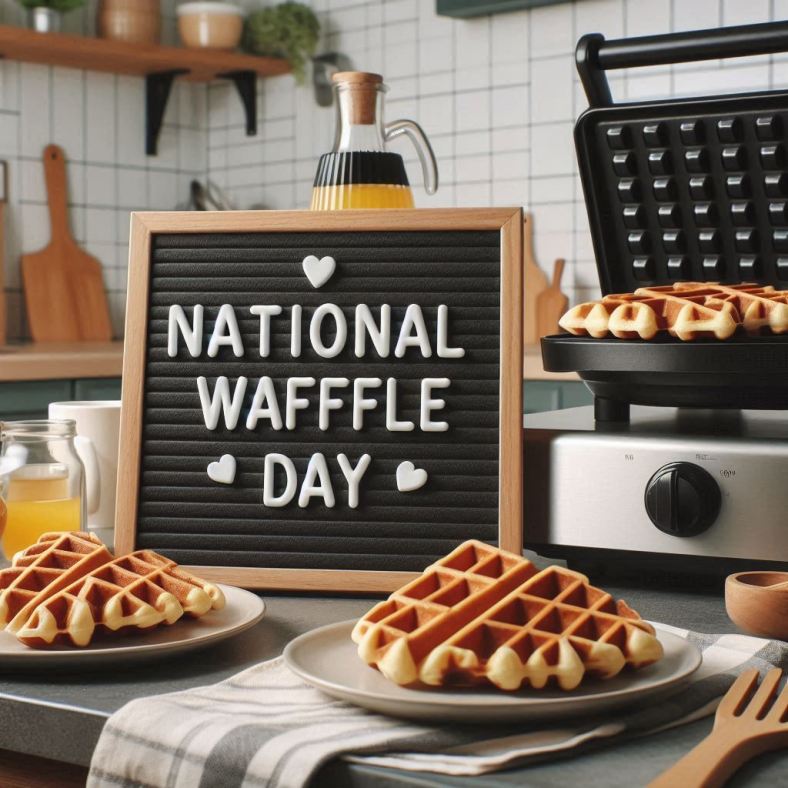
National Waffle Day on August 24th commemorates the anniversary of the first waffle iron patent issued. Celebrate by savoring your favorite kind of waffle!

On August 24, 1869, Cornelius Swarthout of Troy, New York received his patent for the waffle iron. While waffles existed long before then, the invention made waffles more readily available.  

Eaten throughout the world, a waffle is a leavened batter or dough. When cooked between two patterned plates, the dough bakes in the waffle’s characteristic uniform impressed surface. Waffles also come in many forms. Depending on the type of batter or iron used, the resulting waffle varies by consistency, size, shape, and flavor.  

Waffle irons and waffles originated around the 14th century.  An anonymous husband penned the first known waffle recipe as a set of instructions for his wife.  According to the manuscript, Le Ménagier de Paris, each of the four recipes began: 

Beat some eggs in a bowl, season with salt and add wine. Toss in some flour, and mix. Then fill, little by little, two irons at a time with as much of the paste as a slice of cheese is large. Then close the iron and cook both sides. If the dough does not detach easily from the iron, coat it first with a piece of cloth that has been soaked in oil or grease. 

  •  1911 – First electric waffle iron introduced by General Electric.
  • 1953 – Frank Dorsa’s Eggo Frozen Waffles are sold in Supermarkets for the first time.
  • 1964 – Belgian Waffles debut at New York’s World’s Fair.

Explore More…

HOW TO OBSERVE #NationalWaffleDay

Enjoy your favorite waffle recipes. Or visit a local restaurant for some fresh served waffles. Restaurants across the country specialize in waffles, crafting delicious combinations for every meal of the day. No matter your preference, there’s a waffle for you!

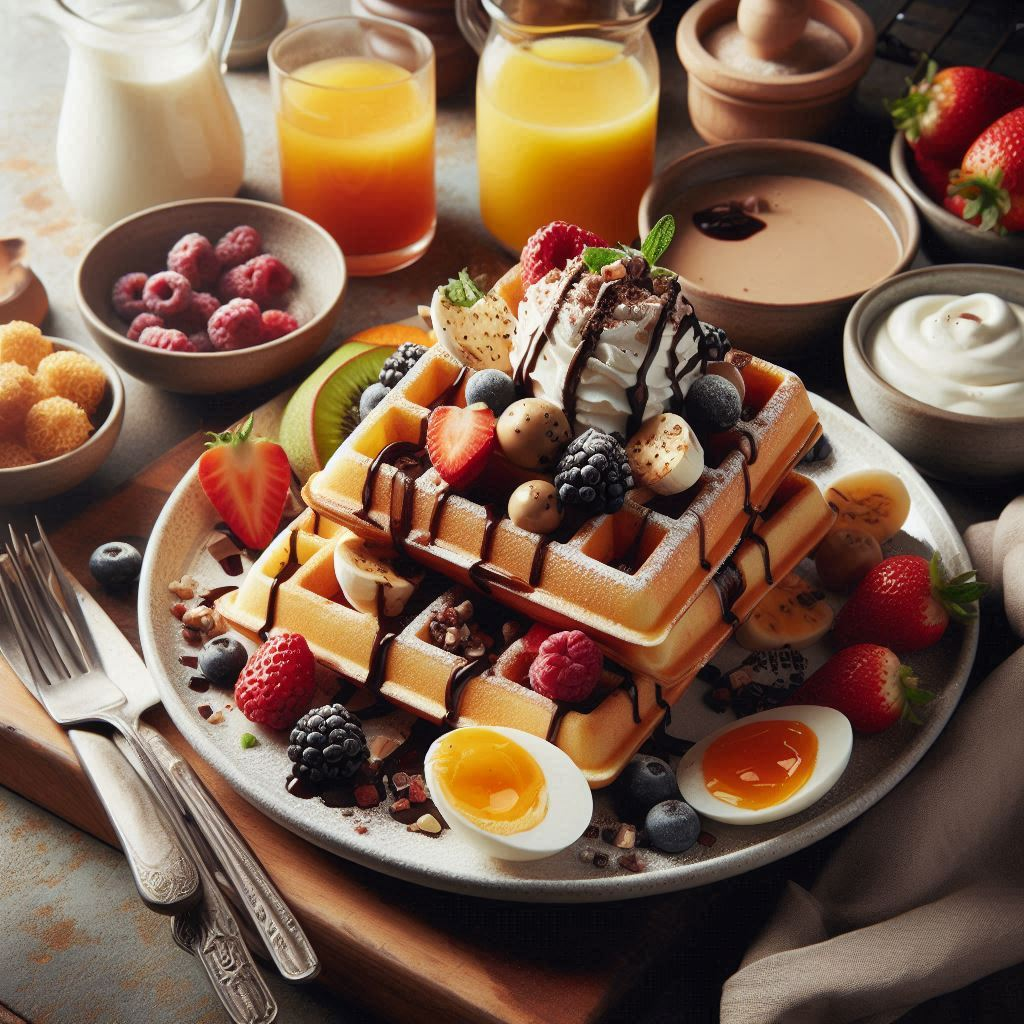
Invite friends over for a waffle making party. Set up a buffet with fresh fruit, syrups, and nuts. Ask them to bring their best ingredients and get tasting! You never know what you’ll discover. Make it breakfast, brunch, snack or dessert, waffles are very versitile.

True Belgian WafflesClassic Buttermilk WafflesApple Cinnamon WafflesBanana Oatmeal Buttermilk WafflesBest Chocolate Chip Waffles

Use #NationalWaffleDay to post on social media.

WORLD HONEY BEE DAY

World Honey Bee Day is the third Saturday in August and brings a buzzing celebration for beekeepers, honey lovers, and all blooming things.

The day recognizes both the honey bee and the beekeepers who tend the hives. It also encourages everyone to enjoy and buy locally grown honey.

Another important part of the day includes learning about honey bees and providing them with a supportive environment. When we plant wildflowers, orchards, and other flowering plants, we support pollinators such as honey bees. They depend on the nectar of a variety of plants for their survival. Conversely, we depend on honeybees for our survival, too! Without their pollinating abilities, many nutritious plants wouldn’t reproduce.

Besides, their delicious honey is an added bonus. We enjoy it in our baking, teas, and confections.

Honey bees do sting, but only if they perceive a threat – damage to their hive or being swatted at. Since they seek sweet nectar, sugary drinks and sweets will attract honey bees when flowers are not blooming yet.  So, keep your beverages covered. If a honey bee comes close, either hold still or move slowly away. The honey bee will fly along to the next sweet thing as long as it doesn’t feel threatened.

WORLD HONEY BEE DAY HISTORY

World Honey Bee Day began as National Honey Bee Day in 2009 with a proclamation issued by the Secretary of Agriculture, Thomas J. Vilsek. The day grew rapidly bringing awareness to the benefits and environmental needs of honey bees.

Honey Bee FAQ

  1. What does a beekeeper do?Also known as an Apiarist, a beekeeper is responsible for maintaining hives. This may include inspecting for disease and other issues, replace the queen bee if needed, provide forage or bee food, offer pollination services, and harvest honey.
  2. How many honey bees live in one hive?One honey bee colony can have a population of 20,000 to 60,000 bees.
  3. How much honey does one hive produce?It all depends on the availability of nectar and the health of the hive. Season of drought, rain, or disease will impact a hive. When conditions are ideal a healthy hive can produce up to 200 pounds of honey per year.
  4. How many queens does a honey bee colony have?One. If the queen dies, the hive or the beekeeper will replace her. The hive also consists of male bees called drones and female worker bees.

6 WAYS TO CELEBRATE WORLD HONEY BEE DAY

  1. Collect and spread local wildflower seeds to promote honey bee pollination.
  2. Flavors of honey vary depending on the variety of flowers and nectar available to the bees.
  3. Clover, alfalfa, lavender, orange, and chestnut are just a few to choose from.
  4. Replace your usual sweetener with honey for the day. Taste the difference!
  5. Give the gift of honey to a friend, neighbor, co-worker or family member.
  6. Share your sweet honey stories on social media tagging #WorldHoneyBeeDay.

NATIONAL S’MORES DAY

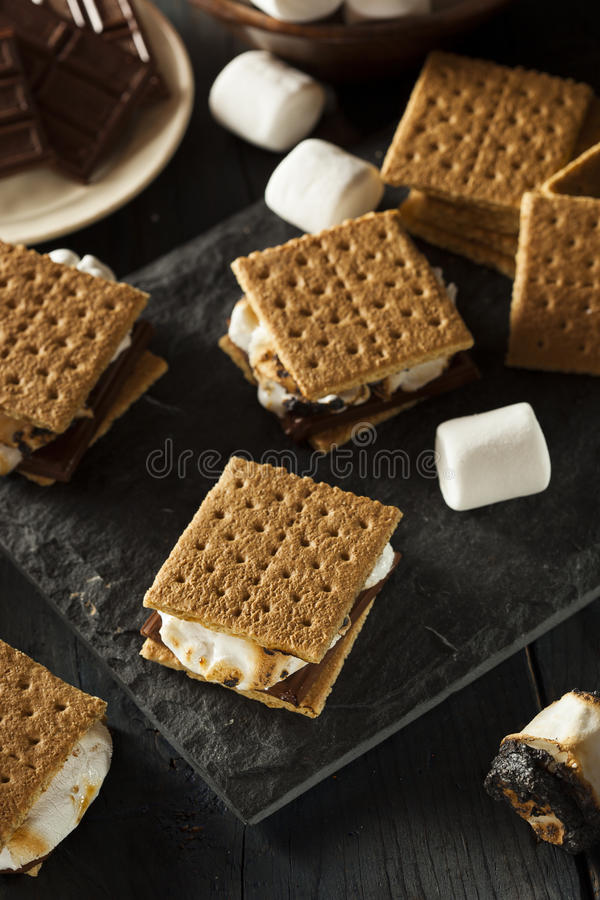
National S’mores Day on August 10th recognizes the most popular campfire treat! Millions of people of all ages love this gooey, toasted treat. 

S’mores consists of a roasted marshmallow with a layer of chocolate bar sandwiched between two pieces of graham cracker.

Nostalgia SMM200 Indoor Electric Stainless Steel S'mores Maker with 4 Compartment Trays for Graham Crackers, Chocolate, Marshmallows and 2 Roasting Forks, Brown

by Nostalgia
Nostalgia SMM200 Indoor Electric Stainless Steel S’mores Maker with 4 Compartment Trays for Graham Crackers, Chocolate, Marshmallows and 2 Roasting Forks, Brown

by Nostalgia

The origin of this tasty snack is credited to the entrepreneur Alec Barnum. However, the first recorded version of the recipe can be found in the 1927 publication of Tramping and Trailing with the Girl Scouts.  Even though the Girl Scouts were not the first ones to make s’mores, Girl Scout groups describe them in their reports as early as 1925. Earlier recipes used the name “Some Mores.”  It is unclear when the word “S’mores” became the more common name.

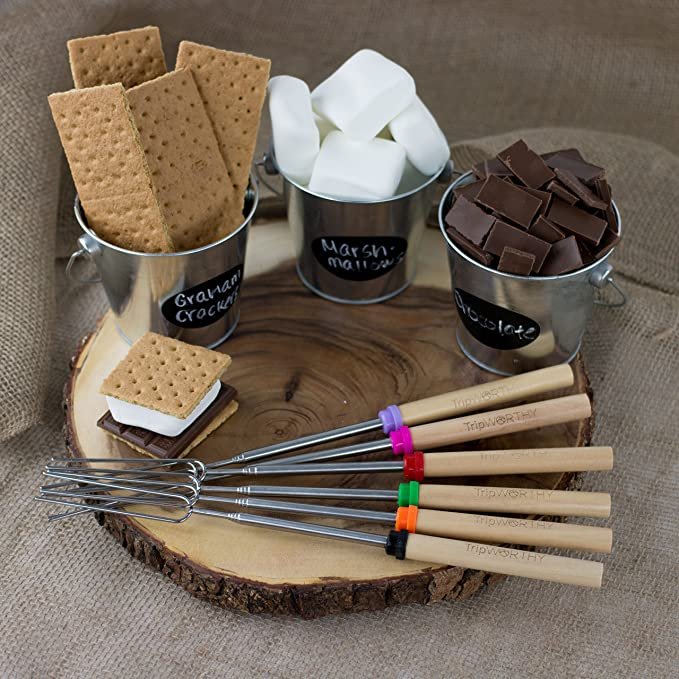
TripWorthy 15469 Marshmallow Roasting Sticks & Bonus 10 Bamboo Skewers (Kid Friendly) - Set of 8, 32 Inches, Blue, Red, Green, Orange, Purple, Pink, Yellow, Black

Brand: Tripworthy
TripWorthy 15469 Marshmallow Roasting Sticks & Bonus 10 Bamboo Skewers (Kid Friendly) – Set of 8, 32 Inches, Blue, Red, Green, Orange, Purple, Pink, Yellow, Black

Brand: Tripworthy

Today, many variations on the original s’more find their way around a campfire.

  • Try spreading peanut butter on the graham crackers before adding the other ingredients.
  • Substitute peanut butter cups in place of the chocolate bar.
  • Replace the graham crackers with fudge-dipped cookies.
  • Add banana slices. 

HOW TO OBSERVE #NationalSmoresDay

Try this S’more Bar recipe at home. Enjoy and share with your friends and family. However, if you think s’mores are too messy for you but enjoy the flavor, add the s’more ingredients to delicious desserts. Cakes, pies, dips, trifles also offer a terrific way to enjoy the taste of a s’more. Make it a delicious part of Family Fun Month this August too!

Related Celebrations…

How many different ways can you make a s’more? Use #NationalSmoresDay to post on social media.