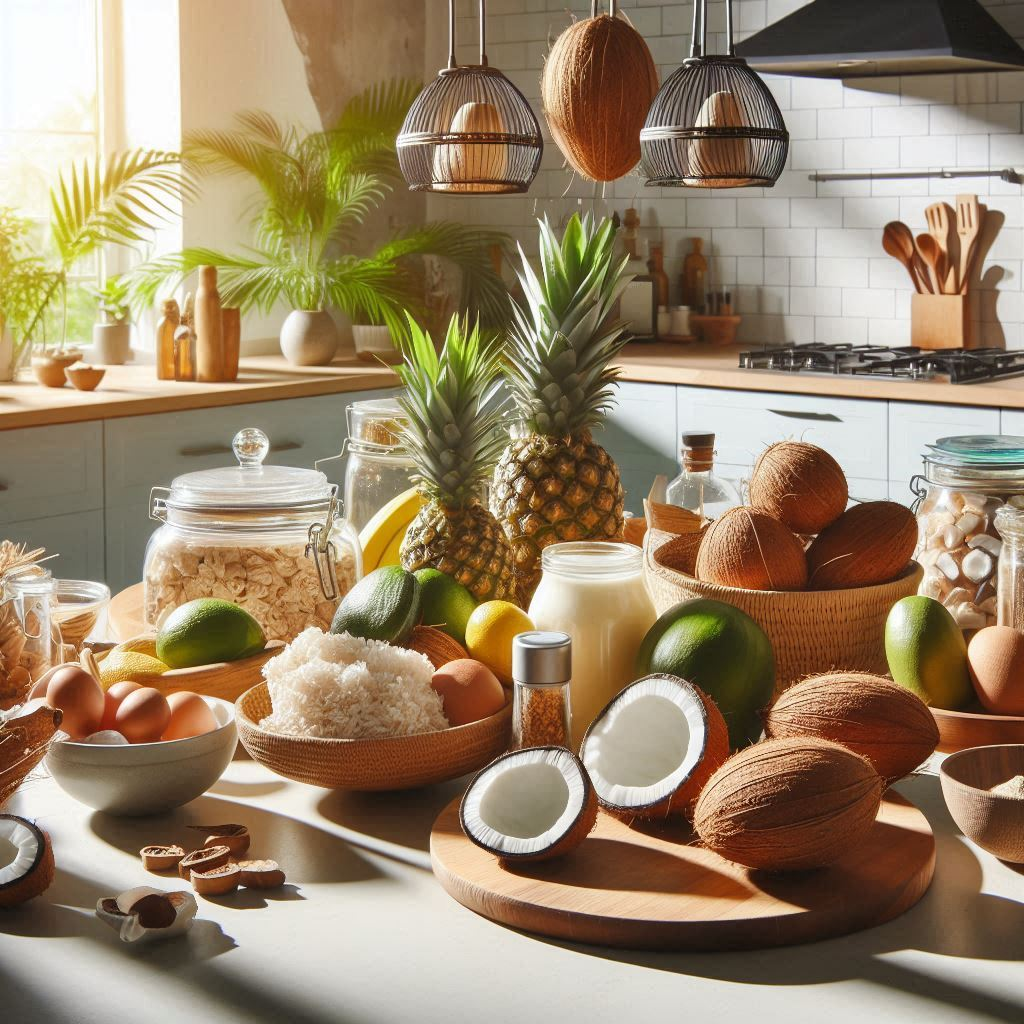
World Coconut Day on September 2nd recognizes the flavorful and aromatic nutrition the coconut brings to many products.
Biologically, the coconut is a seed, nut, and fruit all in one package. However, the term for a one-seeded fruit (nut) is “drupe.” Every part of the coconut is sourced from the water inside the shell to the outer husk. Its oil moisturizes our skin and improves the flavor of our food. The nutrient-rich ingredient is one superfood!
The coconut is full of anti-viral and anti-microbial properties. This nutrient-rich seed provides fiber, Vitamin B6, iron, and minerals.
Grown in tropical areas, the coconut also brings to mind yummy tropical drinks like the pina colada. We can use coconut milk to make ice cream, sauces, and soups.
In 1998, the Asian and Pacific Coconut Community declared World Coconut Day to bring awareness to the powerful nutrients and versatility of this superfood.
Crack open a coconut! Learn all the ways to cook with this plentiful nut (um, seed…fruit…drupe). See how many ways you can use the coconut. Will be the oil as a lip balm? Or will you use the milk for a sauce? This versatile ingredient calls for experimentation and adventure.
Share your celebrations using #WorldCoconutDay on social media.
All September long, Baby Safety Month highlights the importance of providing babies and families with safe, quality products.
Children are a precious commodity. Parents and caregivers strive to provide the safest environment for children. Putting children’s safety first is a high priority. That not only means protecting them where they live but also protecting them from dangerous products.
For babies, every room in the home poses safety concerns. The paint on the walls, the temperature of the water, cleaners under the sink all present risk factors. But there are actions parents and caregivers can take to protect babies. These are just a few:
13 Baby Safety Tips
Anchor large pieces of furniture and televisions.
Place gates at the tops and bottoms of stairs.
Cover outlets.
Remove blinds and curtains with long or looped cords.
Install smoke detectors and test twice a year.
Add a fire extinguisher to every level of the home.
Put safety latches on cabinet doors and the toilet.
Check the thermostat on the hot water heater; install a temperature guard.
Remove toys with pieces small enough to swallow. Throw away broken toys.
Test old paint for lead. Have it removed or sealed.
Place bumpers on sharp corners.
Remove poisonous plants.
Complete the registration cards that come with baby furniture, supplies, and toys. If there is a recall, you’ll be notified.
Babies keep parents and caregivers busy, but these are just a few steps to help make their jobs less stressful and keep their small humans safe.
BABY SAFETY MONTH HISTORY
The Juvenile Products Manufacturers Association founded Baby Safety Month in 1983 as Expectant Mother’s Day. Over the years the celebration has grown into a full month of information, education, and focus on infant safety.
Explore More…
National Safe Toys and Gifts Month
National Seat Check Saturday
National Bath Safety Month
HOW TO OBSERVE #BabySafetyMonth
Visit the Juvenile Products Manufacturers Association (JPMA) website for more Baby Safety Tips. Take the time to explore your home and car from a baby’s eye view. Crawl around on the floor and see what your baby sees. You might discover some safety hazards that need immediate attention.
Make sure your baby is safe and use #BabySafetyMonth to post on social media.
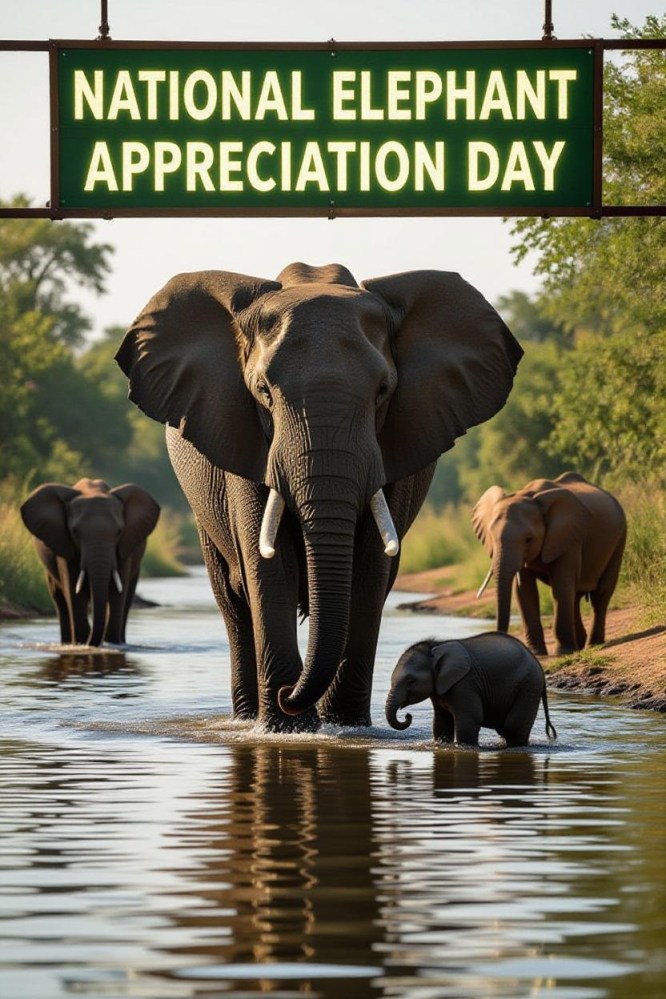
If you didn’t remember September 22 is National Elephant Appreciation Day, it’s fine. We’re sure the elephant probably didn’t forget.
People of all ages are fascinated by elephants. Discover some interesting facts about them to celebrate with us!
These captivating and social animals live between 60 to 70 years. Like humans, elephants develop remarkably close family bonds. Two species, the African Savannah and Asian elephant, exist. However, recently scientists suggested that the African Forest elephant is also a unique species and not a subspecies.
Each day, poachers kill approximately 100 elephants for their ivory, meat, bones, and skin.
These pachyderms are closely related to rhinoceroses and hippos. In fact, pachyderm describes thick-skinned animals with hooves or nails similar to hooves. While the African elephants outgrow the Asian, both hold the prize for the largest land mammal on earth. However, there are some differences between the species, though.
Differences Between African & Asian Elephants:
The African elephant grows larger ears.
In the Asian species, only the male grows tusks. However, in the African, both male and female elephants grow tusks.
One of the things that fascinate us about elephants is their trunk. It’s super sensitive. At the end, a small finger-like appendage grows. The appendage, also known as a lobe, gives elephants the ability to pick up small twigs, bits of grass and other items. On the Asian elephant, the lobe grows at the top tip of the trunk. However, the African elephant grows a lobe at the top and bottom, giving it extra pinching dexterity.
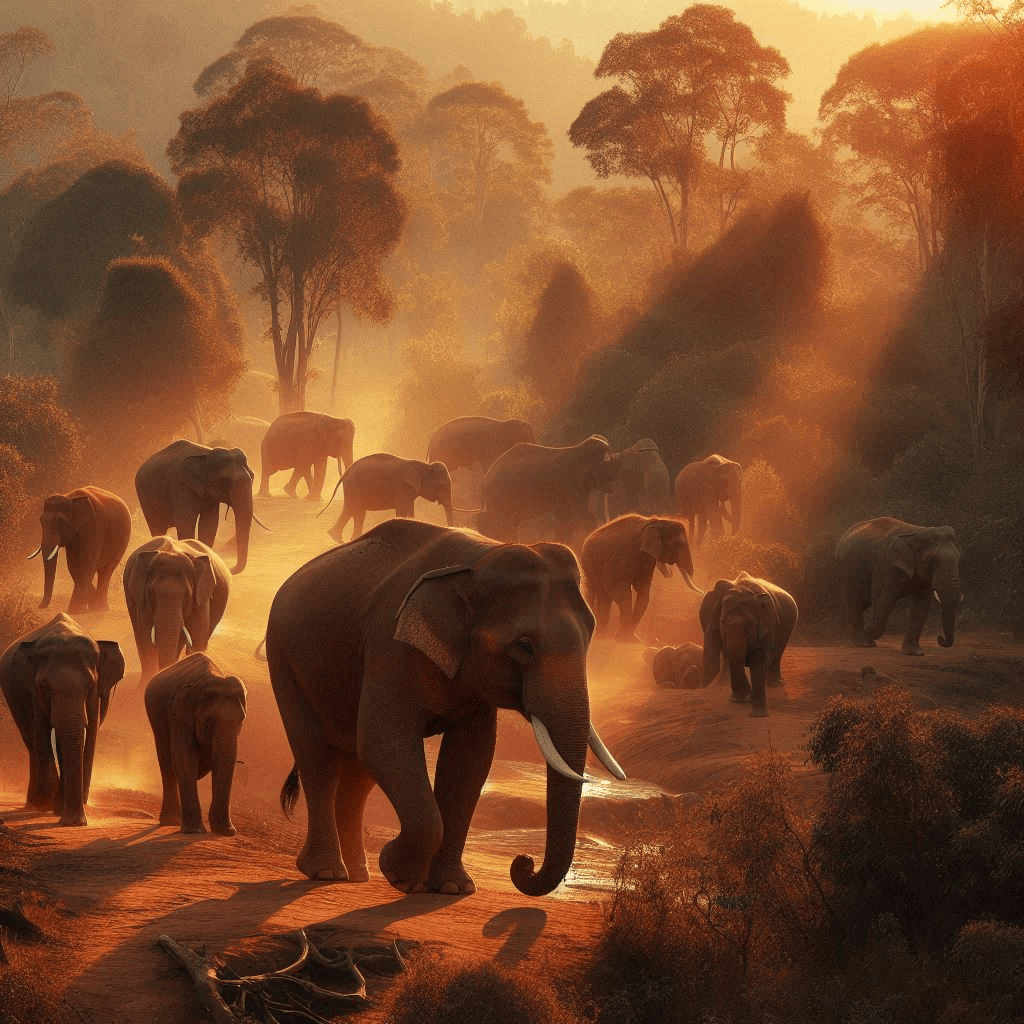
Both species live in herds. The herds are led primarily by a matriarch and comprised of sisters, daughters and their young. As the males grow, they move off on their own. Asian herds tend to be smaller than the African herds.
While both species are herbivores, their diets vary based on the available habitat.
Elephants are spirited and playful animals. Have you ever seen them frolic in the water? And they will defend their own with their mighty tusks. Whether foraging for food or digging a mud hole, their tusks are vital for survival. Since hunters value the ivory more than the life of the elephant, they endanger the continued existence of these majestic animals.
Do elephants never forget? Well, studies have determined that elephants have excellent memories. They remember vital locations over large areas of land. Elephants also show recognition of faces and other elephants even after a long time has passed. And while we may be forgetful from time to time, we don’t recommend forgetting this holiday!
NATIONAL ELEPHANT APPRECIATION DAY HISTORY
National Elephant Appreciation Day originated in 1996 to raise awareness concerning the plight of elephants.
The word “pachyderm” is often used in reference to an elephant. However, the elephant isn’t the only pachyderm in the world. The obsolete term was once a classification of animals which also included hippopotamuses, rhinoceroses, pigs, and tapirs.
Elephants do sleep standing up, though not all the time. Wild elephants will spend more time sleeping standing up than their captive relatives.
Don’t forget to celebrate the Elephant on September 22nd! Show your appreciation today by visiting the elephants at your local zoo. Get involved. Learn about conservation and eliminating poaching.
As summer gently fades into autumn, September invites us to savor the beauty and warmth of this transitional month. With its crisp air, vibrant foliage, and comforting traditions, September is a time to reflect, recharge, and reconnect with ourselves and our loved ones.
Weather and Changing Seasons
September is a month of contrasts. In many places, warm days linger, allowing us to bask in the sun’s glow before the chill of winter sets in. As the leaves begin to change, we witness nature’s stunning transformation:
Early September: Expect warm, sunny days with temperatures often in the 70s and 80s (Fahrenheit). It’s perfect for outdoor activities and enjoying the last of summer’s bounty.
Late September: The air cools significantly, often dipping into the 50s and 60s. Sweaters and cozy blankets make their return as we prepare for the autumn chill.
This month serves as a gentle reminder to embrace change, both in nature and within ourselves.
Ads by Amazon curated by Jen’s Perspective see more on our storefront
September is rich with symbolism, particularly in its birthstones and zodiac signs:
Birthstone: The sapphire, symbolizing wisdom, loyalty, and nobility. Its deep blue hue is reminiscent of the clear autumn sky.
Zodiac Signs: Virgo (August 23 – September 22) and Libra (September 23 – October 22). Virgos are known for their practicality and attention to detail, while Libras epitomize harmony and balance.
Famous birthdays this month include:
Freddie Mercury (September 5)
Beyoncé (September 4)
Agatha Christie (September 15)
Stephen King (September 21)
Each of these figures has left an indelible mark on their respective fields, reminding us of the creativity and inspiration that can blossom in this month.
Cozy Activities to Embrace September
As the air turns crisp and the days grow shorter, it’s the perfect time to indulge in some cozy activities. Here are a few ideas to make the most of September:
Nature Walks: Take a leisurely stroll through a local park or nature reserve to witness the changing leaves. Bring along a thermos of hot cider for an extra touch of warmth.
Baking Days: September is ideal for baking seasonal treats. Try your hand at apple pies or pumpkin bread, filling your home with comforting aromas.
Book Nook: Create a cozy reading corner with soft blankets and pillows. Dive into a good book, perhaps one by a beloved September birthday author.
Crafting: Start a DIY autumn project, whether it’s creating decorative wreaths from fallen leaves or knitting scarves to prepare for the colder months.
Movie Nights: Host a movie marathon featuring fall-themed films. Snuggle up with popcorn, hot chocolate, and your favorite cozy blankets.
Harvest Festivals: If possible, attend local harvest festivals or farmer’s markets. Enjoy the seasonal produce and connect with your community.
Mindfulness Moments: Take time for reflection and mindfulness. Consider journaling about your hopes and goals for the coming months or simply enjoy a moment of stillness outdoors.
Embracing the Spirit of September
September is a month that encourages us to slow down, appreciate the beauty around us, and indulge in the simple joys of life. Whether it’s through the warmth of family gatherings, the thrill of birthdays, or the serenity of nature, let this month be a reminder to savor every moment. As we transition into autumn, may we carry the light of summer in our hearts and embrace the cozy changes ahead.
What cozy activity are you looking forward to this September?
Ads by Walmart curated by Jen’s Perspective visit our storefront
We all learn something every day whether we realize it or not. Self-Improvement Month in September encourages us to make a conscious effort to improve ourselves.
Self-improvement means something different to everyone. However, the basis for any self-improvement goal is learning. Whether we want to master a new skill, take an introspective look at our spiritual lives, scale the career ladder or overcome an obstacle, we must learn to make that improvement. The path we choose to take toward self-improvement is also as varied as the goals we set. Some goals might include:
Eating healthier
Reading more
Reducing screen time
Finding peace
Connecting with nature
Finding love
Learning to cook
Speaking a second language fluently
Getting more exercise
Learning to communicate
Reducing stress
Returning to school
Developing patience
Libraries and bookstores are full of books that help us to improve ourselves. They cover every topic listed above and thousands more. You can also find blogs, webinars, and courses to help you on your self-improvement journey. The month encourages everyone to explore the ways in which we can improve. It may involve tasks left undone, dreams, a career goal, family life, or any number of facets of our life. Take the month to explore all the possibilities and keep learning!
SELF-IMPROVEMENT MONTH HISTORY
In the 1980s, organizations began promoting Self-Improvement Month with seminars, books, and informational pamphlets. By 1988, the observance coalesced into a nationwide event every year in September.