
🦋 Welcome to Jen’s world
Small Moments…
Big Joys
Travel · Food · Home · Health · Heart
A lifestyle blog by a disabled woman with a unique perspective — finding beauty in lavender mornings, mountain views, butterflies, and the quiet joy of a warm mug by the window.
Explore by Theme

🦋 Travel
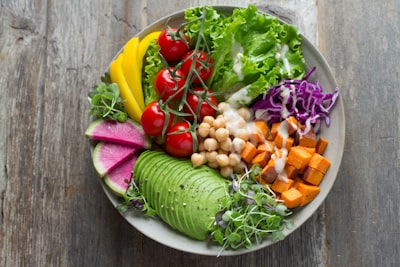
🦋 Recipes
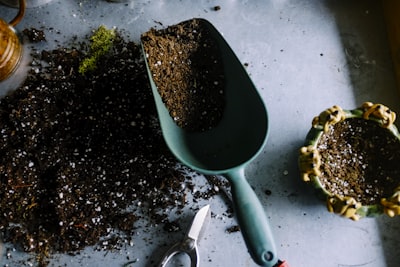
🦋 Home & Garden

🦋 Fashion & Style

🦋 Healthy Living
🦋
Stay Connected
Get the latest posts, recipes, travel tips and more delivered to your inbox!
Latest from the Blog
-
 accolade, Celebration of Life, coupon, Discovery, donations, family, family traditions, friendship, Road Trip, self care, States
NATIONAL SQUARE DANCE MONTH
Swing your partner and dosey-do, don’t let go. September is National Square Dance Month, here we go! Square…
-
 accolade, adult beverage, adult juice slush, adults, agenda, airline boarding pass, alarm clock, Alexa, Amazon, Amazon Music, Amazon Prime, Amazon Prime Video, America, amusement, animals, anniversary, appreciation, Army, art, arts, astronomy, Athletic, authors, baby, back yard, baking, balloon, barbeques, baseball, basket ball, beach, beautiful, beauty, beverage, bibliophile, biking, Bingable, blog, blues music, bluetooth, board game, books, Brands, brothers and sisters, brunch, business, businesses, cake, camera, candy, Celebration of Life, cell phone, characters, chat, cheer, children, chinese, chips, chocolate, citrus, classics, Clean, cleaning house, climate, climate friendly, closet, clothing, Coast Guard, coastal, cocktail, coffee, cold, Collectables, comedy, comfort, community, companion, convention, cookies, cooking, cool, cozy, dance, date night, dinner, discount, Discovery, drink, Easter, eco-friendly, educate, electronics, emergency preparedness, encourage, entertaining, everyday, exercise, exploring history, family, family time, family traditions, fishing, flavor, flower, food, fragrance, freebies, freedom, fresh flowers, friends, friendship, fruit, fun, funny, games, garden, gardening, yard decor, exterior design, Geek, german American, giving, glasses, goals, golf, Google, gratitude, Greek, guitar, gulf coast, health and beauty, healthy, Hispanic American, history, hobby, home, home decor, home renovation, Homemade, hosting, hot, house work, household, houseplants, hurricane, ice cream, inspiration, inspire, inst a cart, instagram, internet, inventions, invitation, iPhone, ipod, irish, Italian-American, itunes, iwatch, jamaican, Japanese, jewelry, Jewish American, Juice slush, keto, kindle, kitchen, Korean American, laugh, learn, leisure, lifestyle, love, luau, lunch, luxury, meditation, memories, men, mom, movies, music, native American, natural disaster, nature, near me, nurture, outdoors, party, patriotic, Peaceful, pets, Philippines, photography, picnic, Pintrest, playlist, pod cast, podcasts, Polish American, pool, popsicle, population, Positivity, read, recycle, relax, resort, restaurant, Retailers, Road Trip, sandwich, Scottish-American, seafood, season, serve, share, shopping, smart glasses, smart tv, smart watch, smile, smoothie, snack, social media, special pricing, sports, Spring, Star Trek, Star Wars, Starbucks, stars, States, story, strawberry, summer, sun, sun protection, sweet, swimming, swimming pool, tablet, tailgate, tea, teach, technology, teen, teenager, teens, telescope, Television, traditional, traffic updates, trail mix, travel, Trivia, tropical punch, United States of America, Unplugging, vacation, vanilla ice cream, vegan, vegetarian, Veteran, Vintage, volunteers, warm, water conservation, waterfalls, watermelon, wine, women, work, yoga, young adults
Ready for Summer 2025
As the summer of 2025 approaches, the shopping landscape is set to be more exciting and innovative than…
-
 accolade, adoption, adults, agenda, Amazon, Amazon Prime, America, appreciation, Apps, autumn, awareness, blog, books, brothers and sisters, causes, Celebration of Life, celebrity, characters, classics, college, community, Discovery, empower, EMT, encourage, exercise, explore, exploring history, fall, family, February, fish, food, freedom, friends, friendship, giving, goals, Google, health, heart health, heritage, history, inspiration, inspire, iPhone, ipod, keto, kindle, learn, lifestyle, medical, men, Military, mom, monthly observations, nursing, nurture, Pintrest, population, Positivity, protect and serve, relax, reminders, Retailers, romance, self care, seniors, share, smile, social media, strategy, summer, technology, travel, Trivia, United States of America, winter, women
NATIONAL HEART MONTH
February focuses on the heart making it National Heart Month. Anyone can be at risk for heart disease.…
-
 accolade, Adopt, Amazon Prime, America, appreciation, autumn, awareness, blog, books, Celebration of Life, celebrity, cooking, Diets, Discovery, encourage, explore, exploring history, fall, February, friendship, fruit, heritage, inspiration, lifestyle, men, Positivity, restaurant, Retailers, self care, serve, smile, soup, Spring, States, story, tablet, United States of America, warm, winter
AMERICAN HEART MONTH
American Heart Month isn’t just for lovers. February also reminds us to take care of our hearts and…
