
🦋 Welcome to Jen’s world
Small Moments…
Big Joys
Travel · Food · Home · Health · Heart
A lifestyle blog by a disabled woman with a unique perspective — finding beauty in lavender mornings, mountain views, butterflies, and the quiet joy of a warm mug by the window.
Explore by Theme

🦋 Travel
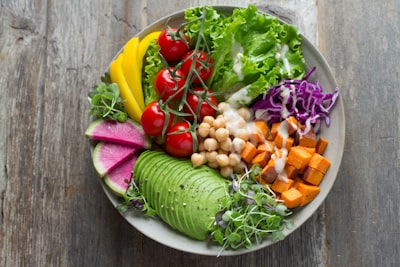
🦋 Recipes
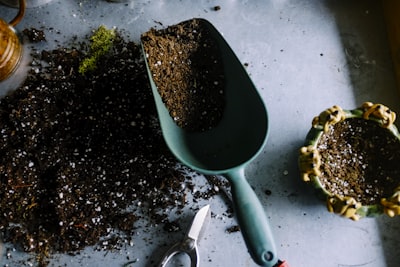
🦋 Home & Garden

🦋 Fashion & Style

🦋 Healthy Living
🦋
Stay Connected
Get the latest posts, recipes, travel tips and more delivered to your inbox!
Latest from the Blog
-
 accolade, adults, Amazon, Amazon Fresh, Amazon Prime, America, appreciation, autumn, back yard, bakery, baking, baklava, banana, barbeques, beach, beauty, bee, beverage, blog, books, Brands, bread, breakfast, brothers and sisters, brunch, butterflies, butterfly, cake, Celebration of Life, characters, children, chinese, classics, Clean, cocktail, comfort, community, condiments, cookies, cooking, desserts, Diets, Discovery, educate, encourage, entertaining, environment, explore, exploring history, fall, family, farmers market, flavor, food, freedom, friends, friendship, fruit, fudge, Gala, Geek, german American, gifts, Gluten free, goals, Google, granola, gratitude, Greek, Greek yogurt, grocery shopping, health, health and beauty, Hispanic American, history, Homemade, honey, honey bee, honey month, hosting, household, inspiration, inspire, instagram, international, irish, Italian-American, Japanese, Jewish American, kitchen, Korean American, learn, lifestyle, luxury, memories, men, monthly observations, movies, muffin, native American, nature, near me, nurture, nuts and seeds, pancake, pantry, peach, peaches, Philippines, Pintrest, Pollinators, population, pumpkin, read, Recipes, relax, remedy, remember, restaurant, Retailers, sauces, Scottish-American, seafood, September, serve, share, Shipt, shopping, smile, smoothie, snack, social media, Spring, summer, sweet, teach, travel, Trivia, United States of America, Unplugging, vegan, women
NATIONAL HONEY MONTH
Honey is a sweet and viscous fluid produced by honey bees, and derived from the nectar of flowers.…
-
 accolade, Adopt, adults, African heritage, Amazon Prime, America, appreciation, autumn, back yard, baking, barbeques, beer, beverage, blog, books, Brands, breakfast, brothers and sisters, casserole, Celebration of Life, chicken, Chicken pot pie, children, classics, cocktail, coffee, community, cooking, Diets, dinner, Discovery, eco-friendly, encourage, explore, exploring history, fall, family, food, garden, Gluten free, goals, grocery shopping, health, history, hobby, Holiday, inspiration, keto, lifestyle, lunch, memories, men, monthly observations, native American Heritage, outdoors, pizza, Pork, pot pie, Recipes, restaurant, Retailers, safety, sauces, seafood, September, serve, shopping, soup, Spring, summer, travel, Trivia, United Kingdom, United Nations, United States of America, vegan, vegetables, winter, women
NATIONAL MUSHROOM MONTH
All through September, National Mushroom Month celebrates the wide variety of mushrooms available. The U.S. Department of Agriculture…
-
 adults, Amazon, Amazon Prime, America, amusement, appreciation, art, arts, astronomy, authors, autumn, aviation, baby, back to school, beach, books, brothers and sisters, bunny, butterfly, cake, calander, camera, Canada, candy, cartoon, casserole, cats, causes, Celebration of Life, celebrity, Celtic, characters, cheer, cheese, children, chinese, Christmas, class, classics, cocktail, coffee, cold, college, comedy, comfort, community, companion, Computer, convention, cooking, crafts, credit, Discovery, drum, drummer, Duck, earth day, earthquake, Easter, ebook, educate, electronics, empower, encourage, entertaining, everyday, exercise, explore, exploring history, fall, family, family time, famous, fashion, fiction, Finance, flight, flower, fluff, food, football, freedom, friends, friendship, fruit, fudge, fun, funny, gamble, games, garden, Geek, gemstone, german American, gift guide, gifts, giving, glasses, Gluten free, goals, golf, Google, graduate, gratitude, Greek, health, herbs and spices, Heroes, high school, Hispanic American, history, hobby, Holiday, home, homework, Honor, hosting, hot air balloon, hotel, hugs, ice cream, independence, inspiration, inspire, instagram, intergalactic, international, inventions, iPhone, ipod, irish, Italian-American, Japanese, jazz, jewelry, Jewish American, kindle, Korean American, laugh, learn, libraries, library, lifestyle, literature, love, lunch, luxury, makeup, managing money, medical, meditation, memories, men, mentor, Mexico, Military, mistletoe, mom, money, monthly observations, moon, mother nature, Museum, mystery, Nancy Drew, National Guard, native American, natural disaster, nature, new Mexico, nursing, nurture, outdoors, Outlander, party, patriotic, Peace, pets, Philippines, photography, piano, picnic, Pintrest, Positivity, puzzle, read, Recipes, relax, remember, reminders, Retailers, save money, school, Scottish-American, screenwriters, search, season, secret service, self care, share, sisters, smart glasses, smile, snack, social media, soft, space, sports, Spring, St Patrick’s Day, star gazing, Star Trek, Star Wars, stars, States, story, summer, sweet, swimming, tablet, tailgate, teach, technology, travel, Trivia, United States of America, universe, Unplugging, vacation, Valor, volunteers, War, warm, waterfalls, website, wedding, wine, winter, women, work, World, write, writting, young adults
NATIONAL BOOK LOVERS DAY
National Book Lovers Day on August 9th harnesses all the excitement bibliophiles feel about books into one celebration. …
-
 Adopt, adults, agenda, Alexa, Amazon, Amazon Prime, America, appreciation, art, arts, astronomy, Athletic, August, autumn, baseball, basket ball, battery, beverage, bibliophile, bicycle, biking, birds, birthday, birthstone, blog, bluetooth, books, Brands, brothers and sisters, brownie, bubble bath, calander, camera, candy, Celebration of Life, characters, children, chinese, class, closet, clothing, college, college dorm, comfort, community, Computer, cookies, crafts, dinner, discount, Discovery, disney, drink, drive through, drum, drums, ebook, eco-friendly, educate, electronics, empower, encourage, environment, environment-friendly, equality, exercise, explore, exploring history, fall, family, famous, fashion, food, football, formal, foster care, fragrance, freebies, freedom, Freezer meal, friends, friendship, fruit, fun, Geek, german American, gifts, giving, Gluten free, goals, Google, graduate, granola, gratitude, Greek, grocery shopping, guitar, gymnastics, health, healthy, high school, Hispanic American, history, household, inspiration, inspire, inst a cart, instagram, internet, inventions, iPhone, ipod, irish, Italian-American, iwatch, Japanese, jewelry, Jewish American, Kindergarten, kindle, Korean American, laugh, learn, library, lifestyle, literature, lunch, manners, mathematics, medical, memories, men, mental health, mom, movies, Museum, music, musical instruments, native American, nature, news, nurture, outdoors, paint, painting, peaches, peanut butter, peanuts, pears, Philippines, phone a friend, photography, piano, Pintrest, pizza, pool, population, Positivity, productivity, prom, read, remember, reminders, Retailers, safety, sales, Samsung, Sandwhich, save money, school, scientist, Scottish-American, screen time, search, season, share, shopping, smart tv, smart watch, smile, smoothie, snack, social media, sock, songs, soup, Spanish, spelling, sports, Spring, star gazing, States, story, strategy, swimming pool, tablet, teach, technology, teen, teenager, teens, telescope, translation, travel, Trivia, tumbling, Uncategorized, United States of America, Unplugging
NATIONAL BACK TO SCHOOL MONTH
Back to School Month in August gears up parents, teachers, schools, and students for a season of education.…
-
 Amazon Prime, America, appreciation, back yard, backyard barbecue, barbeques, beer, blog, Brands, brothers and sisters, cabbage, calander, casserole, Celebration of Life, cheese, cooking, cranberry, Diets, Discovery, Easter dinner, encourage, friendship, giving, Gluten free, grocery shopping, herbs and spices, heritage, inspiration, irish, Italian-American, Jewish American heritage, keto, lifestyle, memories, men, mom, monthly observations, native American Heritage, Positivity, pot pie, restaurant, Retailers, Road Trip, salad, Sandwhich, sandwich, Scottish American Heritage, serve, Shipt, sisters, smile, soup, spices, Spring, States, United States of America, warm, winter
TURKEY LOVERS’ DAY
National Turkey Lovers’ Day on the third Sunday in June each year demands we make room for turkey…