🦋 Welcome to Jen’s world
Small Moments…
Big Joys
Travel · Food · Home · Health · Heart
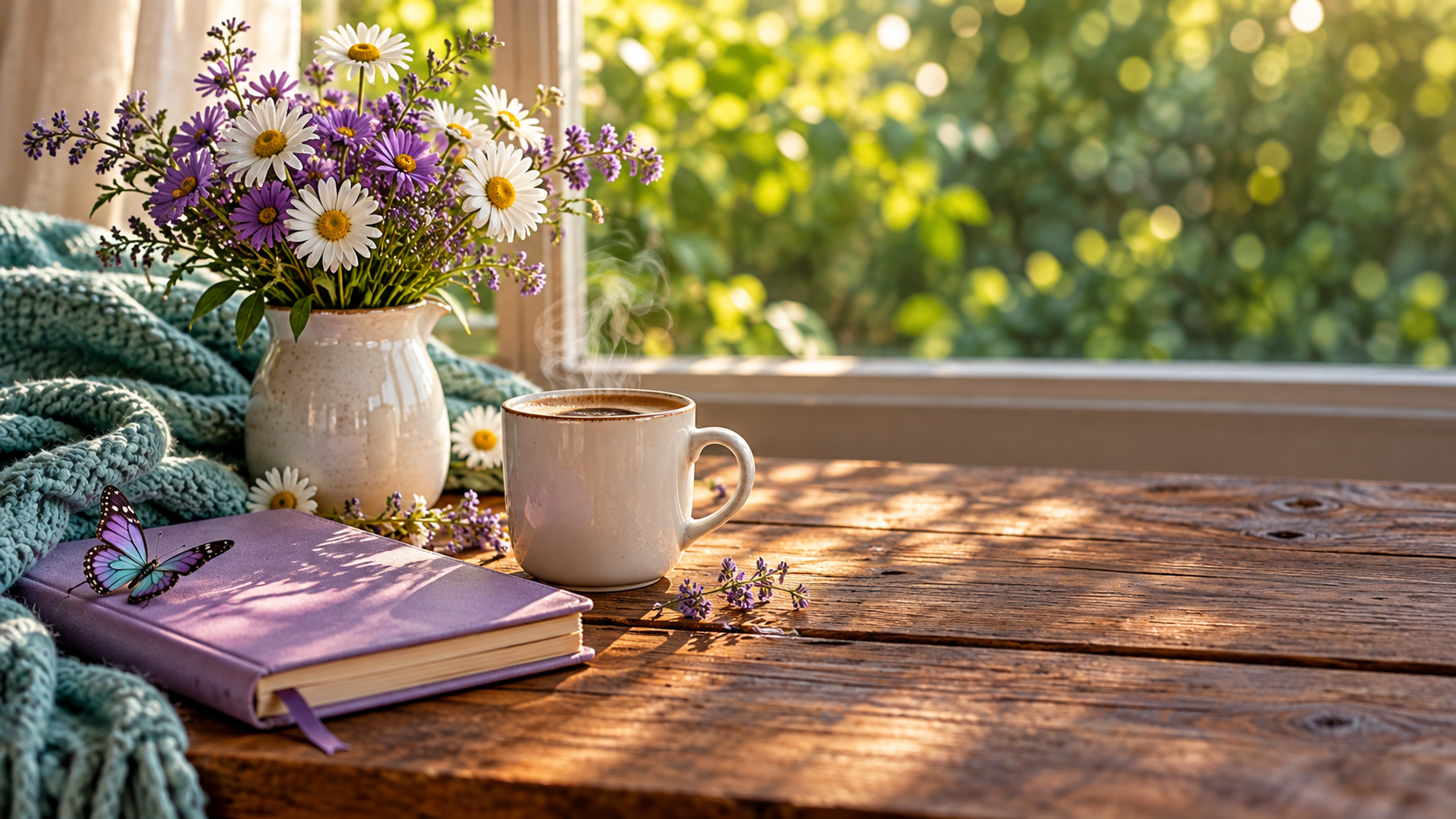
A lifestyle blog by a disabled woman with a unique perspective — finding beauty in lavender mornings, mountain views, butterflies, and the quiet joy of a warm mug by the window.
Explore by Theme

🦋 Travel
🦋 Recipes
🦋 Home & Garden

🦋 Fashion & Style

🦋 Healthy Living
🦋
Stay Connected
Get the latest posts, recipes, travel tips and more delivered to your inbox!
Latest from the Blog
-
 accolade, appreciation, autumn, awareness, baking, Celebration of Life, cooking, Diets, Discovery, encourage, explore, fall, friendship, inspiration, men, Positivity, smile, Spring, warm, winter
NATIONAL FORTUNE COOKIE DAY
We see a time when you will enjoy a crunchy, sweet treat on National Fortune Cookie Day! Each…
-
 accolade, America, animals, appreciation, autumn, awareness, books, Celebration of Life, Discovery, encourage, explore, fall, friendship, girl scout, heritage, inspiration, men, romance, sports, Spring, States, War, winter
NATIONAL I LOVE HORSES DAY
On July 15th we recognize the love of one magnificent creature on National I Love Horses Day! With…
-
 accolade, Adopt, adults, Amazon, Amazon Prime, America, appreciation, authors, bakery, beer, beverage, Bingable, blog, books, Brands, bread, breakfast, brothers and sisters, brunch, butterflies, cabbage, cake, candle, candy, Celebration of Life, celebrity, Celtic, characters, cheesecake, children, classics, Clean, clothing, cocktail, coffee, Collectables, college, comfort, community, contest, cookies, cooking, cool, coupon, cuddle, dance, delivery, desserts, Diets, dinner, Discovery, donut, doughnut, drink, ecards, empower, entertaining, explore, exploring history, family, famous, flavor, food, football, freedom, fresh flowers, friends, friendship, Geek, gifts, giving, goals, Google, gratitude, grocery shopping, herbs and spices, heritage, history, Holiday, hosting, inspiration, inspire, instagram, irish, jewelry, kitchen, late night snack, laugh, learn, lifestyle, March, memories, men, movies, music, organization, outdoors, party, Pintrest, population, Positivity, punch, read, Recipes, relax, remember, reminders, restaurant, Retailers, romance, Scottish-American, season, seniors, serve, share, sisters, smile, social media, songs, Spring, St Patrick’s Day, story, travel, Trivia, United Kingdom, United States of America, Vintage, wine, winter, women
ST. PATRICK’S DAY
St. Patrick’s Day kicks off a worldwide celebration also known as the Feast of St. Patrick. On March…
-
 accolade, Adopt, Amazon Prime, America, appreciation, autumn, blog, Celebration of Life, college, Discovery, explore, exploring history, friendship, household, lifestyle, March, memories, men, Spring, States, story, United States of America, winter
NATIONAL OPEN AN UMBRELLA INDOORS DAY
National Open an Umbrella Indoors Day is observed annually on March 13th. One often wonders how superstitions are passed…
-
 accolade, Adopt, adoption, adults, affirmations, agenda, alarm clock, America, American, amusement, animals, anniversary, Appliance, appreciation, Aquarium, Army, art, arts, astronomy, Athletic, authors, autumn, awareness, baby, back to school, back yard, backyard barbecue, bakery, baking, balloon, ballroom, ballroom dance, banking, baseball, basket ball, bath, bath safety, batteries, battery, beach, beautiful, beauty, beverage, bibliophile, bicycle, bike, biking, Bingable, bird watching, birds, birth, birthday, birthstone, blog, blues music, bluetooth, board game, books, Brands, brother, brothers, brothers and sisters, brownie, brunch, bunny, business, businesses, butterfly, cake, calander, calligraphy, camera, campfire, camping, candle, candy, Cantonese, cartoon, cash back, casserole, cats, causes, Celebration of Life, celebrity, cell phone, champagne, characters, charity, chat, cheer, children, chinese, chocolate, Christmas, Christmas cookies, Cinco de Mayo, Classical Music, classics, closet, clothing, Coast Guard, cocktail, coffee, cold, Collectables, college, color, comedy, comfort, community, companion, computers, constitutional republic, convention, cookies, cooking, cozy, create, cuddle, dance, date night, delivery, desserts, Diets, dinner, Discovery, dog, donations, ebook, educate, electronics, email, emergency preparedness, empower, encourage, entertaining, environment, everyday, exercise, explore, exploring history, fall, family, family home, family movie night, family pet, family time, family traditions, farmers market, fashion, fathers day, festival of lights, fiction, Finance, fishing, flavor, food, food orders, football, fragrance, freedom, friends, friendship, fun, funny, games, garden, gemstone, geography, german American, gifts, girl scout, giving, Gluten free, goals, golf, Google, graduate, gratitude, Greek, grocery shopping, handwritten, health, health and beauty, healthy, heritage, Heroes, Hispanic American, history, hobby, Holiday, home, home decor, Homemade, Honor, hospital, hosting, hotel, household, hugs, immune system, Independence Day, inspiration, inspire, international, internet, inventions, invitation, iPhone, ipod, irish, Italian-American, jamaican, Japanese, jazz, jewelry, Jewish American, jokes, kindle, kitchen, Korean American, Kwanzaa, lakes, late night snack, laugh, learn, leisure, library, lifestyle, literature, love, lunch, luxury, Mail, manners, medical, meditation, memories, men, mental health, mentor, Military, modern, mom, movies, Museum, music, National Guard, native American, nature, near me, nursing, nurture, organization, outdoors, painting, pantry, party, peace of mind, pets, Philippines, phone a friend, Pintrest, playlist, Polish American, population, Positivity, productivity, read, relax, remember, reminders, romance, safety, save money, savings, school, Scottish-American, screen time, seafood, search, season, security, self care, seniors, share, shopping, sisters, small animals, smart glasses, smart tv, smart watch, smile, smoothie, snack, social media, soft, songs, soup, Space Force, spices, sports, star gazing, stars, story, summer, sweet, teach, technology, telescope, Television, traditional, translation, travel, Trivia, Unplugging, vacation, Valor, Veteran, Vintage, volunteers, warm, website, wedding, Weeknight dinner, Weeknight meal, wildlife, winter, women, work, work outs, Work Wear, World, write, writting, year, Yearly, young adults
Expressions of Gratitude
The definition of gratitude is being glad that something has or hasn’t happened; that something or someone exists;…