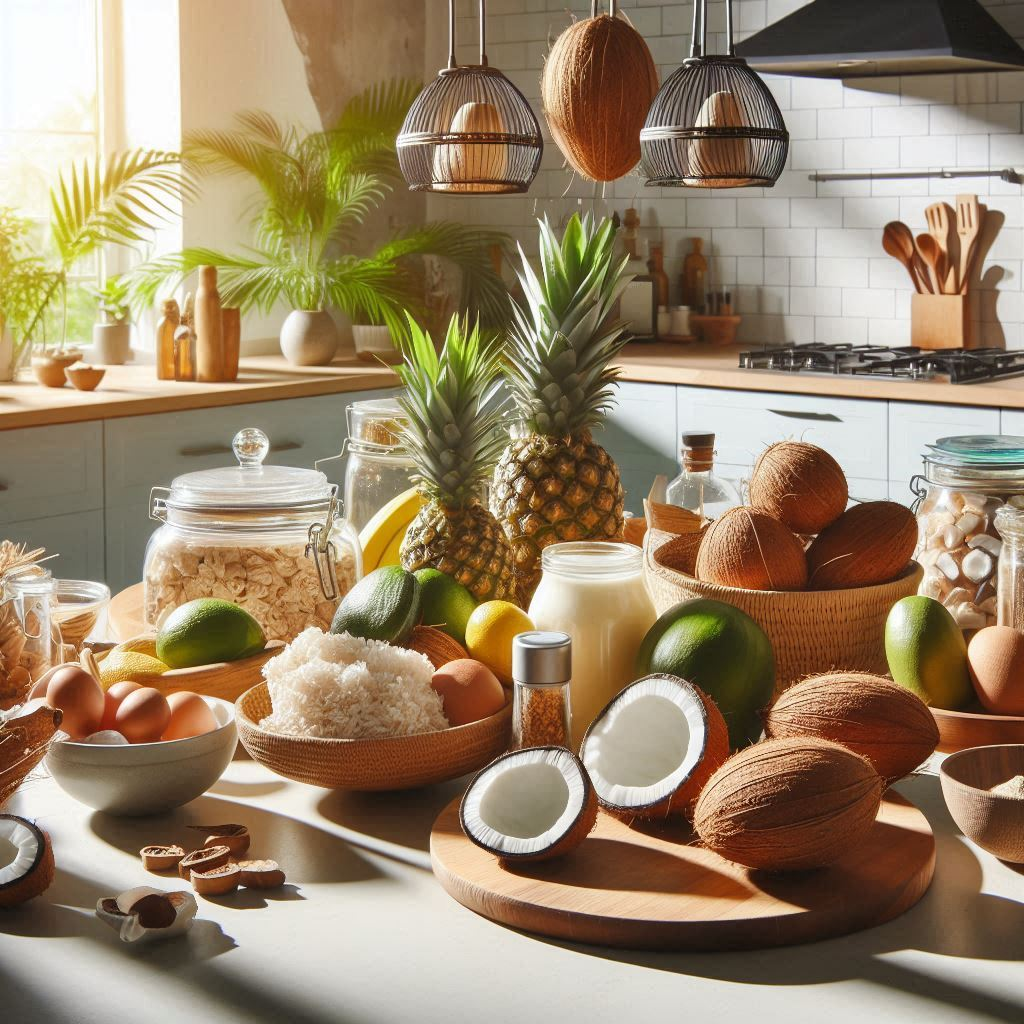
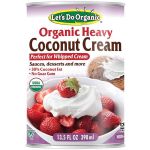
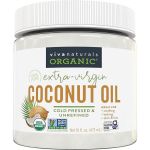
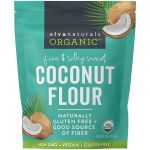
World Coconut Day on September 2nd recognizes the flavorful and aromatic nutrition the coconut brings to many products.
Biologically, the coconut is a seed, nut, and fruit all in one package. However, the term for a one-seeded fruit (nut) is “drupe.” Every part of the coconut is sourced from the water inside the shell to the outer husk. Its oil moisturizes our skin and improves the flavor of our food. The nutrient-rich ingredient is one superfood!
The coconut is full of anti-viral and anti-microbial properties. This nutrient-rich seed provides fiber, Vitamin B6, iron, and minerals.
Grown in tropical areas, the coconut also brings to mind yummy tropical drinks like the pina colada. We can use coconut milk to make ice cream, sauces, and soups.
In 1998, the Asian and Pacific Coconut Community declared World Coconut Day to bring awareness to the powerful nutrients and versatility of this superfood.
Crack open a coconut! Learn all the ways to cook with this plentiful nut (um, seed…fruit…drupe). See how many ways you can use the coconut. Will be the oil as a lip balm? Or will you use the milk for a sauce? This versatile ingredient calls for experimentation and adventure.
Share your celebrations using #WorldCoconutDay on social media.
As summer gently fades into autumn, September invites us to savor the beauty and warmth of this transitional month. With its crisp air, vibrant foliage, and comforting traditions, September is a time to reflect, recharge, and reconnect with ourselves and our loved ones.
Weather and Changing Seasons
September is a month of contrasts. In many places, warm days linger, allowing us to bask in the sun’s glow before the chill of winter sets in. As the leaves begin to change, we witness nature’s stunning transformation:
Early September: Expect warm, sunny days with temperatures often in the 70s and 80s (Fahrenheit). It’s perfect for outdoor activities and enjoying the last of summer’s bounty.
Late September: The air cools significantly, often dipping into the 50s and 60s. Sweaters and cozy blankets make their return as we prepare for the autumn chill.
This month serves as a gentle reminder to embrace change, both in nature and within ourselves.
Ads by Amazon curated by Jen’s Perspective see more on our storefront
September is rich with symbolism, particularly in its birthstones and zodiac signs:
Birthstone: The sapphire, symbolizing wisdom, loyalty, and nobility. Its deep blue hue is reminiscent of the clear autumn sky.
Zodiac Signs: Virgo (August 23 – September 22) and Libra (September 23 – October 22). Virgos are known for their practicality and attention to detail, while Libras epitomize harmony and balance.
Famous birthdays this month include:
Freddie Mercury (September 5)
Beyoncé (September 4)
Agatha Christie (September 15)
Stephen King (September 21)
Each of these figures has left an indelible mark on their respective fields, reminding us of the creativity and inspiration that can blossom in this month.
Cozy Activities to Embrace September
As the air turns crisp and the days grow shorter, it’s the perfect time to indulge in some cozy activities. Here are a few ideas to make the most of September:
Nature Walks: Take a leisurely stroll through a local park or nature reserve to witness the changing leaves. Bring along a thermos of hot cider for an extra touch of warmth.
Baking Days: September is ideal for baking seasonal treats. Try your hand at apple pies or pumpkin bread, filling your home with comforting aromas.
Book Nook: Create a cozy reading corner with soft blankets and pillows. Dive into a good book, perhaps one by a beloved September birthday author.
Crafting: Start a DIY autumn project, whether it’s creating decorative wreaths from fallen leaves or knitting scarves to prepare for the colder months.
Movie Nights: Host a movie marathon featuring fall-themed films. Snuggle up with popcorn, hot chocolate, and your favorite cozy blankets.
Harvest Festivals: If possible, attend local harvest festivals or farmer’s markets. Enjoy the seasonal produce and connect with your community.
Mindfulness Moments: Take time for reflection and mindfulness. Consider journaling about your hopes and goals for the coming months or simply enjoy a moment of stillness outdoors.
Embracing the Spirit of September
September is a month that encourages us to slow down, appreciate the beauty around us, and indulge in the simple joys of life. Whether it’s through the warmth of family gatherings, the thrill of birthdays, or the serenity of nature, let this month be a reminder to savor every moment. As we transition into autumn, may we carry the light of summer in our hearts and embrace the cozy changes ahead.
What cozy activity are you looking forward to this September?
Ads by Walmart curated by Jen’s Perspective visit our storefront
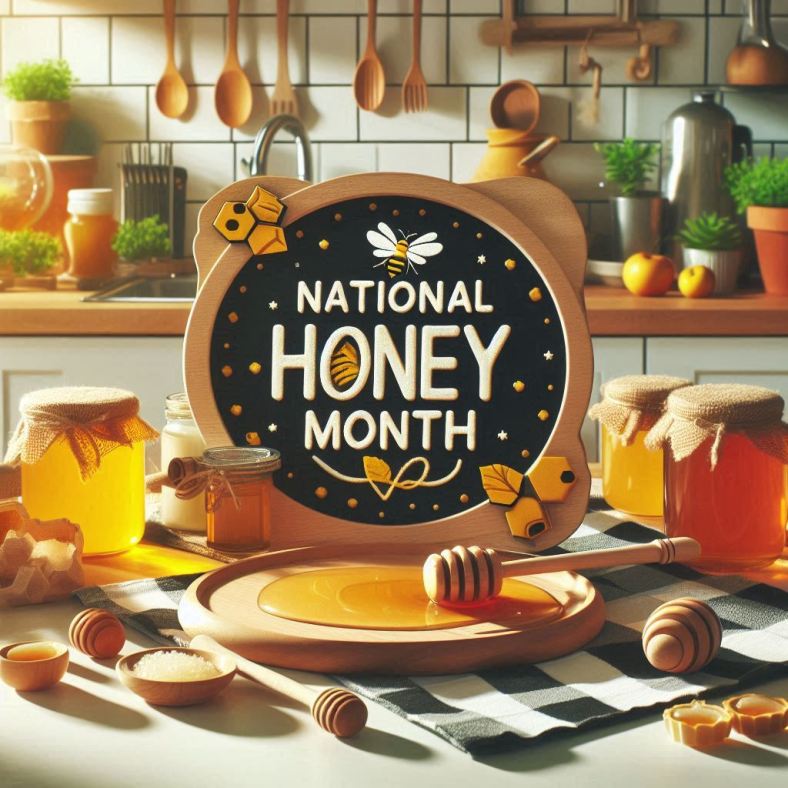
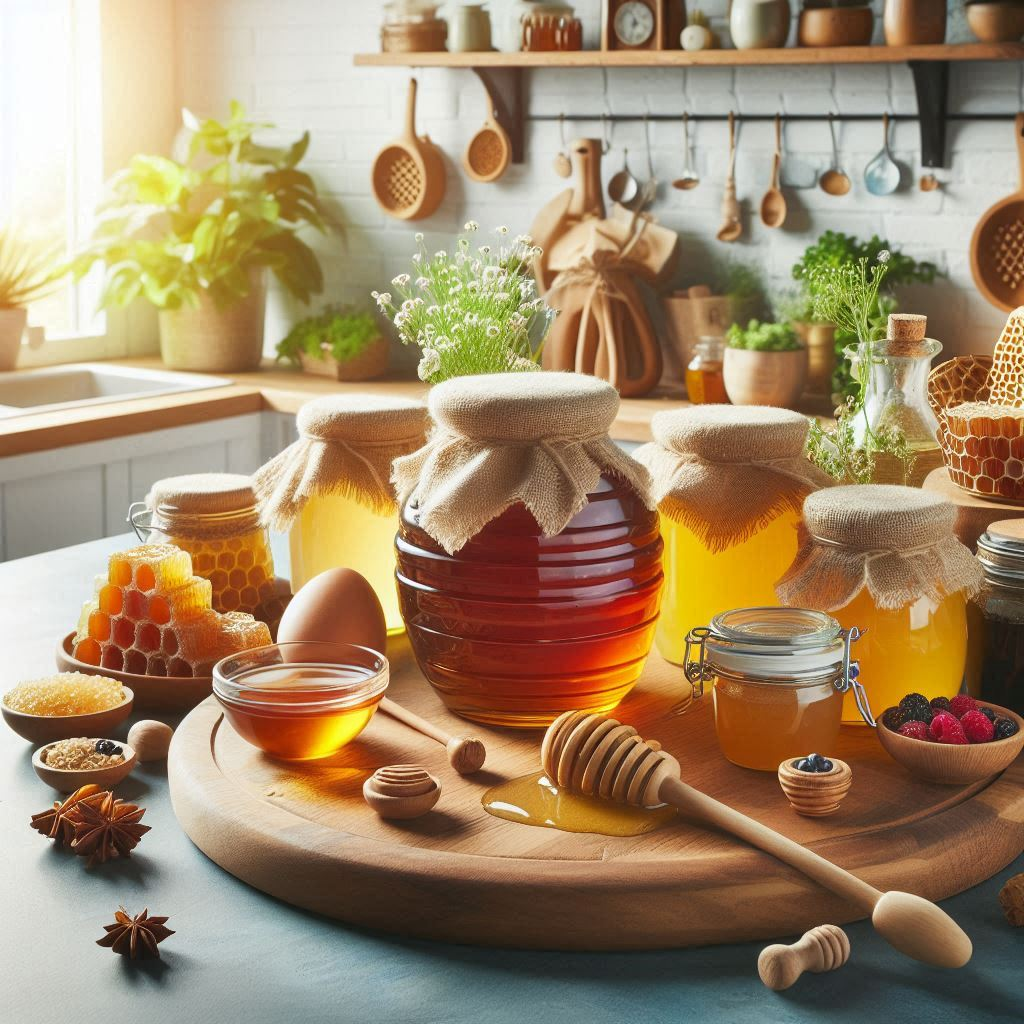
Honey is a sweet and viscous fluid produced by honey bees, and derived from the nectar of flowers. According to the United States National Honey Board and various international food regulations, “honey stipulates a pure product that does not allow for the addition of any other substance…this includes, but is not limited to, water or other sweeteners”.
Honey is Not All the Same. Honey is available in many varieties! Did you realize that honey is available in many different varieties? When bees visit mostly one kind of flower as they gather nectar, the honey they produce has a unique taste, aroma and color from that particular flower. Other honeys are delicious blends of floral sources (look for Mixed Flower, Polyfloral, Wildflower). The Honey Locator is a website you can use to find suppliers of these many varieties of honey.
September is significant for honey producers as it is the month that marks the end of the honey collection season for many beekeepers in the United States.
Honey and its use The main uses of honey are in cooking, baking, as a spread on breads, and as an addition to various beverages such as tea and as a sweetener in commercial beverages. Because honey is hygroscopic (drawing moisture from the air), a small quantity of honey added to a pastry recipe will retard staling.
Medicinal uses and health effects of honey For at least 2700 years, honey has been used to treat a variety of ailments through topical application, but only recently have the antiseptic and antibacterial properties of honey been chemically explained. As an antimicrobial agent honey may have the potential for treating a variety of ailments.
Topical honey has been used successfully in a comprehensive treatment of diabetic ulcers when the patient cannot use other topical antibiotics. Some studies suggest that the topical use of honey may reduce odors, swelling, and scarring when used to treat wounds.
Raw honey also contains enzymes that help in digestion, several vitamins and antioxidants.
Honey may also prevent the dressing from sticking to the healing wounds.
Honey has been shown to be an effective treatment for conjunctivitis in rats.
Honey (especially when combined with lemon) is often taken orally by pharyngitis and laryngitis sufferers, in order to soothe them.
Honey has been a part of many folk cures, it is common and cheap (compared to pharmaceuticals), and cannot be patented.
A Honey for All Skins Skin is the body’s largest organ and its most exposed. Throughout life, the skin comes into contact with more damaging conditions and environments than any other part of the body. Pamper it with one of the world’s oldest skin care secrets, honey. read more http://www.honey.com/consumers/sb/skins.asp
History The awareness month was initiated by The National Honey Board, a United States Department of Agriculture (USDA) founded and overseen organization. (a US government established, USDA-overseen, organization) in 1989.
Biblical Period The Old Testament contains many references to honey as a symbol for all that is pleasant and desirable. For example, the book of Exodus famously describes the Promised Land as a ‘land flowing with milk and honey’ (33:3). There, however, the Hebrew devash refers to the sweet syrup produced from the juice of the date. In contrast, bees’ honey is referred to explicitly in The Book of Judges when Samson found a swarm of bees and honey in the carcass of a lion (14:8). Matthew 3:4 John the Baptist lived for a long period of time in the wilderness on a diet consisting of locusts and wild honey. The word “honey” appears 61 times in the King James Version of the Bible. http://en.wikipedia.org/wiki/Honeyy
HOW TO OBSERVE
Add some honey to your diet and use #NationalHoneyMonth to post on social media.
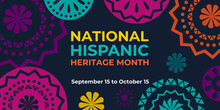
Beginning on September 15, and continuing through to October 15, we recognize National Hispanic Heritage Month. During the four weeks, celebrations honor the heritage and contributions made by members of the Hispanic community. President Lyndon Johnson first declared Hispanic Heritage Week in September of 1968. Years later, in 1988, U.S. Rep. Esteban Torres (D-California) introduced legislation to expand Hispanic Heritage Week into a full month. Festivities begin on September 15, marking the anniversary of independence for the Latin American countries Costa Rica, El Salvador, Guatemala, Honduras, and Nicaragua. With great fanfare, celebrations sweep across Latin America, Central American, and on into Mexico and Chili commemorating each country’s independence from week to week!
As of 2016, the Hispanic population has grown to nearly 57 million people in the United States. Amazingly, Hispanic people contribute to two-thirds of the residents, with that number increasing every day. Furthermore, an estimated 27 million Hispanics were eligible to vote that same year, proving people of Hispanic heritage are a thriving part of society. As the Hispanic population continues to grow in strides, more opportunity presents itself to embrace the rich culture and vast history they provide. From coast to coast, we celebrate Hispanic heritage every day in mainstream society. It’s not only reflecting our cultural differences; it’s adding a different perspective to our lives for us to enjoy.
Hispanic people across the country contribute to society in unprecedented ways. Historically, Alberto Gonzales is credited as being the first Hispanic U.S. Attorney General, while Mel Martinez is considered the first Cuban-American U.S. Senator. Currently, and politically, Ted Cruz and Marco Rubio, both members of the Hispanic community, are members of the U.S. Senate. Sonia Sotomayor is the first Hispanic to sit as a U.S. Supreme Court Justice. Undeniably, representation from the Hispanic community is found in schools, public office, medical, fashion, as well as every aspect of business.
In addition, pop culture contributions by the Hispanic community flourishes thanks to many talented artists, such as Salma Hayek, George Lopez, Carlos Santana, and Jennifer Lopez. Finally, we need to give credit to the countless tasty Hispanic recipes found across the nation. Hispanic food has increasingly become a part of mainstream Americana. We relish the flavor and spice deeply infused into the traditions. Dishes ranging from tacos and tamales to Cuban sandwiches, nachos, Tres leche cake, family taco night, tequila, and Mojitos, entice us to enjoy the Hispanic heritage, one bite at a time.
HISPANIC HERITAGE MONTH HISTORY
Originally, President Lyndon Johnson declared Hispanic Heritage Week in 1968. Through later legislation, submitted by U.S. Rep. Esteban Torres (D-California), the week was expanded to National Hispanic Heritage Month under the direction of President Ronald Reagan in 1988.
Joining local celebrations during National Hispanic Heritage Month is a fantastic way to meet new people. Additionally, you can learn more about the contributions Hispanics have made in areas of politics, business, the arts, sports, fashion, and cuisine, to name a few. Embracing the history and traditions of another culture not only broadens your knowledge, but it also teaches appreciation of other people and their customs.
Use #HispanicHeritageMonth in social media correspondence.
Throughout September, Whole Grains Month promotes the benefits and flavors of whole grains in a healthy diet.
Whole grains include the entire seed of a plant. A grain seed is composed of three parts.
Bran – The outer shell of a seed or kernel is hard and contains important minerals, antioxidants, and fiber.
Endosperm – The next layer of a seed or kernel (or the middle layer) contains most of the carbohydrates found in grains.
Germ – The center layer provides vitamins, minerals, and necessary protein.
Whole grains are a vital part of a healthy diet. Not only do whole grains help reduce heart disease and diabetes, but it also helps improve bowel health. Maintaining a regular bowel movement is at the top of everyone’s list! (Yes, we went there.)
Adding whole grains to your meals is easier than many people think it is. These whole grains can be added to every meal with ease.
A few kinds of whole grains to start incorporating in your diet include:
The Whole Grains Council has been promoting Whole Grain Month since 2006. Their mission is to share the importance of whole grains and how to incorporate them into a healthy diet.
HOW TO OBSERVE #WholeGrainMonth
Add whole grains to your meals throughout September! Try these delicious ways to incorporate whole grains:
Add granola to your yogurt.
Switch to 100% whole grain bread – this includes 100% whole wheat breads.
Replace refined pasta with whole-grain versions.
Replace refined pasta with whole grain rice.
Add quinoa to your smoothie.
Enjoy a bowl of air-popped popcorn.
Switch to whole-grain tortillas.
Add whole grains to your baking. Replace a portion of a recipe that calls for all-purpose flour with a whole-grain version.
After a month of adding whole grains to your diet, check-in with your body and see how you feel. Use #WholeGrainsMonth to share your favorite ways to cook with whole grains.