
🦋 Welcome to Jen’s world
Small Moments…
Big Joys
Travel · Food · Home · Health · Heart
A lifestyle blog by a disabled woman with a unique perspective — finding beauty in lavender mornings, mountain views, butterflies, and the quiet joy of a warm mug by the window.
Explore by Theme

🦋 Travel
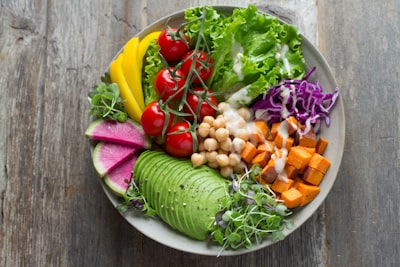
🦋 Recipes
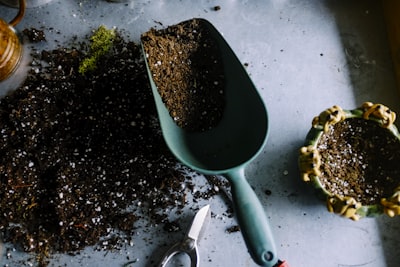
🦋 Home & Garden

🦋 Fashion & Style

🦋 Healthy Living
🦋
Stay Connected
Get the latest posts, recipes, travel tips and more delivered to your inbox!
Latest from the Blog
-
 Adopt, adult beverage, adult juice slush, adults, agenda, Amazon, Amazon Fresh, Amazon Prime, America, appreciation, August, autumn, back to school, backyard barbecue, baking, barbeques, beach, beverage, big game, biking, bird watching, blog, books, Brands, breakfast, brothers and sisters, brunch, cake, candy, Celebration of Life, celebrity, characters, cheesecake, children, chinese, Christmas, Cinco de Mayo, classics, coastal, cocktail, coconut, college, comfort, community, convention, cookies, cooking, cool, desserts, Diets, dinner, Discovery, disney, drink, drink responsibly, Easter, empower, encourage, entertaining, explore, exploring history, fall, family, farmers market, flavor, fragrance, freedom, friends, friendship, fruit, fun, Geek, german American, giving, glasses, goals, Google, gratitude, Greek, health, healthy, Hispanic American, history, hosting, hotel, inspiration, inspire, inst a cart, instagram, irish, Italian-American, Japanese, Jewish American, kitchen, Korean American, laugh, learn, lifestyle, luau, lunch, memories, men, mom, mother nature, nature, New Year’s Eve, nurture, pantry, party, Philippines, picnic, pineapple, Pintrest, population, Positivity, punch, Recipes, relax, remember, resort, restaurant, Retailers, sauces, school, Scottish-American, search, season, serve, share, smile, smoothie, social media, Spring, summer, sweet, swimming, swimming pool, travel, Trivia, United States of America, vacation, vitamin C, winter, women, yoga, young adults
NATIONAL PINEAPPLE JUICE DAY
August 17 is National Pineapple Juice Day and an exciting time to celebrate the natural citrusy sweet taste…
-
 accolade, Adopt, adults, African heritage, Amazon, Amazon Prime, America, appreciation, autumn, back yard, beach, beverage, big game, birthday, blog, Brands, brothers and sisters, brunch, cake, Celebration of Life, characters, chinese, chocolate, classics, cocktail, college, comfort, cool, cozy, cuddle, desserts, Discovery, drink, encourage, entertaining, explore, fall, flavor, freedom, friends, friendship, fun, garden, german American, gifts, goals, Google, gratitude, Greek, grocery shopping, health, Hispanic American, history, hosting, inspiration, inspire, instagram, irish, Italian-American, jamaican, Japanese, jazz, Jewish American, kitchen, Korean American, laugh, lifestyle, May, memories, men, mom, mothers day, native American, new year’s, nurture, party, Philippines, picnic, Pintrest, population, Positivity, Recipes, relax, remember, restaurant, romance, Scottish-American, seafood, self care, serve, share, smile, social media, Spring, star gazing, summer, sweet, travel, Trivia, United States of America, vacation, Valentine’s day, wedding, wine, winter, women
NATIONAL MOSCATO DAY
On May 9th raise your glass and toast National Moscato Day. Moscato, or Muscat in Italian, is one…
-
 Adopt, adults, agenda, Amazon, Amazon Prime, America, appreciation, autumn, beach, blog, Brands, brothers and sisters, cabbage, Celebration of Life, celebrity, celery, characters, children, classics, Clean, cocktail, cold, comfort, community, cooking, December, Diets, dinner, Discovery, encourage, entertaining, explore, fall, farmers market, food, freedom, friends, friendship, garden, Gluten free, goals, grocery shopping, health, herbs and spices, heritage, Hispanic American, history, Holiday, Homemade, inspiration, keto, kitchen, laugh, learn, lifestyle, lunch, memories, men, pantry, party, Recipes, remember, restaurant, Retailers, season, serve, share, smile, social media, soup, Spanish, spices, Spring, summer, travel, Trivia, United States of America, vegan, vegetables, watermelon, wine, winter, women
NATIONAL GAZPACHO DAY
National Gazpacho Day, on December 6th, recognizes a flavorful soup that cooks serve cold. Gazpacho is typically a…
-
 accolade, Adopt, adults, Amazon, Amazon Prime, America, appreciation, autumn, baking, barbeques, beverage, Bingable, blog, books, Brands, brothers and sisters, candy, Celebration of Life, characters, cocktail, college, comfort, community, companion, cooking, cozy, cuddle, Diets, Discovery, drink, encourage, entertaining, explore, exploring history, fall, family, fishing, freedom, friends, friendship, goals, Google, gratitude, grocery shopping, heritage, history, Holiday, Homemade, honey, hosting, hot, inspiration, inspire, January, learn, lifestyle, luxury, memories, men, nuture, party, Pintrest, read, Recipes, relax, remedy, restaurant, Retailers, romance, search, season, self care, seniors, serve, share, smile, social media, spices, Spring, States, story, sweet, travel, Trivia, United Kingdom, United Nations, United States of America, Vintage, warm, wine, women
NATIONAL HOT BUTTERED RUM DAY
On January 17th, National Hot Buttered Rum Day warms us up during mid-January. Depending on where you are…