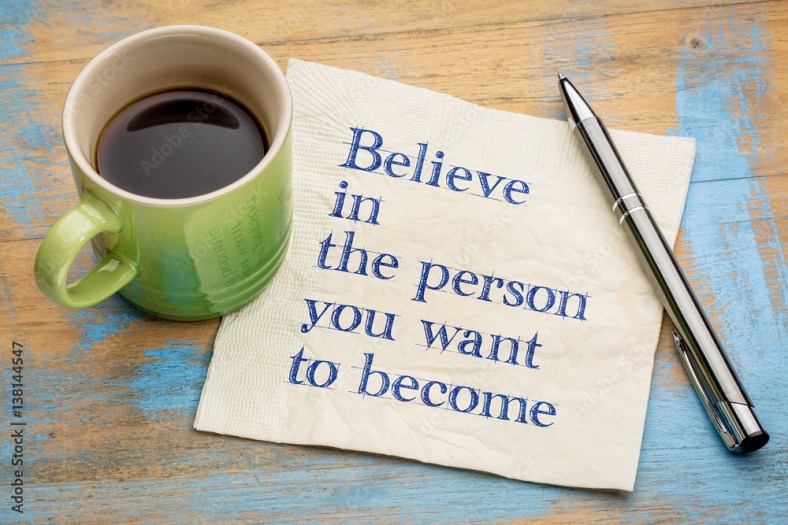

NATIONAL UPSY DAISY DAY

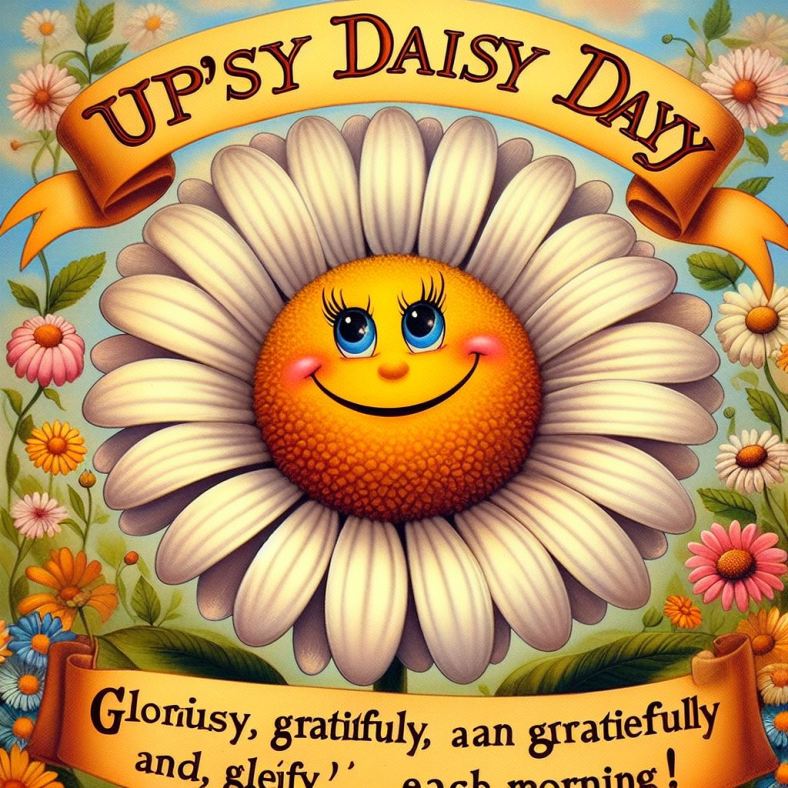
Each year on June 8, National Upsy Daisy Day is set aside to encourage you to face the day positively and to get up ‘gloriously, gratefully and gleefully’ each morning.

Good Days Start With Gratitude: A 52 Week Guide To Cultivate An Attitude Of Gratitude: Gratitude Journal Spiral-bound – September 16, 2017

by Pretty Simple Press (Author)
Good Days Start With Gratitude: A 52 Week Guide To Cultivate An Attitude Of Gratitude: Gratitude Journal Spiral-bound

by Pretty Simple Press (Author)

Every day is a gift and if we remember that as we rise each morning, it will help us carry a good attitude throughout the day, whatever the day may bring us.  Life is full of challenges and bumps in the road, and it is our attitude that helps us over the bumps and through the challenges to move onward with a smile.

Folgers Breakfast Blend Mild Roast Ground Coffee, 21.6 Ounces (Pack of 3)

by Folgers
Folgers Breakfast Blend Mild Roast Ground Coffee, 21.6 Ounces (Pack of 3)

by Folgers
Kick start your day with this positive playlist.
Kick Start Your Day with this Positive Playlist

Give it a try.  Be grateful and thankful for what you do have such as a bed to sleep in, food to eat, friends and family. Try a smile and see how it feels.  It may surprise you that it feels good on the inside also and how other people will smile back.  You may just brighten up their day!  Upsy Daisy!

Ice Shaker 20oz Stainless Steel Skinny Tumbler with Lid and Straw (Navy Floral) | Gronk Shaker

by Ice Shaker
Hot or cold my favorite cup ever! Ice Shaker 20oz Stainless Steel Skinny Tumbler with Lid and Straw (Navy Floral)

by Ice Shaker

HISTORY

National Upsy Daisy Day was created by Stephanie West Allen is 2003.  Her desire in creating National Upsy Daisy Day was to make humor, laughter and a positive attitude part of the Upsy Daisy Day way.

Explore More…

HOW TO OBSERVE

Use #UpsyDaisyDay to post on social media.

Stress Awareness Month

Stress Awareness Month is an annual designation observed in April. Have you ever been in a situation that was a little (or a lot) overwhelming, you had deadlines approaching and a mile-long to do list, and you were just in way over your head?! Well, you’re definitely not alone. Everyone feels stressed from time to time, especially as we get older and the responsibilities really pile onto our plate. The thing about stress is, a little bit of it isn’t necessarily a bad thing, but too much of it can be detrimental to our emotional and physical health. Learning to find that healthy balance is the best way to live a productive, happy life.

A small amount of stress once in a while is a good thing, because it means you’re working hard and you care about what you’re doing. If you were never stressed, that would probably mean you’re living a lethargic lifestyle without a whole lot of work involved. However, too much stress doesn’t allow us to think straight, and is  overbearing and counterproductive. Prolonged stress even leads to real physical problems and can cause strokes, IBS, ulcers, diabetes, muscle and joint pain, miscarriages, and many more.

This month, recognize the difference between good and bad stress and try to find your happy place within the madness.

HISTORY

Stress Awareness Month is supported every year by the Stress Management Society

HOW TO OBSERVE

Use #NationalStressAwarenessMonth or #StressAwarenessMonth to post on social media. This month, we are all challenged to keep our stress levels low, and our peace levels high. Here are some great ways to keep your mind clear and de-stress if you find yourself getting too overwhelmed.

  1. Exercise. You’ve probably heard this one before, and even though it’s probably not exactly what you want to do when you’re feeling stressed (because laying on the couch and watching movies sounds more appealing), exercising gets endorphins pumping through your brain, which triggers a happy feeling. Exercise lowers your body’s stress hormones like cortisol, and releases chemicals that make you feel more at peace.
  2. Think about taking natural supplements to help you feel more at ease. Natural remedies like lemon balm, omega-3 fatty acids, ashwagandha, green tea, and essential oils are very helpful.
  3. Light a candle or turn on the oil diffusers, put on some soft, soothing music and dim the lights. Take a deep breath and count your blessings.
  4. Caffeine intake reduction can help (even though it’s tough to kick the coffee!) because caffeine tends to make us jittery, which can cause stress and anxiety.
  5. Spend time laughing with friends and family. Let yourself have a good time and get your mind off the busyness of the real world.

NATIONAL I WANT YOU TO BE HAPPY DAY

National I Want You to be Happy Day on March 3rd encourages us to do something that makes others happy. It also asks us to see others’ happiness from their point of view. Putting a smile on someone’s face tends to put one on ours, too.

Genuine happiness takes effort. While we’re not individually responsible for other’s happiness, we do play a role in spreading joy and good cheer. One way to do that is to see happiness from another person’s perspective. Happiness doesn’t fit a mold. Everything from being a morning person or a night owl, a favorite season and seafood can make or break a person’s general idea of happiness. A person’s overall journey through life gives them a unique outlook on happiness, too.

Being happy may merely be about quality, not quantity.

HOW TO OBSERVE #IWantYouToBeHappyDay

National I Want You to Be Happy Day is quite limitless. Give a flower here. Tell a silly knock-knock joke there. Buy the person’s coffee standing in line behind you. Remind your kids how much you love them. Leave a sticky note for a co-worker telling them to have a spectacular day, a happy day. Draw a happy face in the snow for a stranger to come across later. Give someone a hug.

But no matter what, consider someone else’s happiness from their point of view.

Use #IWantYouToBeHappyDay to post on social media.

Expressions of Gratitude

The definition of gratitude is being glad that something has or hasn’t happened; that something or someone exists; experiencing thanks. I started practicing gratitude about more than 15 years ago.  I have refocused on it after suffering a burst aneurysm in 2013. 

Being thankful on a regular basis improves our relationships, sleep, general well-being, and health.  Science has shown that there are many benefits to being grateful, and these are just a few.  Despite being a very simple exercise, when performed on a daily basis, it can have profoundly transformative results.  The habit of identifying things for which we are grateful each day creates new neuropathways in the brain, the more we practice being grateful (or, for that matter, anything we focus on).  For the brain, this process—known as neuroplasticity—is comparable to physical exercise.

Eventually, being grateful becomes a habit, which leads to a more optimistic perspective in general, especially during difficult situations.  We can be thankful for every moment as a chance to develop, learn, and discover a new way of being in the world, but we cannot be thankful for horrible things like this pandemic.  This is resilience.

Observe the abundance of creativity, ingenuity, and kindness all around you.  We are pushing ourselves to discover new ways to thrive rather than just survive.  The question, “What do I actually need?” is becoming more and more common.  What is most crucial?  We’re talking to loved ones about our deepest emotions and recognizing what matters most in life.

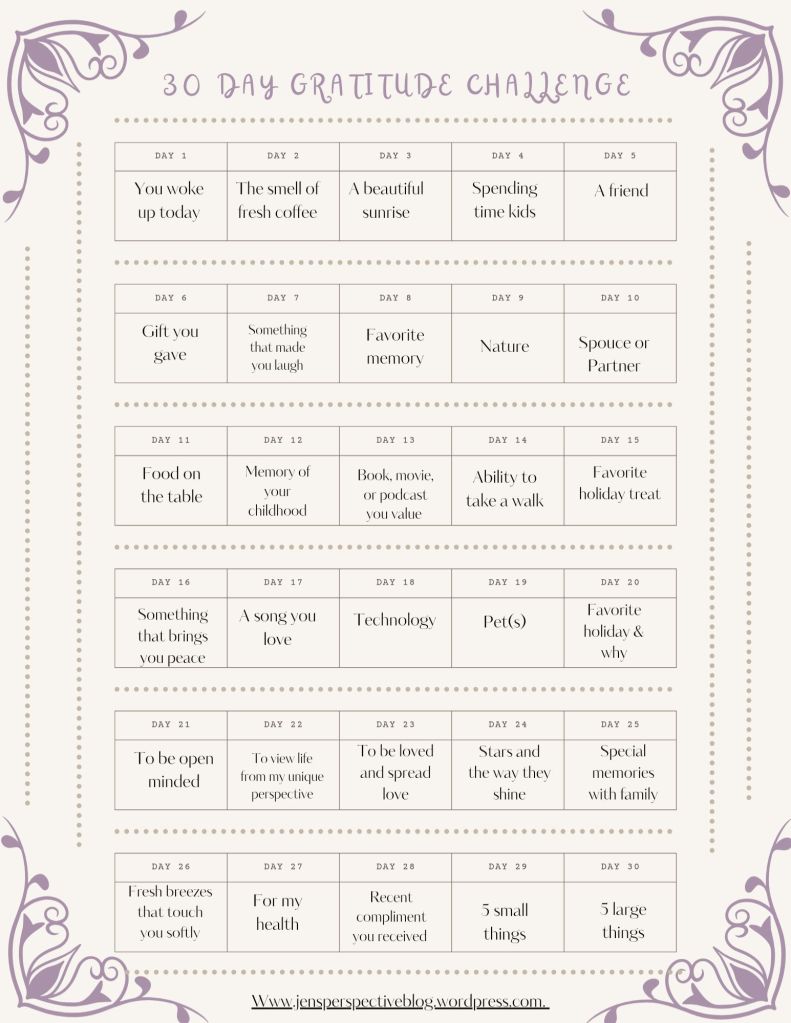
For 30 days, I want you to locate at least one item for which you are thankful every day.  A new habit takes around 30 days to form.  Don’t worry if you skip a day; just keep going.  As you write it down, acknowledge and experience the emotions it evokes in your heart.  Although you can do this at any time, it helps you sleep if you recall these things before bed.  Join me if you want to express your gratitude. Share to Social media using #Jen’sPerspectiveGratitudeChallenge .

This is my challenge