
🦋 Welcome to Jen’s world
Small Moments…
Big Joys
Travel · Food · Home · Health · Heart
A lifestyle blog by a disabled woman with a unique perspective — finding beauty in lavender mornings, mountain views, butterflies, and the quiet joy of a warm mug by the window.
Explore by Theme

🦋 Travel
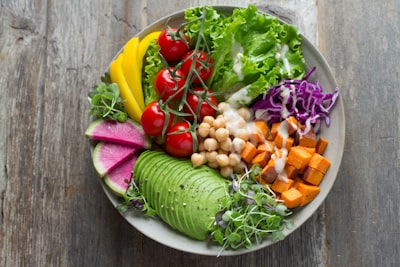
🦋 Recipes
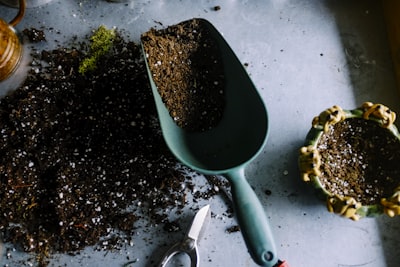
🦋 Home & Garden

🦋 Fashion & Style

🦋 Healthy Living
🦋
Stay Connected
Get the latest posts, recipes, travel tips and more delivered to your inbox!
Latest from the Blog
-
 accolade, Adopt, adult juice slush, adults, agenda, Amazon, Amazon Prime, America, apple, appreciation, apricot, asparagus, autumn, back yard, baking, baklava, barbecue, barbeques, beach, berries, berry, beverage, blueberry, books, Brands, breakfast, brothers and sisters, cabbage, casserole, Celebration of Life, characters, cherries, cherry, children, citrus, classics, Clean, coconut, comfort, community, cooking, cool, cranberry, delivery, desserts, Diets, dinner, Discovery, drink, entertaining, explore, exploring history, fall, family, farmers market, flavor, food, fragrance, freedom, friends, friendship, fruit, fun, garden, gardening, yard decor, exterior design, german American, goals, Google, grape, grapefruit, gratitude, Greek, grocery shopping, health, healthy, herb garden, herbs and spices, Hispanic American, history, hobby, Homemade, hosting, ice cream, inspiration, inspire, inst a cart, instagram, irish, Italian-American, jamaican, Japanese, Jewish American, Juice slush, june, keto, kitchen, Korean American, late night snack, learn, lemon, lifestyle, lime, lunch, luxury, mango, men, monthly observations, native American, nature, near me, nurture, nuts and seeds, oranges, party, pasta, peaches, pears, Philippines, picnic, pink grapefruit, Pintrest, potato, pumpkin, raspberry, Recipes, relax, remember, restaurant, Retailers, salad, salsa, Sandwhich, savory, Scottish-American, season, self care, serve, share, shopping, side dish, smoothie, snack, social media, soup, spices, spinach, Spring, States, story, strawberry, summer, sweet, tea, travel, Trivia, United States of America, Unplugging, vacation, vegan, vegetables, vegetarian, vitamin C, volunteers, warm, watermelon, wine, winter, women
NATIONAL FRESH FRUIT AND VEGETABLE MONTH
Add color to your meals during National Fresh Fruit and Vegetable Month in June. As the peak season…
-
 accolade, Adopt, Amazon Prime, America, appreciation, autumn, bakery, barbecue, beer, blog, Celebration of Life, cheese, classics, college, cooking, Diets, Discovery, encourage, explore, exploring history, fall, family traditions, friendship, heritage, inspiration, Italian-American, lifestyle, men, restaurant, Retailers, salad, Sandwhich, sandwich, serve, smile, soup, spices, sports, Spring, States, vegetables, warm, winter, work
NATIONAL HOAGIE DAY
It may go by many names, but on May 5th, National Hoagie Day celebrates a hero of a…
-
 Adopt, adults, agenda, Amazon, Amazon Prime, America, appreciation, autumn, beach, blog, Brands, brothers and sisters, cabbage, Celebration of Life, celebrity, celery, characters, children, classics, Clean, cocktail, cold, comfort, community, cooking, December, Diets, dinner, Discovery, encourage, entertaining, explore, fall, farmers market, food, freedom, friends, friendship, garden, Gluten free, goals, grocery shopping, health, herbs and spices, heritage, Hispanic American, history, Holiday, Homemade, inspiration, keto, kitchen, laugh, learn, lifestyle, lunch, memories, men, pantry, party, Recipes, remember, restaurant, Retailers, season, serve, share, smile, social media, soup, Spanish, spices, Spring, summer, travel, Trivia, United States of America, vegan, vegetables, watermelon, wine, winter, women
NATIONAL GAZPACHO DAY
National Gazpacho Day, on December 6th, recognizes a flavorful soup that cooks serve cold. Gazpacho is typically a…