
🦋 Welcome to Jen’s world
Small Moments…
Big Joys
Travel · Food · Home · Health · Heart
A lifestyle blog by a disabled woman with a unique perspective — finding beauty in lavender mornings, mountain views, butterflies, and the quiet joy of a warm mug by the window.
Explore by Theme

🦋 Travel
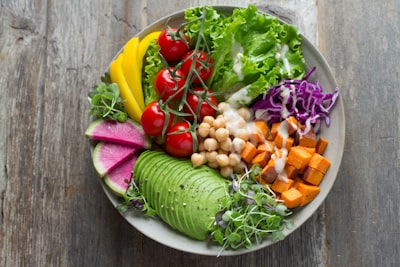
🦋 Recipes
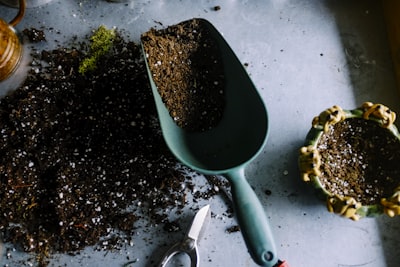
🦋 Home & Garden

🦋 Fashion & Style

🦋 Healthy Living
🦋
Stay Connected
Get the latest posts, recipes, travel tips and more delivered to your inbox!
Latest from the Blog
-
 appreciation, awareness, books, Celebration of Life, Diets, Discovery, encourage, explore, friendship, men, Positivity, safety, self care, smile, sports
JUNE IS MEN’S HEALTH MONTH
Throughout June, Men’s Health Month focuses on improving the lifestyles of men. While there are several approaches to…
-
 adults, agenda, Amazon, Amazon Prime, America, appreciation, Apps, awareness, blog, books, Brands, breakfast, brothers and sisters, Celebration of Life, characters, children, chinese, comfort, community, computers, Diets, Discovery, emergency, empower, encourage, exercise, explore, exploring history, fall, family, fasting, food, freedom, friends, friendship, fruit, Geek, german American, gifts, giving, goals, Google, gratitude, Greek, Hispanic American, history, hospital, inspiration, inspire, instagram, Intermittent fasting, irish, Italian-American, jamaican, Japanese, Jewish American, kitchen, Korean American, laugh, learn, library, lifestyle, lunch, May, medical, memories, men, monthly observations, native American, nursing, nurture, Pintrest, podcasts, population, read, Recipes, remedy, reminders, salad, salsa, sandwich, school, scientist, Scottish-American, self care, seniors, serve, share, smile, social media, Spring, States, story, strategy, summer, tea, technology, travel, Trivia, United Kingdom, United States of America, vegan, vegetables, vitamin C, water, winter, women
NATIONAL BLOOD PRESSURE EDUCATION MONTH
National Blood Pressure Education Month in May provides awareness regarding hypertension. Many people don’t even know they have…
-
 accolade, Adopt, adult juice slush, adults, agenda, alarm clock, Alexa, Amazon, Amazon Fresh, Amazon Prime, America, American, an app for that, appreciation, Apps, Athletic, autumn, awareness, ball, baseball, basket ball, beach, beautiful, beverage, bibliophile, bicycle, bike, biking, blog, bluetooth, Brands, brothers and sisters, business, businesses, calander, Celebration of Life, characters, charity, chat, classics, Clean, clothing, comfort, community, companion, competition, contest, coupon, create, culture, dance, delivery, Diets, dinner, discount, Discovery, donations, eco-friendly, educate, electronics, email, empower, encourage, entertaining, everyday, exercise, explore, exploring history, fall, family, fasting, flavor, food, food drive, food orders, football, freedom, friends, friendship, games, gifts, giving, Global, Gluten free, goals, golf, gratitude, habits, health, healthy, heart health, history, hobby, Holiday, hosting, immune system, inspiration, inspire, instagram, Intermittent fasting, invitation, ipod, Italian-American, Japanese, Jewish American, keto, Korean American, learn, leisure, lifestyle, lunch, manners, medical, meditation, memberships, memories, men, mental health, mentor, modern, monthly observations, nature, near me, nuture, office, office party, organization, outdoors, party, peace of mind, picnic, Pintrest, plant trees, Polish American, pool, population, Positivity, productivity, professional, relax, remedy, remember, reminders, Road Trip, safety, salad, savings, Scottish-American, search, season, self care, seniors, serve, share, Shipt, shopping, smart tv, smart watch, smile, smoothie, snack, social media, special pricing, sports, Spring, star gazing, States and Capitals, strategy, summer, sun protection, sustainable, swimming, swimming pool, teach, technology, traditional, travel, Trivia, United Kingdom, United Nations, United States of America, vegan, vegetables, vegetarian, vitamin C, volunteers, warm, water, wear, winter, women, work, work outs, Work Wear, World, yoga, young adults
GLOBAL EMPLOYEE HEALTH AND FITNESS MONTH
Every year in May, Global Employee Health and Fitness Month aims to improve the health of the global…
-
 accolade, Adopt, agenda, Amazon Prime, America, autumn, awareness, beverage, blog, books, Brands, brothers and sisters, brunch, calander, casserole, Celebration of Life, classics, cocktail, college, cooking, desserts, Diets, encourage, explore, exploring history, fall, family traditions, grocery shopping, heritage, inspiration, keto, lifestyle, March, memories, men, mom, nursing, nurture, Positivity, restaurant, Retailers, safety, Sandwhich, sauces, seafood, self care, serve, Shipt, smoothie, snack, soup, spices, Spring, story, United States of America, vegetables, winter
AMERICAN DIABETES ASSOCIATION ALERT DAY
American Diabetes Association Alert Day is observed annually on the fourth Tuesday in March. This one-day “wake-up call”…