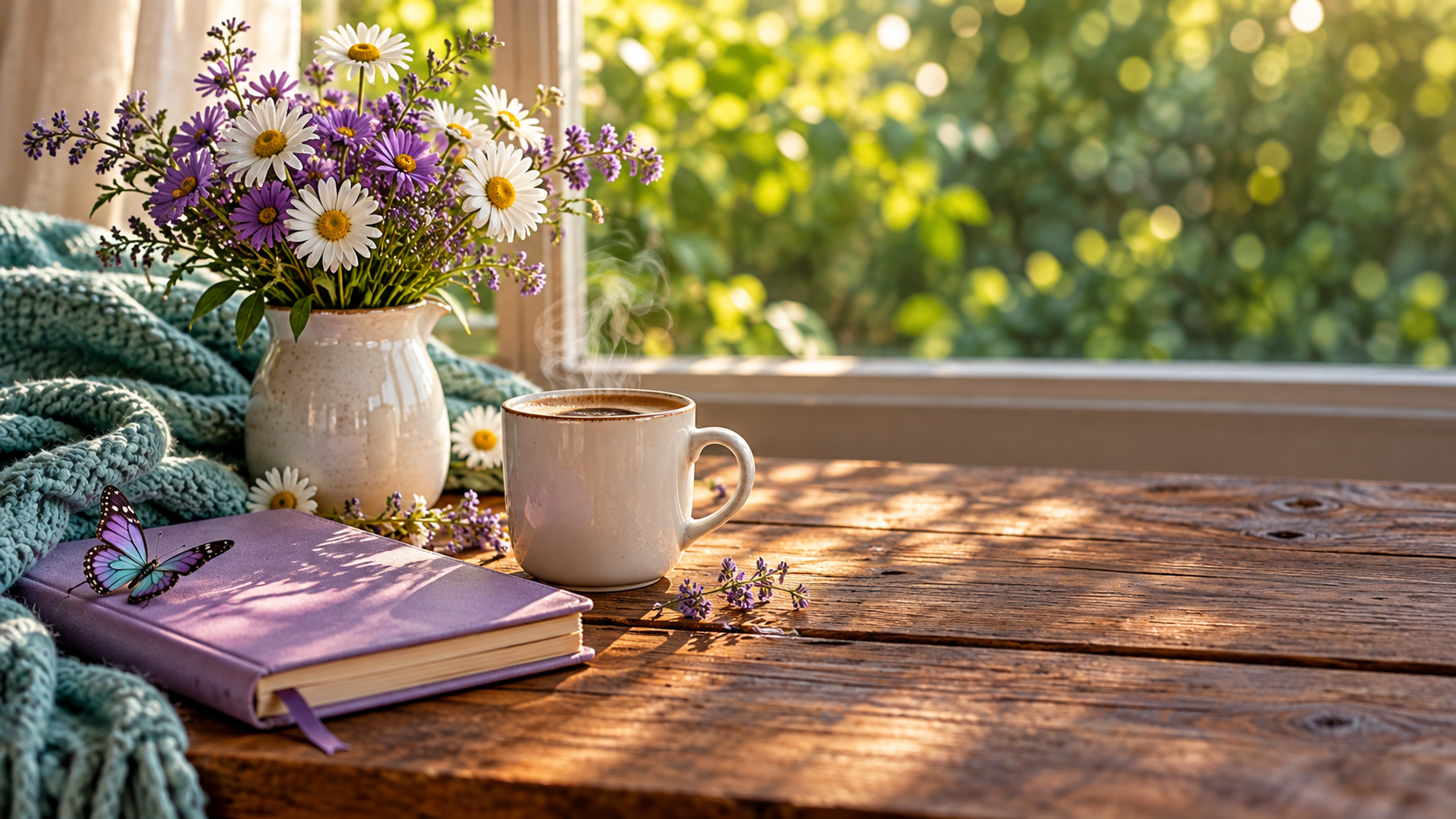
🦋 Welcome to Jen’s world
Small Moments…
Big Joys
Travel · Food · Home · Health · Heart
A lifestyle blog by a disabled woman with a unique perspective — finding beauty in lavender mornings, mountain views, butterflies, and the quiet joy of a warm mug by the window.
Explore by Theme
🦋 Travel
🦋 Recipes
🦋 Home & Garden

🦋 Fashion & Style

🦋 Healthy Living
🦋
Stay Connected
Get the latest posts, recipes, travel tips and more delivered to your inbox!
Latest from the Blog
-
 accolade, Adopt, Amazon Prime, America, appreciation, autumn, back to school, bakery, baking, beverage, Celebration of Life, celebrity, cold, cooking, cuddle, December, desserts, Diets, Discovery, donut, encourage, explore, exploring history, fall, famous, friendship, giving, Halloween, heritage, home, inspiration, keto, lifestyle, men, mom, November, October, pumpkin, restaurant, Retailers, Road Trip, safety, serve, spices, Starbucks, States, tea
NATIONAL PUMPKIN SPICE DAY
What do cinnamon, ginger, cloves, allspice, nutmeg, and October 1 have in common? They are all part of…
-
 Adopt, Amazon Prime, America, apple, appreciation, autumn, bakery, baking, beverage, blog, Brands, brunch, Celebration of Life, classics, cocktail, cold, cooking, cozy, cranberry, cuddle, Discovery, encourage, explore, exploring history, fall, family traditions, friendship, fruit, giving, heritage, home, home decor, hot, inspiration, lifestyle, memories, men, mom, punch, restaurant, Retailers, self care, September, serve, smile, spices, Starbucks, States, story, United States of America, warm, winter
NATIONAL HOT MULLED CIDER DAY
On September 30th, National Hot Mulled Cider Day warms our homes with the scent of cinnamon, nutmeg, and…
-
 accolade, America, appreciation, baking, berries, berry, blueberry, brunch, Celebration of Life, cherry, cooking, Diets, Discovery, encourage, explore, fall, fathers day, friendship, fruit, inspiration, men, mothers day, September, serve, smile, Spring, strawberry, United States of America, warm, winter
NATIONAL PANCAKE DAY
National Pancake Day on September 26th sets up a tall stack of syrupy goodness to celebrate! Set the…
-
 accolade, Adopt, Amazon Prime, America, appreciation, autumn, beverage, books, Brands, Celebration of Life, classics, cozy, Discovery, encourage, explore, exploring history, fall, friendship, heritage, inspiration, memories, men, restaurant, Retailers, romance, self care, September, serve, smile, spices, Starbucks, story, tea
NATIONAL CHAI DAY
On September 21st, the aroma filling the room comes from ancient spices, perfectly steeped into a cup of…
-
 Adopt, adults, Amazon, Amazon Prime, America, apple, appreciation, autumn, back yard, backyard barbecue, banana, barbeques, beach, beer, berries, berry, beverage, big game, blog, blueberry, Brands, breakfast, brothers and sisters, brunch, Celebration of Life, celebrity, characters, children, chocolate, Christmas, Cinco de Mayo, Clean, cocktail, coffee, cold, college, community, cooking, cranberry, Discovery, drink, Easter, encourage, explore, fall, family, friends, friendship, fruit, fun, grape, grocery shopping, herbs and spices, heritage, history, Holiday, Homemade, ice cream, inspiration, lifestyle, lunch, mango, memories, men, monthly observations, mothers day, native American Heritage, new year’s, outdoors, party, peaches, pears, punch, read, Recipes, relax, Retailers, season, September, serve, share, shopping, sisters, smile, spices, Spring, strawberry, summer, sweet, travel, Trivia, United Kingdom, United States of America, vacation, Valentine’s day, Vintage, warm, watermelon, wedding, wine, winter, women
NATIONAL PUNCH DAY
While one perspective suggests honoring tools used to make holes, another points to a day created to throw…