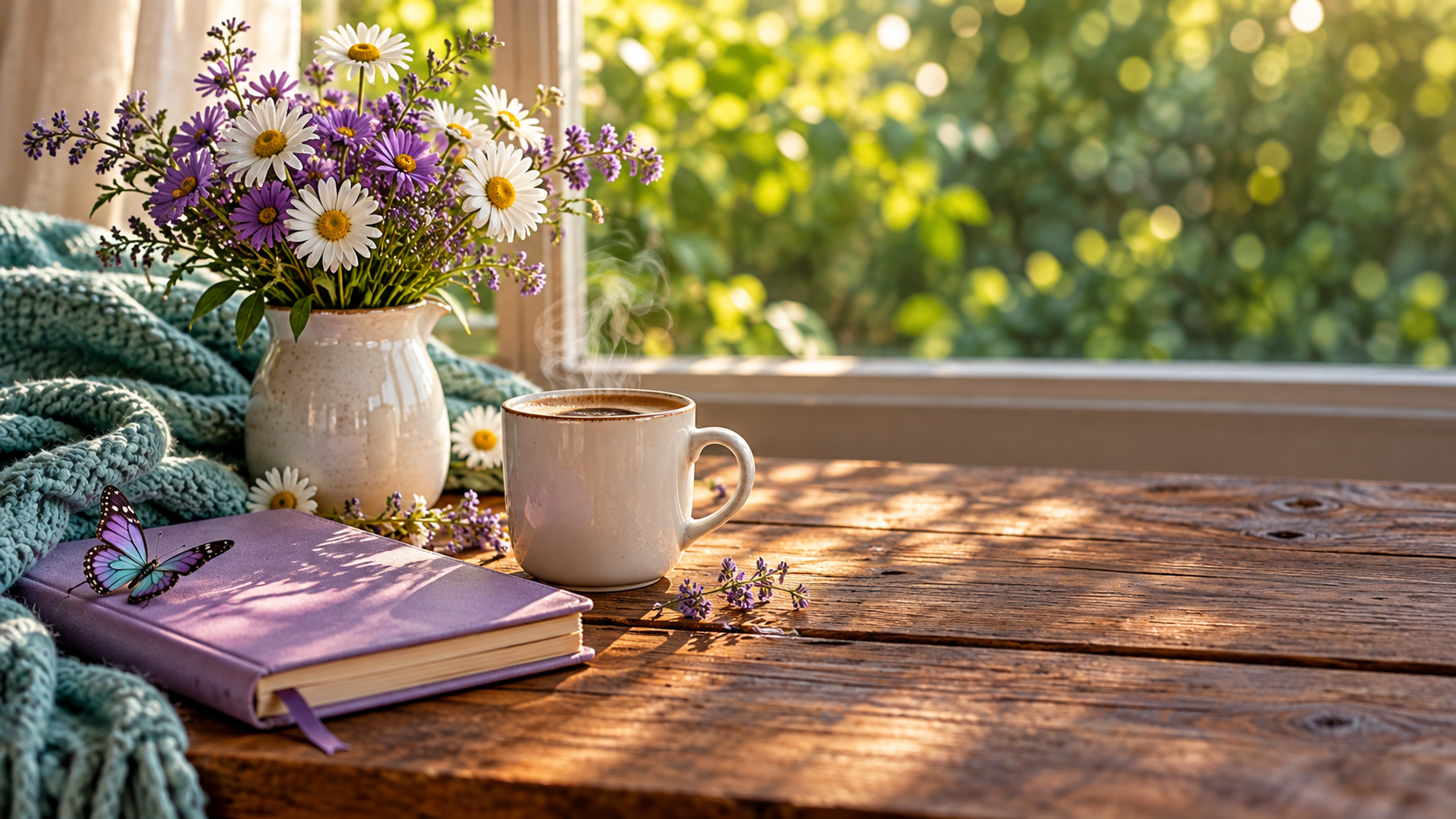
🦋 Welcome to Jen’s world
Small Moments…
Big Joys
Travel · Food · Home · Health · Heart
A lifestyle blog by a disabled woman with a unique perspective — finding beauty in lavender mornings, mountain views, butterflies, and the quiet joy of a warm mug by the window.
Explore by Theme
🦋 Travel
🦋 Recipes
🦋 Home & Garden

🦋 Fashion & Style

🦋 Healthy Living
🦋
Stay Connected
Get the latest posts, recipes, travel tips and more delivered to your inbox!
Latest from the Blog
-

Cozy Fall Goodness is “Whats for Dinner Tonight”
As the days grow shorter and the air turns crisp, there’s nothing quite like the comfort of a…
-
 accolade, Adopt, adults, agenda, Amazon, Amazon Fresh, Amazon Prime, America, amusement, appreciation, autumn, Bacon, barbeques, baseball, basket ball, beach, beverage, big game, blog, bread, brothers and sisters, brownie, cake, calander, casserole, Celebration of Life, cell phone, characters, cheer, chips, chocolate, clothing, cocktail, coffee, Collectables, college, comfort, community, companion, condiments, cookies, cooking, deli, desserts, Diets, dinner, Discovery, drink, drink responsibly, drive through, encourage, entertaining, explore, fall, family, family traditions, flavor, food, football, freedom, friends, friendship, fruit, fudge, Geek, german American, gifts, giving, goals, Google, Greek, grocery shopping, habits, handpainted, high school, Hispanic American, history, hobby, Homemade, hosting, inspiration, inspire, instagram, iPhone, ipod, irish, Italian-American, Japanese, Jewish American, keto, kitchen, Korean American, laugh, lifestyle, lunch, memories, men, mom, music, National weather service, native American, nurture, nuts and seeds, outdoors, pantry, party, pasta, Philippines, picnic, Pie, Pintrest, pizza, popcorn, population, read, Recipes, relax, remember, Retailers, Road Trip, sauces, savory, school, Scottish-American, season, seniors, September, serve, share, smile, smoothie, social media, Spring, States, story, sun protection, Super Bowl, tailgate, tea, teen, travel, Trivia, United States of America, Unplugging, water, winter, women
NATIONAL TAILGATING DAY
On the first Saturday in September National Tailgating Day reminds us what the autumn colors and scents already…
-
 accolade, adults, Amazon, Amazon Fresh, Amazon Prime, America, appreciation, autumn, back yard, bakery, baking, baklava, banana, barbeques, beach, beauty, bee, beverage, blog, books, Brands, bread, breakfast, brothers and sisters, brunch, butterflies, butterfly, cake, Celebration of Life, characters, children, chinese, classics, Clean, cocktail, comfort, community, condiments, cookies, cooking, desserts, Diets, Discovery, educate, encourage, entertaining, environment, explore, exploring history, fall, family, farmers market, flavor, food, freedom, friends, friendship, fruit, fudge, Gala, Geek, german American, gifts, Gluten free, goals, Google, granola, gratitude, Greek, Greek yogurt, grocery shopping, health, health and beauty, Hispanic American, history, Homemade, honey, honey bee, honey month, hosting, household, inspiration, inspire, instagram, international, irish, Italian-American, Japanese, Jewish American, kitchen, Korean American, learn, lifestyle, luxury, memories, men, monthly observations, movies, muffin, native American, nature, near me, nurture, nuts and seeds, pancake, pantry, peach, peaches, Philippines, Pintrest, Pollinators, population, pumpkin, read, Recipes, relax, remedy, remember, restaurant, Retailers, sauces, Scottish-American, seafood, September, serve, share, Shipt, shopping, smile, smoothie, snack, social media, Spring, summer, sweet, teach, travel, Trivia, United States of America, Unplugging, vegan, women
NATIONAL HONEY MONTH
Honey is a sweet and viscous fluid produced by honey bees, and derived from the nectar of flowers.…
-
 adult beverage, adult juice slush, adults, Amazon, Amazon Fresh, Amazon Prime, America, appreciation, August, autumn, back to school, bakery, baking, barbeques, beach, beverage, Bingable, blog, Brands, brothers and sisters, brunch, cake, candy, Celebration of Life, characters, cheesecake, children, chinese, coastal, cocktail, college, comfort, cooking, Diets, Discovery, drink, encourage, entertaining, explore, exploring history, fall, family, farmers market, flavor, food, freedom, friends, friendship, fruit, fun, german American, goals, Google, gratitude, Greek, Hispanic American, history, Homemade, hosting, inspiration, inspire, inst a cart, instagram, irish, Italian-American, jamaican, Japanese, Jewish American, Juice slush, kitchen, Korean American, lifestyle, luau, lunch, luxury, memories, men, native American, nature, nurture, pancake, pantry, party, Philippines, picnic, Pintrest, population
NATIONAL PASSION FRUIT DAY
We celebrate National Passion Fruit Day each year on August 9. Join us today as we celebrate the…
-
 accolade, America, appreciation, autumn, baking, berries, berry, blueberry, Celebration of Life, cherry, cold, cooking, coupon, desserts, Diets, Discovery, donut, drive through, encourage, explore, fall, friendship, fruit, inspiration, managing money, men, Road Trip, romance, smile, Spring, States, strawberry, warm, winter
NATIONAL CHEESECAKE DAY
National Cheesecake Day on July 30th offers a slice of one of America’s favorite desserts. Order up a…