
🦋 Welcome to Jen’s world
Small Moments…
Big Joys
Travel · Food · Home · Health · Heart
A lifestyle blog by a disabled woman with a unique perspective — finding beauty in lavender mornings, mountain views, butterflies, and the quiet joy of a warm mug by the window.
Explore by Theme

🦋 Travel
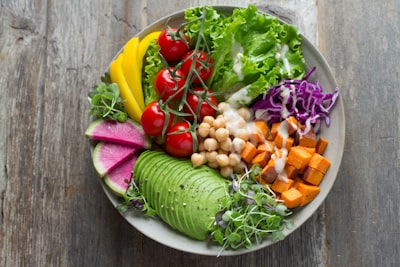
🦋 Recipes
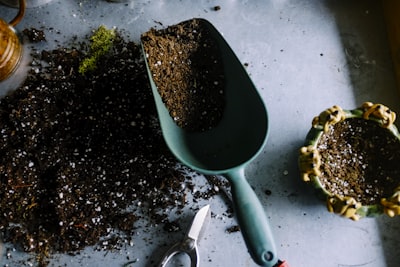
🦋 Home & Garden

🦋 Fashion & Style

🦋 Healthy Living
🦋
Stay Connected
Get the latest posts, recipes, travel tips and more delivered to your inbox!
Latest from the Blog
-
 America, Celebration of Life, cooking, desserts, Diets, Discovery, donut, encourage, exploring history, fall, friendship, inspiration, men, October, self care, smile, Spring, winter
NATIONAL FLUFFERNUTTER DAY
National Fluffernutter Day on October 8th brings about a yummy and extraordinary combination. Some food holidays are stickier…
-
 Adopt, adults, Amazon, Amazon Prime, America, apple, appreciation, autumn, back yard, backyard barbecue, banana, barbeques, beach, beer, berries, berry, beverage, big game, blog, blueberry, Brands, breakfast, brothers and sisters, brunch, Celebration of Life, celebrity, characters, children, chocolate, Christmas, Cinco de Mayo, Clean, cocktail, coffee, cold, college, community, cooking, cranberry, Discovery, drink, Easter, encourage, explore, fall, family, friends, friendship, fruit, fun, grape, grocery shopping, herbs and spices, heritage, history, Holiday, Homemade, ice cream, inspiration, lifestyle, lunch, mango, memories, men, monthly observations, mothers day, native American Heritage, new year’s, outdoors, party, peaches, pears, punch, read, Recipes, relax, Retailers, season, September, serve, share, shopping, sisters, smile, spices, Spring, strawberry, summer, sweet, travel, Trivia, United Kingdom, United States of America, vacation, Valentine’s day, Vintage, warm, watermelon, wedding, wine, winter, women
NATIONAL PUNCH DAY
While one perspective suggests honoring tools used to make holes, another points to a day created to throw…
-
 accolade, adults, books, breakfast, Celebration of Life, children, Christmas, Christmas cookies, community, cookies, Diets, dinner, Discovery, Easter, family, food, friends, friendship, health, history, Holiday, party, read, Recipes, summer, Thanksgiving, Trivia, women
NATIONAL PEANUT DAY
On September 13th National Peanut Day pays homage to mighty and tasty peanut. Likely originating in South America…
-
 accolade, America, appreciation, autumn, Celebration of Life, cold, college, desserts, Diets, Discovery, encourage, explore, fall, friendship, fruit, inspiration, men, Road Trip, serve, smile, Spring, strawberry, winter
NATIONAL BANANA SPLIT DAY
National Banana Split Day recognizes the sweet ice cream treat served with a banana, whipped cream, and various…
-
 accolade, Adopt, Amazon Prime, America, appreciation, autumn, back yard, berries, berry, blog, Brands, Celebration of Life, chocolate, classics, cold, cooking, desserts, Diets, Discovery, encourage, explore, exploring history, fall, famous, fast food, friendship, fruit, heritage, inspiration, memories, men, restaurant, Retailers, self care, serve, smile, soft, Spring, States, story, strawberry, warm, winter
SOFT ICE CREAM DAY
National Soft Ice Cream Day on August 19th gives us a tasty way to cool off on a…