
🦋 Welcome to Jen’s world
Small Moments…
Big Joys
Travel · Food · Home · Health · Heart
A lifestyle blog by a disabled woman with a unique perspective — finding beauty in lavender mornings, mountain views, butterflies, and the quiet joy of a warm mug by the window.
Explore by Theme

🦋 Travel
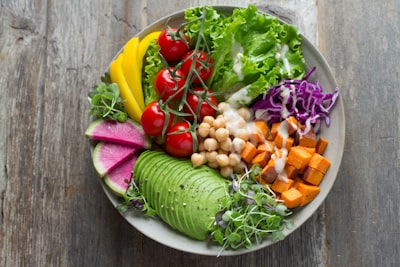
🦋 Recipes
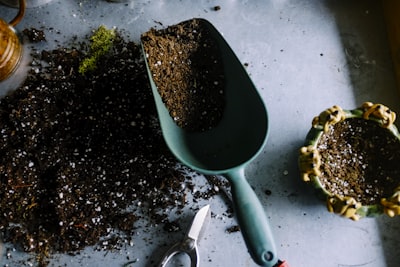
🦋 Home & Garden

🦋 Fashion & Style

🦋 Healthy Living
🦋
Stay Connected
Get the latest posts, recipes, travel tips and more delivered to your inbox!
Latest from the Blog
-
 accolade, Adopt, adults, Amazon, Amazon Fresh, Amazon Prime, America, appreciation, autumn, awareness, baby, backyard barbecue, bakery, baking, barbeques, berries, berry, birthday, blog, books, Brands, bread, breakfast, brothers and sisters, brownie, brunch, cake, casserole, Celebration of Life, characters, children, chinese, Christmas cookies, cookies, cooking, desserts, Diets, dinner, Discovery, donut, doughnut, Easter recipes, encourage, entertaining, everyday, explore, exploring history, fall, family, flavor, food, freedom, french toast, friends, friendship, german American, goals, Google, granola, gratitude, Greek, grocery shopping, habits, healthy, Hispanic American, history, Homemade, hosting, inspiration, inspire, inst a cart, instagram, irish, Italian-American, Japanese, Jewish American, keto, Korean American, learn, lifestyle, lunch, memories, men, monthly observations, muffin, native American, nurture, pancake, pantry, pasta, Philippines, picnic, Pintrest, popcorn, population, read, Recipes, restaurant, Retailers, rice, Scottish-American, seeds, self care, serve, share, Shipt, smile, snack, social media, Spring, States, summer, travel, Trivia, United States of America, Whole foods, winter, women
WHOLE GRAINS MONTH
Throughout September, Whole Grains Month promotes the benefits and flavors of whole grains in a healthy diet. Whole…
-
 accolade, America, appreciation, autumn, backyard barbecue, baking, barbecue, Celebration of Life, cooking, desserts, Diets, Discovery, encourage, explore, fall, friendship, household, men, patriotic, smile, soup, Spring, States, warm, winter
NATIONAL CORN ON THE COB DAY
June 11 of each year is the day to celebrate National Corn on the Cob Day. Fresh corn…
-
 almonds, Amazon Prime, America, appreciation, autumn, bakery, baking, blog, Brands, brothers, brownie, brunch, cashews, casserole, Celebration of Life, Chicken pot pie, classics, cooking, desserts, Diets, Discovery, donut, Easter dinner, encourage, explore, fall, famous, grocery shopping, heritage, Italian-American, Jewish American, keto, lifestyle, March, men, mom, nuts, nuts and seeds, pizza, pretzel, restaurant, Retailers, Scottish American Heritage, seafood, serve, Shipt, spices, Spring, States, story, United States of America, winter
WORLD FLOUR DAY
On March 20th, World Flour Day recognizes the importance of flour in our daily diets and our health.…
-
 accolade, Adopt, Amazon Prime, America, apple, appreciation, autumn, back to school, berry, blog, Celebration of Life, celebrity, chocolate, cold, Diets, Discovery, encourage, explore, exploring history, fall, friendship, fruit, hot, household, inspiration, lifestyle, March, memories, men, remember, restaurant, Retailers, self care, smile, spices, Spring, States, strawberry, United States of America, warm, winter
NATIONAL CEREAL DAY
March 7th urges us to get our bowl spoon ready for National Cereal Day each year! Since the…
-
 accolade, Adopt, almonds, Amazon Prime, America, appreciation, autumn, bakery, baking, berries, berry, blog, Brands, brothers and sisters, brownie, brunch, cashews, Celebration of Life, classics, cooking, desserts, Diets, Discovery, donut, encourage, explore, exploring history, fall, fast food, fish fry, german American, Gluten free, grocery shopping, heritage, household, inspiration, irish, Italian-American, keto, lifestyle, men, mom, monthly observations, native American Heritage, nuts, nuts and seeds, pot pie, restaurant, Retailers, Sandwhich, Scottish American Heritage, seafood, seeds, serve, Shipt, snack, soup, spices, Spring, States, story, sunflower seeds, United States of America, vegan, winter
National Flour Month
National Flour Month in March is a time to recognize the versatility of this ground staple kitchen item. Grab…