
🦋 Welcome to Jen’s world
Small Moments…
Big Joys
Travel · Food · Home · Health · Heart
A lifestyle blog by a disabled woman with a unique perspective — finding beauty in lavender mornings, mountain views, butterflies, and the quiet joy of a warm mug by the window.
Explore by Theme

🦋 Travel
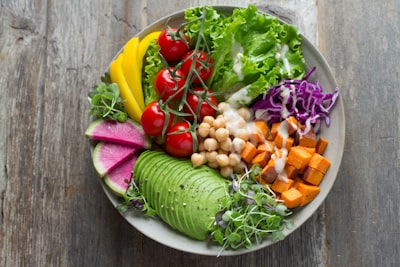
🦋 Recipes
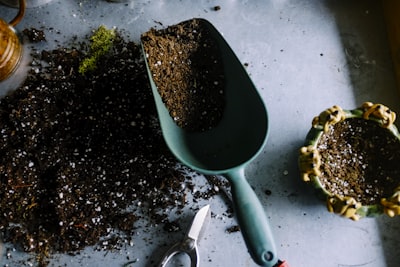
🦋 Home & Garden

🦋 Fashion & Style

🦋 Healthy Living
🦋
Stay Connected
Get the latest posts, recipes, travel tips and more delivered to your inbox!
Latest from the Blog
-
 Amazon Prime, America, appreciation, autumn, awareness, bakery, baking, blog, Celebration of Life, cooking, Discovery, EMT, encourage, explore, exploring history, fall, friendship, giving, heart health, inspiration, lifestyle, memories, men, safety, self care, Spring, United States of America, winter
NATIONAL STROKE AWARENESS MONTH
May is World Stroke Month. Many health and heart organizations come together every May to raise awareness about…
-
 accolade, Adopt, almonds, Amazon Prime, America, appreciation, asparagus, autumn, bakery, baking, barbeques, beverage, blog, blueberry, brothers and sisters, brunch, cabbage, casserole, Celebration of Life, classics, cooking, Diets, Discovery, encourage, explore, exploring history, fall, garden, german American, Gluten free, grocery shopping, heart health, heritage, Hispanic American, Italian-American, Jewish American heritage, keto, lifestyle, March, men, mom, monthly observations, native American Heritage, pot pie, restaurant, Retailers, salad, Sandwhich, Scottish American Heritage, seafood, serve, Shipt, smoothie, soup, spices, Spring, United States of America, vegan, vegetables, warm, winter
NATIONAL SPINACH DAY
On March 26th each year, National Spinach Day reminds us of the health benefits packed into this leafy…
-
 accolade, Adopt, Amazon Prime, America, appreciation, Athletic, autumn, back to school, baseball, blog, books, Brands, calander, Celebration of Life, celebrity, college, companion, Discovery, emergency preparedness, explore, fall, football, friendship, inspiration, keto, lifestyle, March, men, monthly observations, playlist, sports, Spring, United States of America, winter
NATIONAL ATHLETIC TRAINING MONTH
Every March, National Athletic Training Month focuses on the impact Athletic Trainers (ATs) have on the safety and…
-
 accolade, Adopt, adult beverage, adults, agenda, Amazon, Amazon Fresh, Amazon Prime, America, American, Appliance, appreciation, authors, autumn, back to school, beach, beautiful, beverage, blog, board game, books, Brands, breakfast, brothers and sisters, brunch, business, cake, casino, characters, cheesecake, coffee, comfort, cookies, desserts, Diets, dinner, Discovery, drive through, emergency preparedness, encourage, entertaining, everyday, explore, exploring history, fall, family, family traditions, fiction, flavor, freedom, French Market, french toast, friends, friendship, fudge, Geek, german American, gifts, giving, goals, Google, gratitude, Greek, grocery shopping, healthy, Hispanic American, history, Homemade, hospital, hosting, hotel, inspiration, inspire, instagram, international, irish, Italian-American, jamaican, Japanese, jazz, Jewish American, keto, kitchen, Korean American, lifestyle, March, memories, men, Military, monthly observations, movies, native American, news, nurture, office, outdoors, pantry, party, Philippines, phone a friend, picnic, Pie, Pintrest, police, Polish American, population, productivity, pumpkin spice, read, Recipes, relax, remember, resort, restaurant, Retailers, ritual, Road Trip, save, save money, Scottish-American, seniors, serve, share, shopping, sisters, smile, smoothie, social media, Spring, star gazing, Starbucks, States, summer, teach, travel, Trivia, United Kingdom, United States of America, Unplugging, vacation, Veteran, warm, winter, women, Work from home, World, young adults
NATIONAL CAFFEINE AWARENESS MONTH
National Caffeine Awareness Month in March reminds us that our fifth cup of java may be harmful to…
-

Spay & Neuter Awareness Month: A Cause for Compassion
February is more than just a month for chilly weather and heartfelt valentines; it’s also Spay and Neuter…