
🦋 Welcome to Jen’s world
Small Moments…
Big Joys
Travel · Food · Home · Health · Heart
A lifestyle blog by a disabled woman with a unique perspective — finding beauty in lavender mornings, mountain views, butterflies, and the quiet joy of a warm mug by the window.
Explore by Theme

🦋 Travel
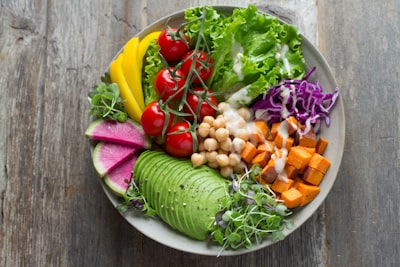
🦋 Recipes
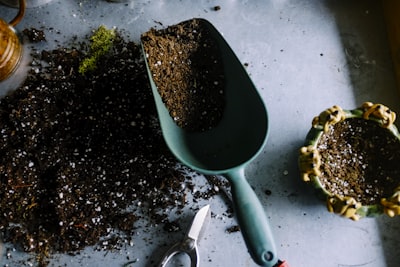
🦋 Home & Garden

🦋 Fashion & Style

🦋 Healthy Living
🦋
Stay Connected
Get the latest posts, recipes, travel tips and more delivered to your inbox!
Latest from the Blog
-
 accolade, Adopt, Amazon Prime, America, appreciation, April, autumn, back to school, blog, Celebration of Life, cherry, companion, Diets, Discovery, encourage, explore, exploring history, fall, friendship, lifestyle, memories, men, Sandwhich, sandwich, Spring
NATIONAL PEANUT BUTTER AND JELLY DAY
On April 2nd each year, National Peanut Butter and Jelly Day celebrates a classic food favorite. The average…
-
 accolade, Adopt, Amazon Prime, America, appreciation, back to school, bakery, baking, banana, berries, berry, beverage, blog, blueberry, Brands, brothers and sisters, brownie, brunch, Celebration of Life, chocolate, classics, college, cooking, desserts, Diets, Discovery, donut, encourage, explore, fall, friendship, fruit, heritage, inspiration, keto, lifestyle, March, memories, men, mom, monthly observations, nut butters, nuts, peaches, peanut butter, peanuts, Retailers, sandwich, serve, smile, snack, Spring, tea, United States of America, winter, work
NATIONAL PEANUT BUTTER LOVER’S DAY
March 1st was made for National Peanut Butter Lover’s Day. Ah, peanut butter. One day is not enough…
-
 accolade, Adopt, Amazon Prime, America, appreciation, autumn, bakery, baking, barbeques, blog, brunch, candy, Celebration of Life, chocolate, classics, cold, college dorm, cooking, Diets, Discovery, encourage, explore, exploring history, fall, football, friendship, inspiration, lifestyle, March, memories, men, restaurant, Retailers, serve, smile, Spring, States, United States of America, winter
National Peanut Month
March celebrates one of America’s favorite snack foods…Peanuts! National Peanut Month had its beginnings as National Peanut Week…
-
 accolade, Adopt, adults, Amazon, Amazon Prime, America, appreciation, autumn, bakery, baking, barbeques, beach, beverage, biking, birthday, blog, books, Brands, bread, breakfast, brothers and sisters, brownie, brunch, cake, candy, Celebration of Life, characters, children, chocolate, Christmas, coffee, cold, Collectables, college, comfort, community, companion, cookies, cool, crafts, desserts, Diets, dinner, Discovery, dog, encourage, entertaining, explore, exploring history, fall, family, fast food, food, freedom, french toast, friends, friendship, fruit, fun, german American, goals, Google, granola, Greek, grocery shopping, health, heritage, Hispanic American, history, Holiday, honey, hosting, household, ice cream, inspiration, inspire, irish, Italian-American, jamaican, January, Japanese, Jewish American, Korean American, late night snack, laugh, lifestyle, lunch, marshmallow, memories, Military, mom, native American, nut butters, nuts, nuts and seeds, outdoors, pantry, peanut butter, peanuts, Philippines, Pintrest, population, pretzel, read, Recipes, relax, remember, reminders, Retailers, Road Trip, sandwich, save money, school, Scottish-American, seniors, serve, share, shopping, sisters, smile, smoothie, snack, social media, sports, States, story, strawberry, summer, sunflower seeds, sweet, tea, Television, travel, Trivia, United Kingdom, United Nations, United States of America, vacation, Valentine’s day, vegan, Vintage, wine, winter, women, work
NATIONAL PEANUT BUTTER DAY
National Peanut Butter Day on January 24th recognizes an American staple in our pantries. Whether creamy or chunky,…
-
 autumn, baking, barbeques, berries, berry, blog, blueberry, books, brunch, candy, Celebration of Life, chocolate, college, cooking, desserts, Diets, Discovery, donut, encourage, explore, fall, food drive, friendship, fruit, inspiration, mango, men, November, peaches, Road Trip, sandwich, serve, smile, Spring, winter
NATIONAL PEANUT BUTTER LOVERS MONTH
National Peanut Butter Lovers Month is an annual designation observed in November. Excuse me as I get up…