
🦋 Welcome to Jen’s world
Small Moments…
Big Joys
Travel · Food · Home · Health · Heart
A lifestyle blog by a disabled woman with a unique perspective — finding beauty in lavender mornings, mountain views, butterflies, and the quiet joy of a warm mug by the window.
Explore by Theme

🦋 Travel
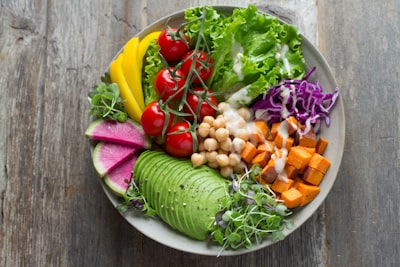
🦋 Recipes
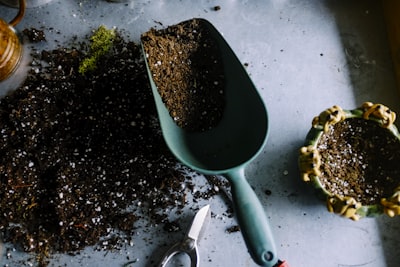
🦋 Home & Garden

🦋 Fashion & Style

🦋 Healthy Living
🦋
Stay Connected
Get the latest posts, recipes, travel tips and more delivered to your inbox!
Latest from the Blog
-
 adults, agenda, almonds, Amazon, Amazon Prime, America, animals, appreciation, April, arts, astronomy, authors, baby chicks, back yard, baking, balloon, baseball, basket ball, beach, bee, beverage, bicycle, birds, blog, board game, books, breakfast, brothers and sisters, brownie, brunch, bunnies, bunny, butterflies, butterfly, cake, calander, candy, Celebration of Life, characters, chicks, children, chocolate, citrus, clothing, coffee, Collectables, comfort, community, contest, crafts, Discovery, disney, donut, doughnut, drink, Easter, Easter basket, easter bunny, Easter dinner, Easter eggs, Easter recipes, Easter-themed, ecards, encourage, entertaining, exercise, explore, exploring history, family, family traditions, flavor, food, football, fragrance, freedom, fresh flowers, friends, friendship, fruit, fun, funny, games, garden, german American, gifts, golf, Google, gratitude, gummy, heritage, Heroes, Hispanic American, history, Holiday, Homemade, hosting, hugs, ice cream, inspiration, inspire, instagram, iPhone, ipod, irish, Italian-American, jewelry, kitchen, Korean American, laugh, learn, lemon, lifestyle, March, marshmallow, memories, men, mom, monthly observations, movies, music, native American, nurture, nuts and seeds, outdoors, painting, party, Peace, pets, Pintrest, Recipes, relax, remember, reminders, restaurant, Retailers, Scottish-American, share, smile, snack, social media, soft, Spring, Starbucks, story, strawberry, technology, teen, teenager, teens, travel, Trivia, United Kingdom, United States of America, Wardrobe, women
EASTER
https://videopress.com/v/w8CzkQUS?resizeToParent=true&cover=true&preloadContent=metadata&useAverageColor=true Easter is observed on the first Sunday following the full moon after the vernal equinox. Considered Christianity’s…
-
 Adopt, agenda, Amazon Prime, America, animals, appreciation, April, awareness, back yard, backyard barbecue, bakery, baking, barbeques, baseball, bathroom, beverage, blog, board game, books, Brands, brothers and sisters, butterflies, butterfly, calander, Celebration of Life, celebrity, classics, clothing, cooking, Discovery, Easter dinner, Easter recipes, electronics, encourage, explore, exploring history, friendship, giving, heritage, inspiration, lifestyle, memories, men, mom, monthly observations, natural disaster, nurture, Peace, Positivity, remember, self care, smile, social media, songs, Spring, Uncategorized, United States of America, volunteers, warm, website, winter
NATIONAL MONTH OF HOPE
During April, buds come into full bloom brightening our days, and the National Month of Hope also lends…
-
 accolade, Adopt, Amazon Prime, America, appreciation, autumn, blog, Celebration of Life, college, Discovery, explore, exploring history, friendship, household, lifestyle, March, memories, men, Spring, States, story, United States of America, winter
NATIONAL OPEN AN UMBRELLA INDOORS DAY
National Open an Umbrella Indoors Day is observed annually on March 13th. One often wonders how superstitions are passed…
-
 accolade, America, autumn, awareness, Celebration of Life, Discovery, explore, exploring history, fall, inspiration, March, men, patriotic, self care, smile, Spring, United States of America, Valor, War, winter
NATIONAL HUG A G.I. DAY
As the only day on the calendar that is mnemonically a military command, March 4th recognizes National Hug…
-
 accolade, Adopt, adults, Amazon, Amazon Prime, America, appreciation, Apps, autumn, bath, beach, blog, books, Brands, brothers and sisters, bunny, butterfly, cats, Celebration of Life, characters, chat, cheer, children, classics, Clean, Collectables, college, comfort, community, cool, cozy, Discovery, dog, ebook, ecards, empower, encourage, explore, fall, family, fragrance, freedom, friends, friendship, garden, german American, gifts, goals, Google, gratitude, health, Heroes, Hispanic American, history, hobby, home, hugs, immune system, inspiration, inspire, instagram, internet, irish, Italian-American, itunes, jamaican, Japanese, jazz, Jewish American, Korean American, laugh, learn, lifestyle, memories, men, mental health, Military, mom, movies, music, native American, nurture, organization, peace of mind, Philippines, Pintrest, population, Positivity, productivity, relax, remember, reminders, Retailers, Scottish-American, serve, share, smart watch, smile, social media, Spring, story, strategy, summer, travel, United States of America, warm, winter, women, Work from home, write
National Erase Self-Negativity Day
April 10 means today is National Erase Self-Negativity Day on the National Day Calendar. We are spending the…