
🦋 Welcome to Jen’s world
Small Moments…
Big Joys
Travel · Food · Home · Health · Heart
A lifestyle blog by a disabled woman with a unique perspective — finding beauty in lavender mornings, mountain views, butterflies, and the quiet joy of a warm mug by the window.
Explore by Theme

🦋 Travel
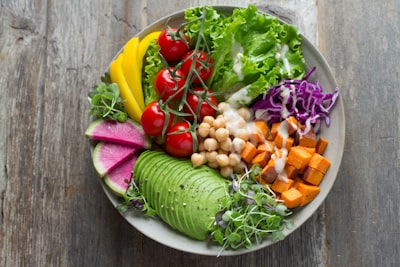
🦋 Recipes
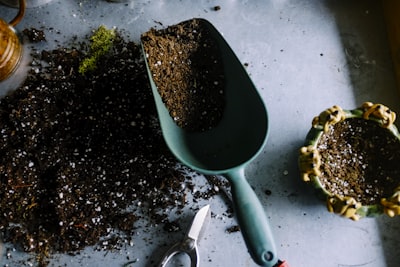
🦋 Home & Garden

🦋 Fashion & Style

🦋 Healthy Living
🦋
Stay Connected
Get the latest posts, recipes, travel tips and more delivered to your inbox!
Latest from the Blog
-
 accolade, Adopt, agenda, Amazon Prime, America, appreciation, back to school, bakery, baking, beverage, blog, books, Brands, brothers and sisters, brunch, calander, cashews, Celebration of Life, cheese, chocolate, classics, cocktail, cold, cooking, cozy, desserts, Diets, Discovery, encourage, exploring history, friendship, fruit, german American, grocery shopping, heritage, inspiration, irish, Italian-American, Jewish American heritage, keto, learn, lifestyle, memories, mom, monthly observations, native American Heritage, nurture, restaurant, Retailers, sauces, Scottish American Heritage, serve, Shipt, sisters, smile, smoothie, snack, soup, spices, Spring, States, tablet, tea, United States of America, warm, winter
WORLD MILK DAY
Real milk takes the spotlight on World Milk Day, always on June 1. The day is intended to…
-
 adults, Amazon, Amazon Prime, America, animals, appreciation, asia, Australia, autumn, baby, back yard, bakery, baking, barbeques, beach, beverage, blog, Brands, bread, brothers and sisters, cake, casserole, cats, Celebration of Life, characters, cheese, cheesecake, children, chinese, chocolate, Christmas, classics, cocktail, coffee, cold, college, comfort, community, cookies, cooking, coupon, desserts, Diets, dinner, Discovery, drink, Easter, encourage, entertaining, explore, exploring history, fall, family, farmers market, flavor, fondue, freedom, french toast, friends, friendship, fudge, german American, Gluten free, goals, Google, granola, gratitude, Greek, Greek yogurt, grocery shopping, health, healthy, Hispanic American, history, Holiday, hosting, household, ice cream, inspiration, inspire, instagram, irish, Italian-American, jamaican, Japanese, Jewish American, june, keto, kitchen, Korean American, late night snack, lifestyle, lunch, memories, milk, mom, monthly observations, native American, nature, nurture, nuts, pets, Philippines, picnic, Pintrest, Recipes, refrigerator, remember, reminders, Retailers, sauces, Scottish-American, seafood, serve, share, smile, smoothie, snack, social media, soup, Spring, States, summer, tea, travel, Trivia, United Kingdom, United Nations, United States of America, winter, women
National Dairy Month
National Dairy Month in June celebrates the many contributions of the dairy industry to our health and economy.…
-
 accolade, America, appreciation, autumn, blog, books, Celebration of Life, college, Discovery, encourage, explore, exploring history, fall, inspiration, lifestyle, March, men, self care, serve, Spring, story, United States of America, winter
NATIONAL CERTIFIED NURSES DAY
Every March 19th, National Certified Nurses Day celebrates the certified nurses who impact lives every day. Certified nurses…
-
 accolade, Adopt, Amazon Prime, America, appreciation, awareness, blog, brothers and sisters, candy, Celebration of Life, classics, college, companion, Discovery, encourage, exploring history, fall, friendship, gift guide, gifts, giving, inspiration, lifestyle, memories, men, nursing, Positivity, Retailers, safety, smile, Spring, States, story, United States of America, warm, winter
NATIONAL EMERGENCY NURSE’S DAY
National Emergency Nurse’s Day on the second Wednesday in October recognizes the dedication of ER nurses across the…
-

NATIONAL NEONATAL NURSES DAY
On September 15th each year, National Neonatal Nurses Day recognizes those who care for the most fragile patients…