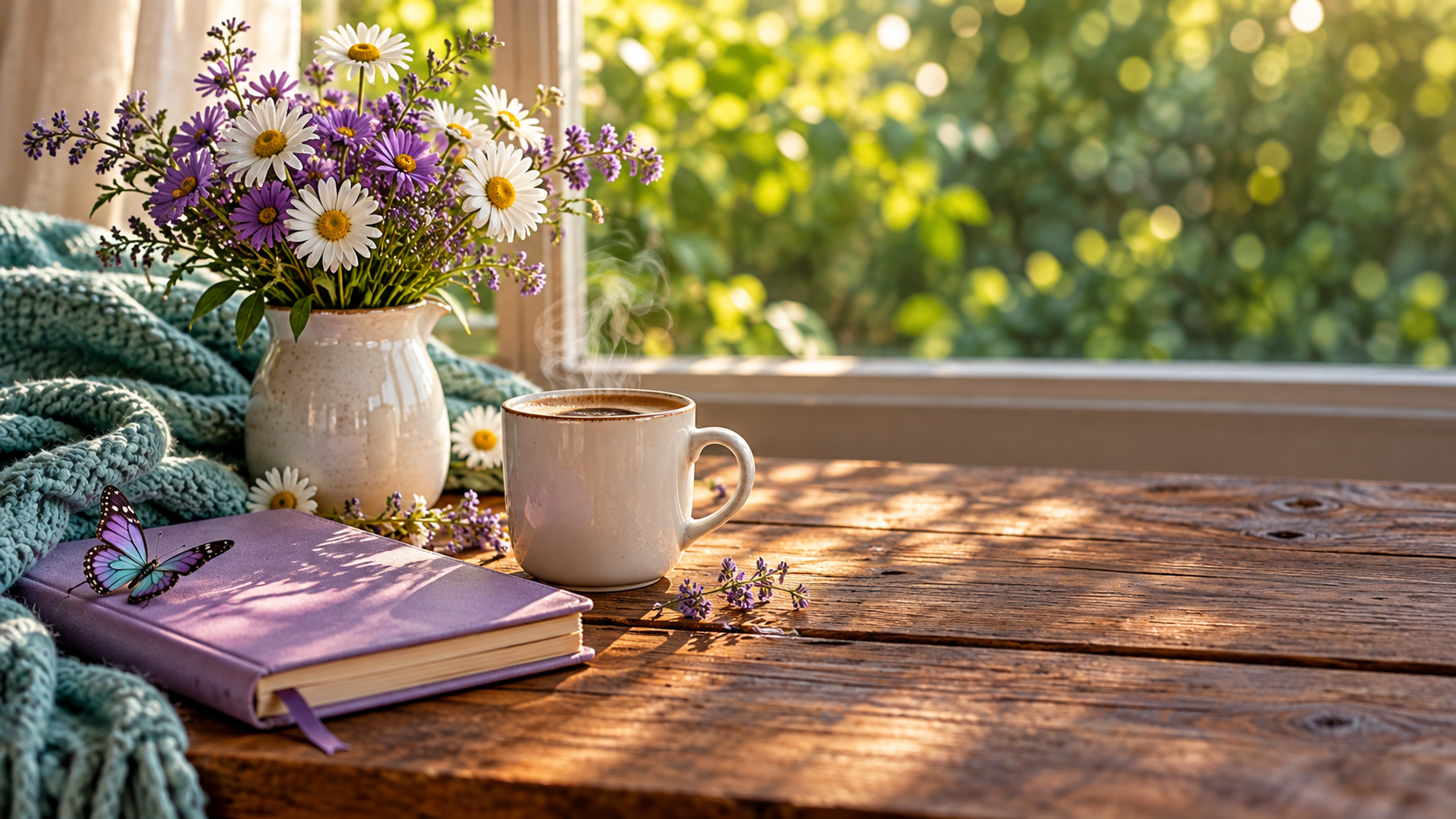
🦋 Welcome to Jen’s world
Small Moments…
Big Joys
Travel · Food · Home · Health · Heart
A lifestyle blog by a disabled woman with a unique perspective — finding beauty in lavender mornings, mountain views, butterflies, and the quiet joy of a warm mug by the window.
Explore by Theme
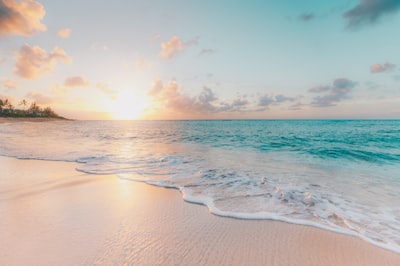
🦋 Travel
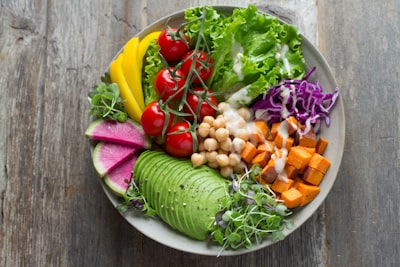
🦋 Recipes
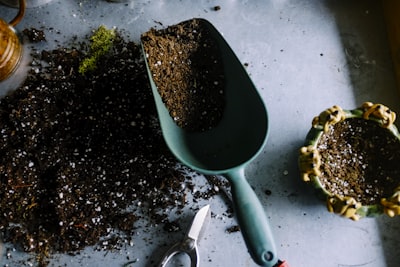
🦋 Home & Garden

🦋 Fashion & Style

🦋 Healthy Living
🦋
Stay Connected
Get the latest posts, recipes, travel tips and more delivered to your inbox!
Latest from the Blog
-
 accolade, adults, berries, berry, breakfast, Celebration of Life, characters, community, cool, Diets, drink, family, food, friends, friendship, goals, health, lunch, Recipes, save money, self care, side dish, summer, women, Work from home
NATIONAL FRUIT AT WORK DAY
On the first Tuesday in October, National Fruit at Work Day encourages some fruitiness to get you through…
-
 accolade, adults, Amazon, Amazon Fresh, Amazon Prime, America, appreciation, autumn, back yard, bakery, baking, baklava, banana, barbeques, beach, beauty, bee, beverage, blog, books, Brands, bread, breakfast, brothers and sisters, brunch, butterflies, butterfly, cake, Celebration of Life, characters, children, chinese, classics, Clean, cocktail, comfort, community, condiments, cookies, cooking, desserts, Diets, Discovery, educate, encourage, entertaining, environment, explore, exploring history, fall, family, farmers market, flavor, food, freedom, friends, friendship, fruit, fudge, Gala, Geek, german American, gifts, Gluten free, goals, Google, granola, gratitude, Greek, Greek yogurt, grocery shopping, health, health and beauty, Hispanic American, history, Homemade, honey, honey bee, honey month, hosting, household, inspiration, inspire, instagram, international, irish, Italian-American, Japanese, Jewish American, kitchen, Korean American, learn, lifestyle, luxury, memories, men, monthly observations, movies, muffin, native American, nature, near me, nurture, nuts and seeds, pancake, pantry, peach, peaches, Philippines, Pintrest, Pollinators, population, pumpkin, read, Recipes, relax, remedy, remember, restaurant, Retailers, sauces, Scottish-American, seafood, September, serve, share, Shipt, shopping, smile, smoothie, snack, social media, Spring, summer, sweet, teach, travel, Trivia, United States of America, Unplugging, vegan, women
NATIONAL HONEY MONTH
Honey is a sweet and viscous fluid produced by honey bees, and derived from the nectar of flowers.…
-
 accolade, America, appreciation, April, autumn, baking, berries, berry, blog, blueberry, books, brunch, candy, Celebration of Life, chocolate, cooking, desserts, Discovery, donut, encourage, explore, fall, February, friendship, fruit, inspiration, mango, men, mothers day, November, October, pumpkin, restaurant, Retailers, September, serve, smile, Spring, States, strawberry, warm, winter
NATIONAL PENUCHE FUDGE DAY
National Penuche Fudge Day on July 22nd recognizes the creamy candy with an Italian name. If you like…
-
 accolade, America, appreciation, autumn, baking, berries, berry, blog, blueberry, books, brunch, Celebration of Life, chocolate, cooking, December, desserts, Diets, Discovery, donut, encourage, explore, fall, friendship, fruit, inspiration, men, mothers day, restaurant, Retailers, Road Trip, romance, serve, smile, Spring, Starbucks, States, story, strawberry, winter
NATIONAL FUDGE DAY
National Fudge Day is observed annually on June 16th. National Fudge Day is a food holiday that allows…
-
 cooking, desserts, Diets, Discovery, encourage, explore, fall, friendship, fruit, inspiration, keto, kindle, lifestyle, mango, men, mother nature, peaches, restaurant, Retailers, rhubarb, serve, smile, spices, Spring, States, strawberry, winter
National Papaya Month
National Papaya Month takes place in June. The vibrantly colored fruit grows on an herb in southern Mexico,…