
🦋 Welcome to Jen’s world
Small Moments…
Big Joys
Travel · Food · Home · Health · Heart
A lifestyle blog by a disabled woman with a unique perspective — finding beauty in lavender mornings, mountain views, butterflies, and the quiet joy of a warm mug by the window.
Explore by Theme

🦋 Travel
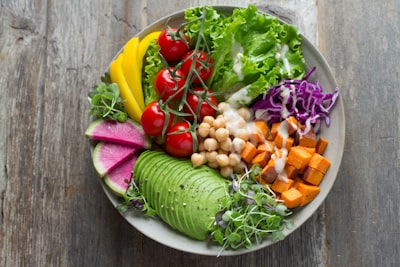
🦋 Recipes
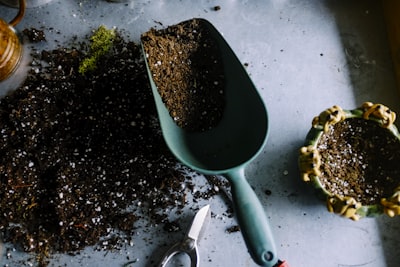
🦋 Home & Garden

🦋 Fashion & Style

🦋 Healthy Living
🦋
Stay Connected
Get the latest posts, recipes, travel tips and more delivered to your inbox!
Latest from the Blog
-
 accolade, Adopt, adults, almonds, Amazon, Amazon Prime, America, apple, Appliance, appreciation, apricot, art, August, autumn, Bacon, baking, banana, berries, berry, blog, blueberry, books, Brands, breakfast, brothers and sisters, brunch, butterscotch, Celebration of Life, characters, cheesecake, cherries, children, chinese, chocolate, Christmas, citrus, classics, coffee, comfort, cooking, cool, cozy, cranberry, desserts, Diets, Discovery, earth day, Easter, electronics, encourage, entertaining, everyday, explore, exploring history, fall, family, family time, flavor, food, food orders, freedom, friends, friendship, fruit, fudge, fun, german American, goals, Google, grapefruit, gratitude, Greek, Greek yogurt, grocery shopping, Hispanic American, history, Holiday, Homemade, honey, hosting, hotel, inspiration, inspire, inst a cart, instagram, inventions, irish, Italian-American, Japanese, Jewish American, keto, kitchen, Korean American, late night snack, laugh, learn, lifestyle, luxury, manners, memories, men, milk, mothers day, native American, near me, nut butters, oranges, pantry, party, peaches, peanut butter, Philippines, pineapple, pink grapefruit, Pintrest, Positivity, pumpkin, raspberry, read, Recipes, refrigerator, remember, resort, restaurant, restaurant seating, Road Trip, sauces, Scottish-American, seniors, serve, share, smile, social media, soft, Spring, strawberry, summer, sunflower seeds, sweet, teach, travel, Trivia, United States of America, vacation, Valentine’s day, vanilla ice cream, warm, winter, women
NATIONAL WAFFLE DAY
National Waffle Day on August 24th commemorates the anniversary of the first waffle iron patent issued. Celebrate by…
-
 America, appreciation, April, autumn, awareness, baking, barbecue, berries, berry, blueberry, cheese, cherry, cooking, December, desserts, Diets, Discovery, donut, Driscoll’s, encourage, environment-friendly, explore, exploring history, fall, friendship, fruit, heritage, March, men, money, November, October, patriotic, punch, safety, September, smile, soup, Spring, States, Super Bowl, warm, winter
NATIONAL FROZEN FOOD DAY
National Frozen Food Day recognizes the preservation feat that freezing fruits, vegetables, and meats have been on modern…