
🦋 Welcome to Jen’s world
Small Moments…
Big Joys
Travel · Food · Home · Health · Heart
A lifestyle blog by a disabled woman with a unique perspective — finding beauty in lavender mornings, mountain views, butterflies, and the quiet joy of a warm mug by the window.
Explore by Theme

🦋 Travel
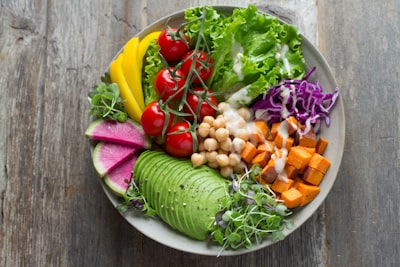
🦋 Recipes
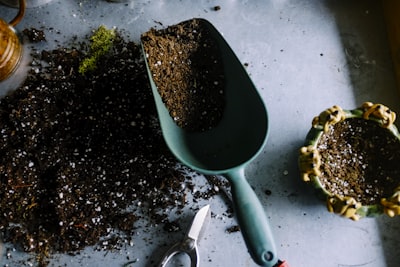
🦋 Home & Garden

🦋 Fashion & Style

🦋 Healthy Living
🦋
Stay Connected
Get the latest posts, recipes, travel tips and more delivered to your inbox!
Latest from the Blog
-
 accolade, adults, agenda, Amazon, America, American, appreciation, art, arts, autumn, back to school, beach, beautiful, bibliophile, blog, board game, books, brothers and sisters, characters, children, chinese, Collectables, community, computer geek, cookies, crafts, culture, Discovery, ebook, educate, electronics, empower, encourage, explore, exploring history, fall, family, freedom, friends, friendship, Geek, geography, german American, gifts, goals, Google, graduate, Greek, habits, Heroes, high school, Hispanic American, history, homework, independence, inspiration, inspire, instagram, irish, Italian-American, jamaican, Japanese, Jewish American, Kindergarten, Korean American, laugh, learn, library, lifestyle, Mail, memories, men, mother nature, native American, nurture, patriotic, Pintrest, pizza, plant trees, Polish American, population, Positivity, productivity, protect and serve, puzzle, read, relax, remember, school, Scottish-American, share, smile, social media, Spring, State Capital, States, States and Capitals, story, summer, teach, travel, Trivia, United States of America, vacation, website, winter, women
NATIONAL STATES AND CAPITALS DAY
September 22 focuses on raising awareness and sharing education about all 50 states and their capitals on National…
-

NATIONAL AMERICAN EAGLE DAY
Each year on June 20th, National American Eagle Day honors our national symbol, raising awareness for protecting the…
-
 accolade, Adopt, Amazon Prime, America, apple, appreciation, autumn, back to school, berry, blog, Celebration of Life, celebrity, chocolate, cold, Diets, Discovery, encourage, explore, exploring history, fall, friendship, fruit, hot, household, inspiration, lifestyle, March, memories, men, remember, restaurant, Retailers, self care, smile, spices, Spring, States, strawberry, United States of America, warm, winter
NATIONAL CEREAL DAY
March 7th urges us to get our bowl spoon ready for National Cereal Day each year! Since the…
-
 accolade, adults, agenda, Amazon, Amazon Prime, America, appreciation, blog, books, Brands, brothers and sisters, calander, Celebration of Life, celebrity, characters, children, Clean, Collectables, college, comfort, community, cool, coupon, discount, Discovery, empower, encourage, explore, exploring history, famous, February, freedom, goals, Google, gratitude, Heroes, history, Holiday, inspiration, inspire, instagram, internet, irish, Italian-American, jamaican, Japanese, jewelry, Jewish American, Korean American, learn, library, lifestyle, men, monthly observations, movies, Museum, native American, news, nurture, patriotic, peace of mind, Philippines, Pintrest, population, Positivity, radio, read, remember, reminders, Retailers, Road Trip, sale, sales, save money, savings, school, Scottish-American, shopping, social media, special pricing, Spring, States, story, summer, technology, Television, travel, Trivia, United States of America, Valor, winter, women
PRESIDENTS DAY
On the third Monday in February, the United States celebrates the federal holiday known as Presidents Day. The…
-
 Amazon Prime, America, appreciation, autumn, awareness, blog, books, Celebration of Life, celebrity, Discovery, encourage, explore, exploring history, fall, family traditions, February, friendship, heritage, Hispanic American, inspiration, Italian-American, lifestyle, literature, memories, men, native American Heritage, protect and serve, puzzle, remember, remembrance, safety, self care, serve, smile, songs, Spring, States, story, tribal nations, United Nations, United States of America, winter
NATIONAL BLACK HISTORY MONTH
National Black History Month, also known as National African American History Month, during February is a time for…