🦋 Welcome to Jen’s world
Small Moments…
Big Joys
Travel · Food · Home · Health · Heart
A lifestyle blog by a disabled woman with a unique perspective — finding beauty in lavender mornings, mountain views, butterflies, and the quiet joy of a warm mug by the window.
Explore by Theme

🦋 Travel
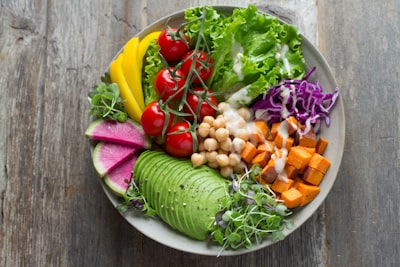
🦋 Recipes
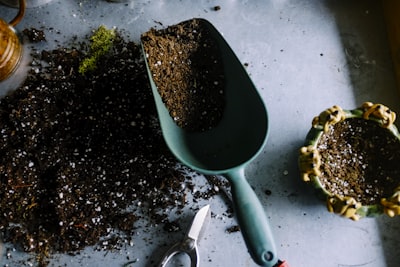
🦋 Home & Garden

🦋 Fashion & Style

🦋 Healthy Living
🦋
Stay Connected
Get the latest posts, recipes, travel tips and more delivered to your inbox!
Latest from the Blog
-
 accolade, Adopt, adults, agenda, Alexa, Amazon, Amazon Prime, America, American, amusement, appreciation, autumn, bee, blog, books, Brands, brothers and sisters, Celebration of Life, characters, children, chinese, cleaning, climate friendly, comfort, community, culture, Discovery, encourage, environment, exercise, explore, fall, family, flower, food, freedom, fresh flowers, friends, friendship, fruit, fun, garden, gardening, yard decor, exterior design, Geek, german American, goals, Google, gratitude, Greek, herbs and spices, Hispanic American, history, hobby, inspiration, inspire, irish, Italian-American, jamaican, Japanese, Jewish American, june, kitchen, Korean American, laugh, learn, leisure, lifestyle, memories, men, native American, nature, nurture, organization, outdoors, Philippines, Pintrest, Polish American, Pollinators, population, Positivity, productivity, Retailers, Scottish-American, season, small animals, smile, snack, social media, Spring, States, story, summer, sun protection, sustainable, teach, traditional, travel, Trivia, United States of America, Unplugging, vegetables, winter, women, Work Wear
NATIONAL WEED YOUR GARDEN DAY
National Weed Your Garden Day on June 13th each year serves as a reminder to all gardeners to take…
-
 Amazon Prime, America, appreciation, autumn, awareness, back yard, bee, blog, books, broccoli, butterflies, butterfly, Celebration of Life, classics, climate, Discovery, earth day, eco-friendly, encourage, environment, explore, exploring history, fall, friendship, garden, gardening, yard decor, exterior design, inspiration, learn, monthly observations, mother nature, nurture, pollen, pollution, population, Positivity, smile, Spring, United States of America, warm, water conservation, winter
NATIONAL POLLINATORS MONTH
National Pollinators Month in June encourages the planting of pollinator gardens of native, non-invasive pollen and nectar-producing plants.…
-
 accolade, Adopt, adults, Amazon, Amazon Prime, America, art, arts, Athletic, Audubon day, autumn, awareness, back to school, bakery, baking, ballroom dance, barbeques, baseball, basket ball, beach, bee, big game, biking, blog, books, breakfast, brothers and sisters, brunch, butterflies, butterfly, calander, casserole, cats, causes, Celebration of Life, celebrity, characters, charity, children, Christmas, Cinco de Mayo, classics, Clean, cleaning, closet, clothing, Collectables, college, comfort, community, companion, cookies, cooking, cool, cozy, crafts, cuddle, delivery, Diets, dinner, Discovery, dog, donations, earth day, Easter, educate, emergency preparedness, encourage, entertaining, environment, exercise, explore, exploring history, fall, family, festival of lights, fireworks, fish fry, flower, food, food drive, football, freedom, fresh flowers, friends, friendship, fun, games, garden, german American, girl scout, giving, goals, Google, graduate, gratitude, Greek, grocery shopping, health, heritage, Heroes, Hispanic American, history, Holiday, home, Homemade, Honor, hospital, hugs, inspiration, inspire, instagram, irish, Italian-American, jamaican, Japanese, Jewish American, Kindergarten, kitchen, knitting, Korean American, laugh, learn, library, lifestyle, manners, medical, memories, men, mental health, Military, mom, monthly observations, movies, Museum, music, native American, nature, nursing, nurture, organization, outdoors, painting, pantry, Peace, pets, Philippines, picnic, Pintrest, population, Positivity, read, relax, remember, reminders, Retailers, Road Trip, safety, save, save money, school, Scottish-American, screenwriters, search, season, security, seniors, serve, share, sing, smile, social media, soup, sports, Spring, States, strategy, summer, tablet, teach, teen, teenager, teens, travel, Trivia, United Kingdom, United States of America, Unplugging, volunteers, water conservation, wedding, winter, women, Work from home, write, young adults
NATIONAL VOLUNTEER MONTH
April recognizes all those who give there time and energy during National Volunteer Month. In the United States,…