
🦋 Welcome to Jen’s world
Small Moments…
Big Joys
Travel · Food · Home · Health · Heart
A lifestyle blog by a disabled woman with a unique perspective — finding beauty in lavender mornings, mountain views, butterflies, and the quiet joy of a warm mug by the window.
Explore by Theme
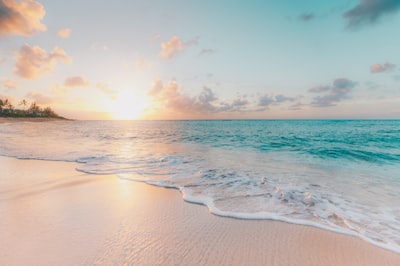
🦋 Travel
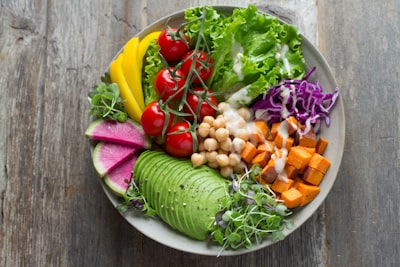
🦋 Recipes
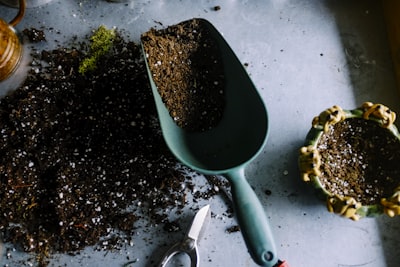
🦋 Home & Garden

🦋 Fashion & Style
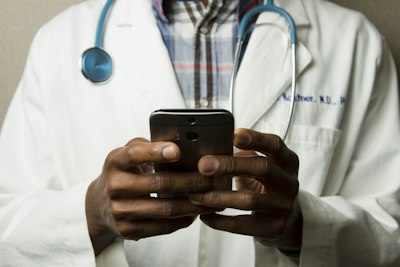
🦋 Healthy Living
🦋
Stay Connected
Get the latest posts, recipes, travel tips and more delivered to your inbox!
Latest from the Blog
-
 accolade, Adopt, adults, agenda, Alexa, Amazon, Amazon Prime, Amazon Prime Days, Amazon Prime Video, America, amusement, an app for that, android, Appliance, appreciation, Apps, art, arts, autumn, back to school, back yard, bakery, baking, banking, barbeques, baseball, basket ball, bath tub, battery, beauty, bibliophile, bicycle, blog, bluetooth, board game, books, brothers and sisters, calander, camera, carvana, casino, Celebration of Life, characters, charity, children, chinese, classics, cleaning, cleaning house, climate, closet, clothing, coastal, coffee, Collectables, college, college dorm, comfort, community, companion, competition, Computer, computer programming, computer programs, computers, cooking, cool, cozy, delivery, Diets, Discovery, earth day, ebook, ecards, eco-friendly, electronics, emergency preparedness, encourage, entertaining, environment, everyday, exercise, explore, exploring history, fall, family, family pet, family time, famous, fashion, flight, food, football, freebies, freedom, friends, friendship, games, garden, Geek, german American, gifts, giving, glasses, goals, golf, Google, graduate, gratitude, Greek, Green New Deal, grocery shopping, health, health and beauty, healthy, herbs and spices, high school, Hispanic American, history, hobby, home, home decor, Homemade, hospital, hotel, house work, household, independence, inspiration, inspire, instagram, international, internet, inventions, iPhone, ipod, irish, Italian-American, itunes, iwatch, Japanese, jewelry, Jewish American, kindle, kitchen, Korean American, laugh, learn, library, lifestyle, lunch, luxury, Mail, managing money, medical, medical records, memberships, memories, men, mental health, Military, moon, mother nature, movie industry, movies, music, National weather service, native American, near me, news, nurture, October, office, office software, organization, pay bills, peace of mind, pets, Philippines, phone a friend, photography, Pintrest, playlist, Playstore, pod cast, podcasts, population, Positivity, productivity, puzzle, radio, read, Recipes, recycle, refrigerator, relax, remember, remodel, restaurant, Retailers, Road Trip, Samsung, save money, school, scientist, Scottish-American, search, security, self care, seniors, serve, share, Shipt, shopping, skywarn, smart glasses, smart tv, smart watch, social media, songs, sports, Spring, star gazing, story, strategy, summer, sun protection, tablet, teach, technology, teen, teens, telescope, Television, travel, Trivia, United Kingdom, United States of America, vacation, Vintage, wear, website, wine, winter, women, work, Work from home, work outs, World, write, young adults
NATIONAL TECHIES DAY
National Techies Day on October 3rd encourages students to consider a career in technology. With so many opportunities…
-
 accolade, Adopt, Amazon Prime, America, autumn, awareness, Celebration of Life, college, Discovery, emergency preparedness, encourage, explore, fall, firefighter, friendship, Halloween, home, lifestyle, memories, men, monthly observations, October, safety, Spring, States, story, United States of America, Valor, warm, winter
NATIONAL CYBERSECURITY AWARENESS MONTH
National Cybersecurity Awareness Month in October is an excellent reminder to maintain and protect your hardware and software. …
-
 Adopt, Amazon Prime, America, appreciation, Apps, Army, awareness, back to school, blog, Brands, Celebration of Life, cell phone, classics, Collectables, college, companion, computer geek, computer programs, computers, Discovery, Ebay, ecards, electronics, emergency preparedness, encourage, explore, exploring history, fall, friendship, Geek, heritage, household, inspiration, International Women’s Day, internet, inventions, iPhone, ipod, kindle, lifestyle, mathematics, memories, men, Netflix, playlist, Playstore, pod cast, Positivity, puzzle, radio, restaurant, Retailers, Road Trip, safety, security, September, States, story, tablet, United Nations, United State Postal Servie, United States of America, winter, work, Work Wear
NATIONAL IT PROFESSIONALS DAY
Annually on the third Tuesday in September, National IT Professionals Day honors the venerable geeks of the world…
-
 Amazon Prime, America, appreciation, April, autumn, awareness, blog, books, cell phone, college, computers, Discovery, emergency preparedness, encourage, explore, exploring history, fall, family traditions, household, hurricane, lifestyle, memories, men, mother nature, remember, safety, security, Spring, United States of America, winter, work, write
NATIONAL FLASH DRIVE DAY
National Flash Drive Day on April 5 commemorates the date inventors filed their patent for the first USB…
