🦋 Welcome to Jen’s world
Small Moments…
Big Joys
Travel · Food · Home · Health · Heart
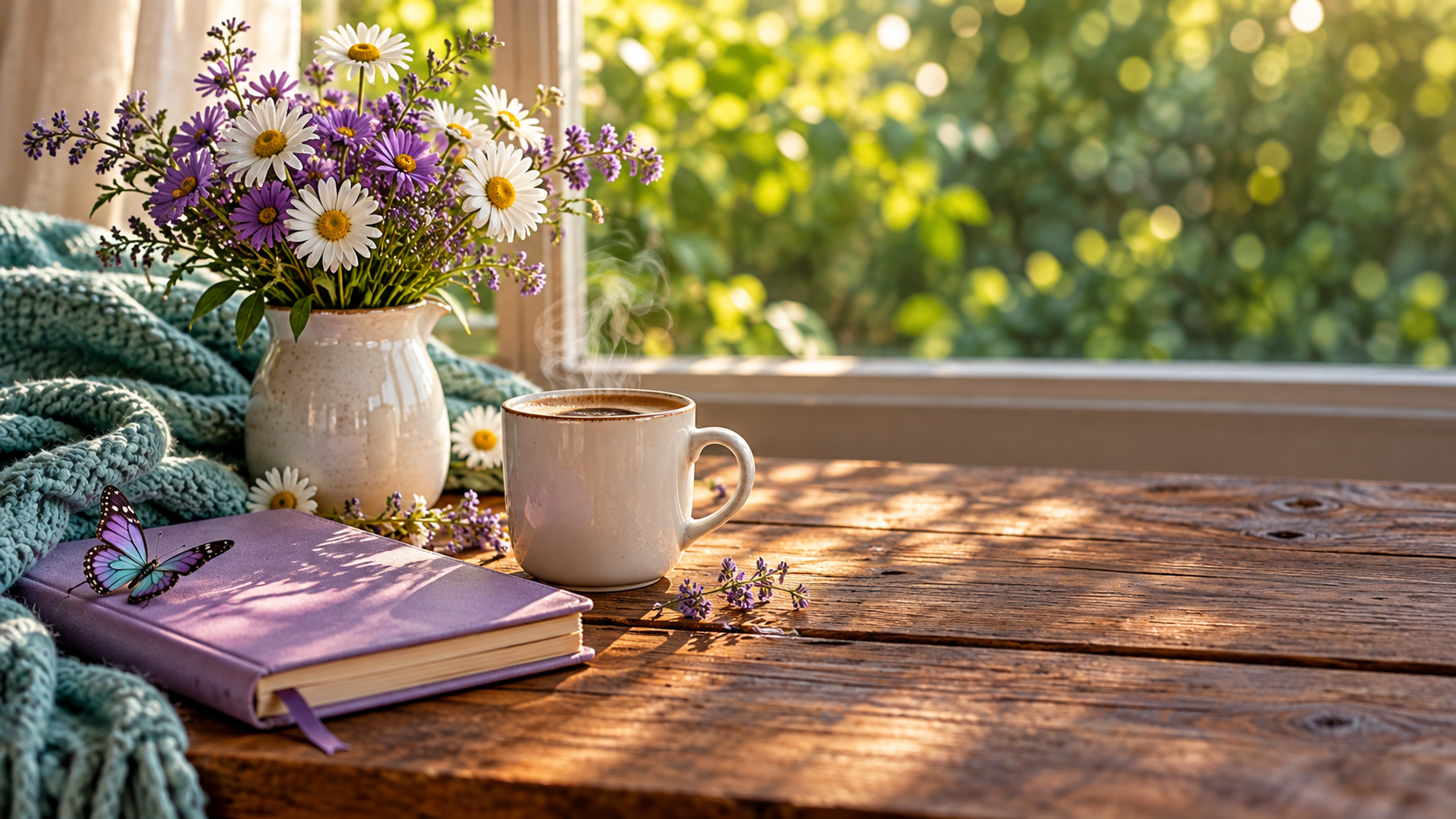
A lifestyle blog by a disabled woman with a unique perspective — finding beauty in lavender mornings, mountain views, butterflies, and the quiet joy of a warm mug by the window.
Explore by Theme

🦋 Travel
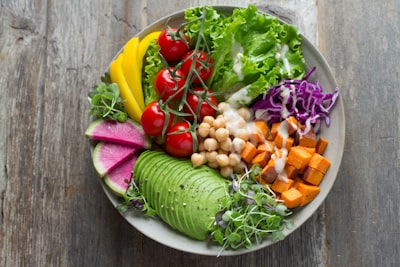
🦋 Recipes
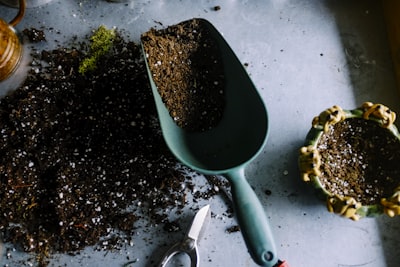
🦋 Home & Garden

🦋 Fashion & Style

🦋 Healthy Living
🦋
Stay Connected
Get the latest posts, recipes, travel tips and more delivered to your inbox!
Latest from the Blog
-
 accolade, adults, Amazon, Amazon Prime, America, appreciation, beauty, birthstone, books, brothers and sisters, calander, Celebration of Life, celebrity, characters, children, chinese, Christmas, classics, Collectables, comfort, Discovery, everyday, explore, exploring history, fall, family, famous, freedom, friends, friendship, Gala, gems, gemstone, german American, gifts, giving, goals, Google, Greek, Hispanic American, history, India, inspiration, inspire, instagram, Japanese, jewelry, Jewish American, Korean American, learn, lifestyle, luxury, memories, men, monthly observations, native American, near me, new year’s day, New Year’s Eve, party, Philippines, remember, reminders, Retailers, romance, Scottish-American, September, smile, social media, story, summer, travel, Trivia, United Kingdom, United States of America, Unplugging, Valentine’s day, Wardrobe, wedding, wine, winter, women
Sapphires in September
September’s birthstone, the sapphire, is a gemstone that has fascinated humanity for centuries with its stunning beauty and…
-
 accolade, Adopt, adoption, adults, Alexa, Amazon, Amazon Prime, America, American, amusement, appreciation, art, August, autumn, back to school, ballroom dance, beautiful, beauty, bibliophile, birthday, birthstone, blog, books, brothers and sisters, Celebration of Life, celebrity, characters, children, chinese, Collectables, college, community, culture, dance, Discovery, encourage, entertaining, everyday, explore, exploring history, fall, family, famous, fashion, formal, freedom, friends, friendship, gems, gemstone, german American, gifts, giving, Google, gratitude, Greek, Hispanic American, history, hosting, inspiration, inspire, instagram, international, internet, iPhone, ipod, irish, Italian, Italian-American, itunes, iwatch, Japanese, jewelry, Jewish American, Korean American, laugh, learn, lifestyle, luxury, memories, men, modern, monthly observations, mother nature, Museum, native American, nature, outdoors, party, Philippines, photography, Pintrest, Polish American, relax, remember, Retailers, romance, Scottish-American, search, season, seniors, share, shopping, sisters, smart glasses, smart watch, smile, social media, teach, teen, teenager, teens, traditional, travel, Trivia, United States of America, wedding, winter, women, Work Wear, World, young adults
The Allure of August’s Birthstone: Peridot
August’s birthstone, peridot, captivates with its vibrant green hues and rich history, embodying a romanticism that resonates through…
-
 accolade, Adopt, adults, Amazon, Amazon Prime, America, appreciation, Apps, art, autumn, awareness, bakery, baking, ballroom dance, barbecue, baseball, basket ball, beach, bicycle, big game, Bingable, bird watching, birthday, birthstone, blog, books, brothers and sisters, brunch, butterflies, butterfly, calander, candle, causes, Celebration of Life, cell phone, characters, children, chinese, classics, Clean, climate, college, color, comfort, community, companion, Computer, cooking, cozy, Diets, dinner, Discovery, Diwali, earth day, Easter, ebook, eco-friendly, electronics, emergency preparedness, empower, encourage, entertaining, environment, Europe, explore, fall, family, festival of lights, fireworks, freedom, fresh flowers, friends, friendship, fun, games, garden, Geek, gemstone, german American, gifts, giving, goals, Google, gratitude, Greek, Hispanic American, history, Holiday, hosting, household, hurricane, India, inspiration, inspire, instagram, international, internet, inventions, iPhone, ipod, irish, Italian-American, itunes, iwatch, jamaican, jewelry, Jewish American, kitchen, Korean American, laugh, lifestyle, luxury, May, memories, men, mental health, Military, mom, monthly observations, moon, mother nature, movies, Museum, native American, natural disaster, nature, nurture, outdoors, painting, party, patriotic, peace of mind, pets, Philippines, picnic, Pintrest, plant trees, Pollinators, Positivity, read, relax, remember, restaurant, romance, safety, save money, Scottish-American, screen time, search, security, seniors, share, smile, snack, social media, soft, Spring, star gazing, summer, sun, technology, Television, travel, Trivia, United Kingdom, United Nations, United States of America, vacation, Vintage, winter, women
INTERNATIONAL DAY OF LIGHT
Every year on May 16th, the International Day of Light promotes awareness for the appreciation of light and…
-
 accolade, Adopt, adults, Amazon, Amazon Prime, America, anniversary, appreciation, ballroom, beach, birthday, birthstone, blog, books, Brands, brothers and sisters, brunch, cats, Celebration of Life, celebrity, characters, children, chinese, Christmas, classics, Collectables, color, comfort, community, companion, convention, cozy, Discovery, Easter, empower, encourage, explore, exploring history, fall, family, fashion, fathers day, freedom, friends, friendship, fun, gems, gemstone, german American, gifts, giving, goals, Google, gratitude, Greek, heritage, Hispanic American, history, Holiday, inspiration, inspire, instagram, internet, irish, Italian-American, jamaican, Japanese, jewelry, Jewish American, Korean American, laugh, lifestyle, luxury, March, memories, men, mom, mothers day, Museum, native American, party, Philippines, Pintrest, remember, reminders, Retailers, romance, sales, Scottish-American, seniors, share, sisters, smile, social media, Spring, St Patrick’s Day, story, summer, teenager, teens, Television, travel, Trivia, United States of America, Vintage, wedding, winter, women
NATIONAL JEWEL DAY
National Jewel Day is observed March 13th of every year. While this day may be a day to give…
-

Celebrating January Birthdays: The Timeless Allure of Garnet
January babies, you enter the world under a quiet, frosty sky just as the new year begins—a perfect…