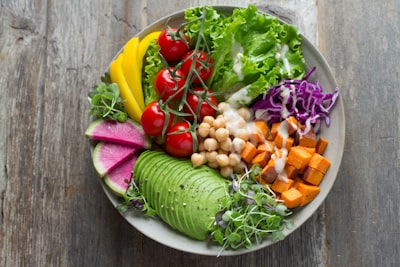
National Guacamole Day on September 16 brings fresh flavors together for the perfect celebration. What a great way to kick off Hispanic Heritage Month!
Avocados shine as the star of this dip! Lime juice, tomatoes, onion, and seasonings make guacamole a guilt-free addition to any snack or meal.
Since avocados fall under the superfood category, feel free to indulge. Packed full of good fats and nutrients, along with the fresh taste of lime and hint of spice, the dip is flavorful. It’s easy to make, too. Take it to work or use it for a party dish.
Guacamole is versatile, too. For example, add it as a topping on a quesadilla or even add it to a salad. Of course, the simplest way to enjoy is by dipping your favorite tortilla chip.
Originating with the Aztecs in Mexico, guacamole is an avocado-based sauce that has become popular in American cuisine as a dip, condiment, and salad ingredient.
Using a mortar and pestle, mash ripe avocados and then mixing in sea salt. Beyond the tomatoes, onion, garlic, and lemon juice, hot sauce, yogurt or other seasonings can be added. If a celebration calls for spicier guacamole, add jalapenos, chilis, cumin, or red pepper.
Mix up your favorite recipe for guacamole. Go to your favorite restaurant and order some fresh guacamole. While there, give a shout out to the restaurants with the best guacamole around. Be sure to invite friends. As we say around here, why #CelebrateEveryDay if you don’t do it with friends? Share your recipes and find the best combination. Use #NationalGuacamoleDay to share on social media.
August 27 is National Peach Day, celebrate one of summertime’s most scrumptious fruits known as the peach! August is prime peach season in the U.S. and we want everyone to enjoy a few peaches, plus remember the hardworking peach growers who provide us with this delicious fruit.
Summertime brings plenty of opportunity to enjoy fresh fruits, especially a flavorful, juicy peach. Local farmers’ markets and orchids are busy picking peaches to deliver to anxious peach lovers. Whether you enjoy a peach by itself or use your peaches for canning and baking, National Peach Day is here to encourage you to celebrate this wonderful food holiday.
Brief History of Peaches in the U.S.
The history of the peach begins in China and Central Asia dating back 4,000 years. However, peaches were not just a delicious food, they were also an expensive and highly traded commodity along the ancient Silk Road in Asia. The Silk Road is one of the most important trade routes in history that allowed for goods to be transported between East and West Asia. Transporting peaches on the Silk Road led to introducing the fruit to other parts of the country, and eventually the world.
Peaches made their way to the U.S. some time during the 17th century. Settlers from Europe and Spain began cultivating peaches upon arrival. However, it’s uncertain who receives credit for introducing them first. Spanish explorers and missionaries were known to bring peach pits to Florida and Southwest and planting them. English settlers began cultivating peaches in Virginia around the same time. It’s possible both Spanish and English settlers receive equal credit because of the location they landed and began growing peaches.
Production of peaches happens along the south eastern and southern parts of the country. Peach farmers work to provide peach varieties that grow well in different parts of the U.S. Peach farming requires dedication, knowledge, and in-depth management to maintain healthy peach orchids. However, peach farmers are passionate about their work to provide delicious peaches to consumers. They work endless hours growing, managing, and harvesting peaches to transport to markets, grocery stores, and other destinations. Thanks to these hardworking people, we are able to use peaches in dishes, desserts, sauces, and preservatives daily.
Did you know?
In Chinese culture, peaches are a symbol of immortality and longevity.
6 FAVORITE PEACH VARIETIES
Elberta peaches are one of the most popular peaches available. They are juicy and have a sweet, yet tart flavor. Some people say Elberta peaches are the best peaches for canning.
White peaches are pale with creamy skin sweet flesh. They have a strong floral aroma and are often enjoyed in desserts and salads.
Yellow peaches come in shades of orange and yellow and have a classic peach flavor. You can frequently find these peaches grocery stores.
Clingstone peaches come in different sizes and colors. These peaches are a more common peach for making preservatives.
Freestone peaches a popular peach for fresh eating because of their juicy flavor.
Georgia Belle peaches are an early-season peach with a yellowish-red skin and sweet flavor. This peach is normally the first summer peach.
Peaches offer several health benefits. They are low in calories and are a good source of vitamins, including vitamins A and C. They contain beta-carotene and flavonoids, which are beneficial for fighting heart disease and anti-inflammatory disease. Peaches also promote healthy skin and boost the immune system, too. In fact, peaches contain high amounts of antioxidants to help protect cells from damage caused by free radicals. Best of all, eating peaches is twice as good knowing you are promoting good overall health every time you take a bite!
On August 23rd, enjoy National Sponge Cake Day with the quintessential classic of the cake world. This airy queen of teas is the guest of honor, but we get the pleasure of tasting!
One of the trickiest cakes for bakers to master, a perfect sponge stands tall. Another balancing trick for bakers includes maintaining a fine crumb while keeping the cake moist. If you enjoy layering berries and whipped cream, the sponge handles this task beautifully.
The sponge cake is believed to be one of the first non-yeasted cakes.
The sponge cake is thought to have originated in the Caribbean. However, the earliest English printed recipe for sponge cake comes from an English poet and author, Gervase Markham. In 1615 he published a sponge cake recipe in the book The English Huswife, Containing the Inward and Outward Virtues Which Ought to Be in a Complete Woman.
I can’t knit or make plum jam, but I can bake a bloody Victoria sponge. ~ Helen Mirren as Chris in Calendar Girls (2003)
In 2003, the sponge cake played a tiny role in the movie Calendar Girls starring Helen Mirren. In the scene, Mirren’s character, Chris, enters a baking competition. However, she forgets she entered, and instead of entering a sponge cake of her own making, she submits a store-bought Victoria sponge cake.
Get some sponge cake and enjoy it. Or, if you are up to the challenge, try this Glorious Sponge Cake recipe. Serve it with berries or a preserve. Use #SpongeCakeDay to post on social media.
August 17 is National Pineapple Juice Day and an exciting time to celebrate the natural citrusy sweet taste of pineapple juice! Join us as we raise our glass to this tropical juice full of flavorful facts deserving of a celebration.
Pineapple juice is a tropical drink that delivers a refreshing boost of hydration and Vitamin C. With its beautiful bright flavors, one sip of pineapple juice instantly transports your taste buds to the tropics. Today, we join millions of people across the globe to hold a celebration and start their day differently on National Pineapple Juice Day.
Native to South America, pineapple arrived in Hawaii courtesy of the Spanish sometime in the 18th century. However, the truly juicy story of pineapple juice unfolds there with a man named James Dole playing a pivotal role.
In 1899, James Dole moved to Hawaii with $1,000, a Harvard degree in business and horticulture, and a love of farming. Dole began growing pineapples on his newly purchased 60-acre pineapple plantation and quickly realized he had a sweet opportunity to provide the juiciest pineapples to the world.
After his first harvest, Dole started shipping pineapples to people on the mainland in the United States. However, there seemed to be an issue of keeping the freshness of the pineapples. Dole wanted to make the sunshine and taste of Hawaiian pineapples available for everyone. As a result he developed a canning technique to preserve the delicious taste of the pineapple fruit and juice.
“On this National Pineapple Juice Day, we are thrilled to celebrate the unique and tantalizing pineapple juice that consumers have been loving for many years. Serving a revitalizing change of pace for consumers, Dole® 100% Pineapple Juice is a naturally sweet, refreshing choice for juice drinkers without needing added sugar. Plus, it’s packed with Vitamin C and other essential vitamins and minerals. So, over 90 years since Dole first put pineapple juice in cans, raise a glass of sunshine and cheers to the naturally delicious taste of pineapple juice!”
In 2023, Dole Packaged Foods, LLC and National Day Calendar began a collaboration to create National Pineapple Juice Day. During the entire month of May, Dole called for all pineapple juice lovers to sign a petition and take the charge to make National Pineapple Juice Day official. To sweeten the deal, Dole made a donation for each signature to Feeding America® (up to $5,000) to support programs to end hunger as part of the Dole Promise. National Calendar Day unanimously approved Dole Packaged Foods, LLC’s request to establish National Pineapple Juice Day to be celebrated annually on August 17.
About the Founder
Dole Packaged Foods, LLC, is a world leader in distributing, growing, marketing fruit and healthy snacks and sourcing in four core categories:
Beverage
Snacks
Frozen
Pantry
Dole Packaged Foods, LLC also sells a full line of packaged shelf stable fruit, frozen fruit, dried fruit and juices focusing on supporting four pillars of sustainability:
Water management
Carbon footprint
Soil conservation
Waste reduction
Visit dolesunshine.com to learn more information about Dole and their products.
Perfectly Pineapple
Pineapple juice is a versatile ingredient in the culinary world. With plenty of ways to use it, pineapple juice adds sweetness, slight acidity and a savory balance to any recipe.
Sipped Solo – As an excellent source of Vitamin C, pineapple juice is a great choice for a morning beverage.
Marinade – Pineapple juice is great for tenderizing poultry, especially on chicken and pork. In fact, it also creates a delicious glaze for grilled food, too.
Vinaigrette – Pineapple juice mixed with honey, olive oil, and lime or lemon juice adds delicious elements to any vinaigrette salad dressing.
Baking – Substituting pineapple juice for water adds moisture and an additional touch of sweetness to cake and quick breads. You can also use pineapple juice to add a touch of the tropics to frostings.
Cocktails – Pineapple juice also adds a fresh, citrus, and sweet flavor to several tropical-flavored cocktails, including Piña Coladas and blended pineapple margaritas.
National Pineapple Juice Day brings about many ways to celebrate. From learning about the history to savor the early beginnings to implementing it into your daily diet, pineapple juice deserves a time to shine. Show us how you celebrate National Pineapple Juice Day by sharing your photos or pineapple juice recipes on social media using #NationalPineappleJuiceDay and #NationalPJDay.
Strawberry Rhubarb Wine Day on the third Saturday in July celebrates the strawberry sweetness of summer with a relaxing sip of wine. The day offers an excellent opportunity for a wine tasting featuring a strawberry rhubarb wine, too.
In July of 2010, Maple River Winery in historic downtown Casselton, North Dakota, proudly accepted the Double Gold Award at the Indy International Wine Competition for its Strawberry Rhubarb Wine. What a delicious way to celebrate! But what is rhubarb?
It may be difficult for the common person to classify rhubarb. Is it a fruit? Is it a vegetable? While technically rhubarb may be known as a tart perennial vegetable, combining it with strawberries creates a unique flavor. Some even consider it the perfect balance of tart and sweet. Rhubarb even went to court over the matter. In 1947 in a customs court in Buffalo, New York, the court ruled that since rhubarb is used as a fruit in the United States, for the purposes of regulations and duties, it was to be counted as a fruit.
And from the wine perspective, that’s a good thing. Fruit wines sound so much better than vegetable wine. Of course, strawberry rhubarb wine celebrates the day with a flavor that tastes like summer.
While enjoying the summer day, savor some chilled strawberry rhubarb wine. Uncork a bottle and pour a glass. Actually, pour a few glasses and share it with a friend or two. Strawberry rhubarb wine goes well with a picnic, so take a bottle or two! A bottle makes a great gift, too. Strawberry rhubarb wine also complements many dishes and you just can’t go wrong! Share your celebration by posting on social media using #StrawberryRhubarbWineDay.