
🦋 Welcome to Jen’s world
Small Moments…
Big Joys
Travel · Food · Home · Health · Heart
A lifestyle blog by a disabled woman with a unique perspective — finding beauty in lavender mornings, mountain views, butterflies, and the quiet joy of a warm mug by the window.
Explore by Theme

🦋 Travel
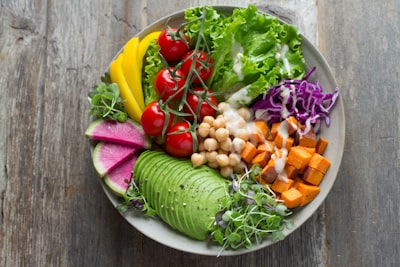
🦋 Recipes
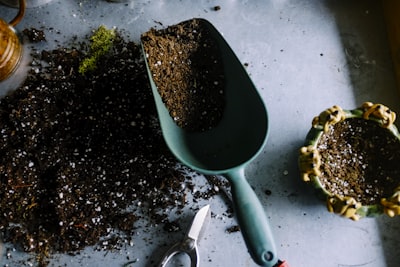
🦋 Home & Garden

🦋 Fashion & Style

🦋 Healthy Living
🦋
Stay Connected
Get the latest posts, recipes, travel tips and more delivered to your inbox!
Latest from the Blog
-
 accolade, America, appreciation, autumn, Celebration of Life, cold, college, desserts, Diets, Discovery, encourage, explore, fall, friendship, fruit, inspiration, men, Road Trip, serve, smile, Spring, strawberry, winter
NATIONAL BANANA SPLIT DAY
National Banana Split Day recognizes the sweet ice cream treat served with a banana, whipped cream, and various…
-
 accolade, Adopt, Amazon Prime, America, appreciation, autumn, back yard, backyard barbecue, baseball, big game, biking, blog, Brands, brothers and sisters, brownie, Celebration of Life, chocolate, desserts, Discovery, encourage, explore, fall, friendship, grocery shopping, inspiration, lifestyle, memories, men, mom, monthly observations, Retailers, serve, Shipt, sisters, smile, snack, Spring, sweet, United States of America, Vintage, winter
National Ice Cream Sandwhich Day
On August 2nd, National Ice Cream Sandwich Day encourages us to cool off with one of our favorite…
-
 accolade, America, appreciation, autumn, back to school, backyard barbecue, baking, barbecue, berries, berry, Celebration of Life, cherry, cooking, desserts, Diets, Discovery, encourage, explore, fall, friendship, fruit, inspiration, men, mothers day, romance, smile, Spring, States, strawberry, United States of America, winter
NATIONAL HOT FUDGE SUNDAE DAY
On July 25th, National Hot Fudge Sundae Day takes a turn representing National Ice Cream Month in delicious…
-
 accolade, Adopt, almonds, Amazon, Amazon Fresh, Amazon Prime, America, appreciation, apricot, autumn, backyard barbecue, banana, barbeques, beach, berries, berry, Bingable, birthday, blog, blueberry, Brands, breakfast, brothers and sisters, brownie, brunch, cake, candy, Celebration of Life, characters, charity, cheer, cheesecake, cherries, cherry, chinese, chocolate, Cinco de Mayo, citrus, classics, cocktail, coconut, coffee, cold, college, comfort, contest, cookies, cooking, cool, date night, desserts, Diets, Discovery, encourage, entertaining, explore, exploring history, fall, family, flavor, freedom, friends, friendship, fruit, fudge, german American, Google, granola, grape, gratitude, Greek, grocery shopping, Hispanic American, history, Holiday, Homemade, hosting, ice cream, inspiration, inspire, inst a cart, instagram, inventions, irish, Italian-American, jamaican, Japanese, Jewish American, July, keto, kitchen, Korean American, late night snack, learn, lifestyle, lunch, mango, marshmallow, memories, men, near me, nurture, nuts, nuts and seeds, orange, party, peach, peaches, peanut butter, peanuts, Philippines, Pintrest, pool, population, raspberry, Recipes, relax, remember, reminders, restaurant, Retailers, Road Trip, romance, Scottish-American, season, seniors, serve, share, smile, smoothie, snack, social media, Spring, Starbucks, States, strawberry, summer, sweet, travel, Trivia, United States of America, vacation, Valentine’s day, Whole foods, winter, women
NATIONAL ICE CREAM DAY
Dish or cone? That’s all we need to know. National Ice Cream Day on the 3rd Sunday in…
-
 accolade, Adopt, agenda, Amazon Prime, America, appreciation, backyard barbecue, banana, barbeques, baseball, berries, berry, beverage, blog, blueberry, books, Brands, brothers and sisters, brownie, brunch, butterscotch, Celebration of Life, celebrity, cherry, chocolate, classics, cocktail, cold, cooking, desserts, Discovery, encourage, exploring history, friendship, fruit, grocery shopping, inspiration, keto, lifestyle, luxury, mango, memories, men, mom, monthly observations, nuts, patriotic, peaches, peanuts, pineapple, popsicle, remember, restaurant, Retailers, sauces, serve, Shipt, smile, smoothie, snack, Spring, strawberry, sweet, United States of America, winter
NATIONAL ICE CREAM MONTH
What makes I scream, and you scream! We all scream for ice cream of course! July is national…