
🦋 Welcome to Jen’s world
Small Moments…
Big Joys
Travel · Food · Home · Health · Heart
A lifestyle blog by a disabled woman with a unique perspective — finding beauty in lavender mornings, mountain views, butterflies, and the quiet joy of a warm mug by the window.
Explore by Theme

🦋 Travel
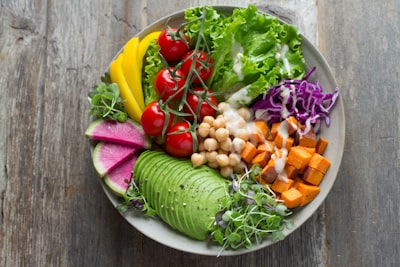
🦋 Recipes
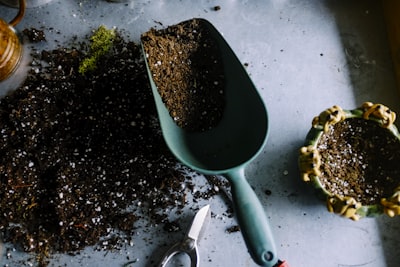
🦋 Home & Garden

🦋 Fashion & Style

🦋 Healthy Living
🦋
Stay Connected
Get the latest posts, recipes, travel tips and more delivered to your inbox!
Latest from the Blog
-
 accolade, adults, books, Celebration of Life, children, Christmas, Cinco de Mayo, desserts, Diets, dinner, Discovery, Easter, family, friends, friendship, history, Holiday, lunch, party, Recipes, States, summer, Thanksgiving, travel, Trivia, Valentine’s day, wine, women
NATIONAL MOLDY CHEESE DAY
National Moldy Cheese Day is a unique holiday that is observed each year on October 9. A cheesemonger is…
-
 accolade, Adopt, adults, Amazon, Amazon Prime, America, appreciation, autumn, Bacon, bakery, baking, beer, beverage, big game, Brands, breakfast, brothers and sisters, brownie, casserole, Celebration of Life, characters, cheese, chicken, children, classics, cold, college, community, cooking, delivery, desserts, Diets, dinner, Discovery, drink, encourage, explore, exploring history, fall, family traditions, food, freedom, friends, fun, gulf coast, herbs and spices, heritage, history, Homemade, household, inspiration, Italian-American, keto, lifestyle, lunch, memories, men, mom, monthly observations, movies, October, party, Pintrest, pizza, Pork, Positivity, Recipes, remember, restaurant, Retailers, Road Trip, sauces, seafood, season, serve, share, smile, snack, spices, Spring, star gazing, States, story, summer, travel, Trivia, United States of America, vacation, warm, wine, winter, women, work, Work from home
NATIONAL PIZZA MONTH
National Pizza Month in October gives us 31 days to explore the world of pizza and all the…
-
 accolade, America, appreciation, baking, berries, berry, blueberry, brunch, Celebration of Life, cherry, cooking, Diets, Discovery, encourage, explore, fall, fathers day, friendship, fruit, inspiration, men, mothers day, September, serve, smile, Spring, strawberry, United States of America, warm, winter
NATIONAL PANCAKE DAY
National Pancake Day on September 26th sets up a tall stack of syrupy goodness to celebrate! Set the…
-
 beer, blog, Celebration of Life, cooking, Diets, Discovery, encourage, explore, fall, fish, friendship, inspiration, men, restaurant, Road Trip, seafood, September, smile, Spring, States, winter
NATIONAL LOBSTER DAY
National Lobster Day on September 25th takes a taste of a seafood favorite. The simplest way to enjoy…
-
 accolade, Adopt, adults, agenda, Amazon, Amazon Fresh, Amazon Prime, America, appreciation, autumn, back to school, backyard barbecue, beef, beer, big game, blog, Brands, bread, brothers and sisters, casserole, Celebration of Life, celebrity, characters, cheese, children, chinese, classics, cold, college, comfort, community, cooking, deli, delivery, dinner, Discovery, drive through, encourage, entertaining, everyday, explore, exploring history, fall, family, farmers market, flavor, food, food orders, football, freedom, friends, friendship, german American, goals, Google, Greek, grocery shopping, habits, herbs and spices, Hispanic American, Homemade, hosting, hot, inspiration, inspire, inst a cart, instagram, irish, Italian-American, Japanese, Jewish American, keto, kitchen, Korean American, late night snack, learn, lifestyle, lunch, memories, men, mom, native American, party, pasta, Philippines, picnic, Pintrest, pizza, population, read, Recipes, refrigerator, remember, restaurant, Retailers, Road Trip, sandwich, savory, Scottish-American, seniors, September, serve, Shipt, shopping, smile, snack, social media, Spring, States, summer, travel, Trivia, Turkey, United States of America, Unplugging, vacation, wine, winter, women
NATIONAL SALAMI DAY
National Salami Dayu on September 7th recognizes a cured meat many people enjoy every day. Salami are cured, fermented,…