🦋 Welcome to Jen’s world
Small Moments…
Big Joys
Travel · Food · Home · Health · Heart
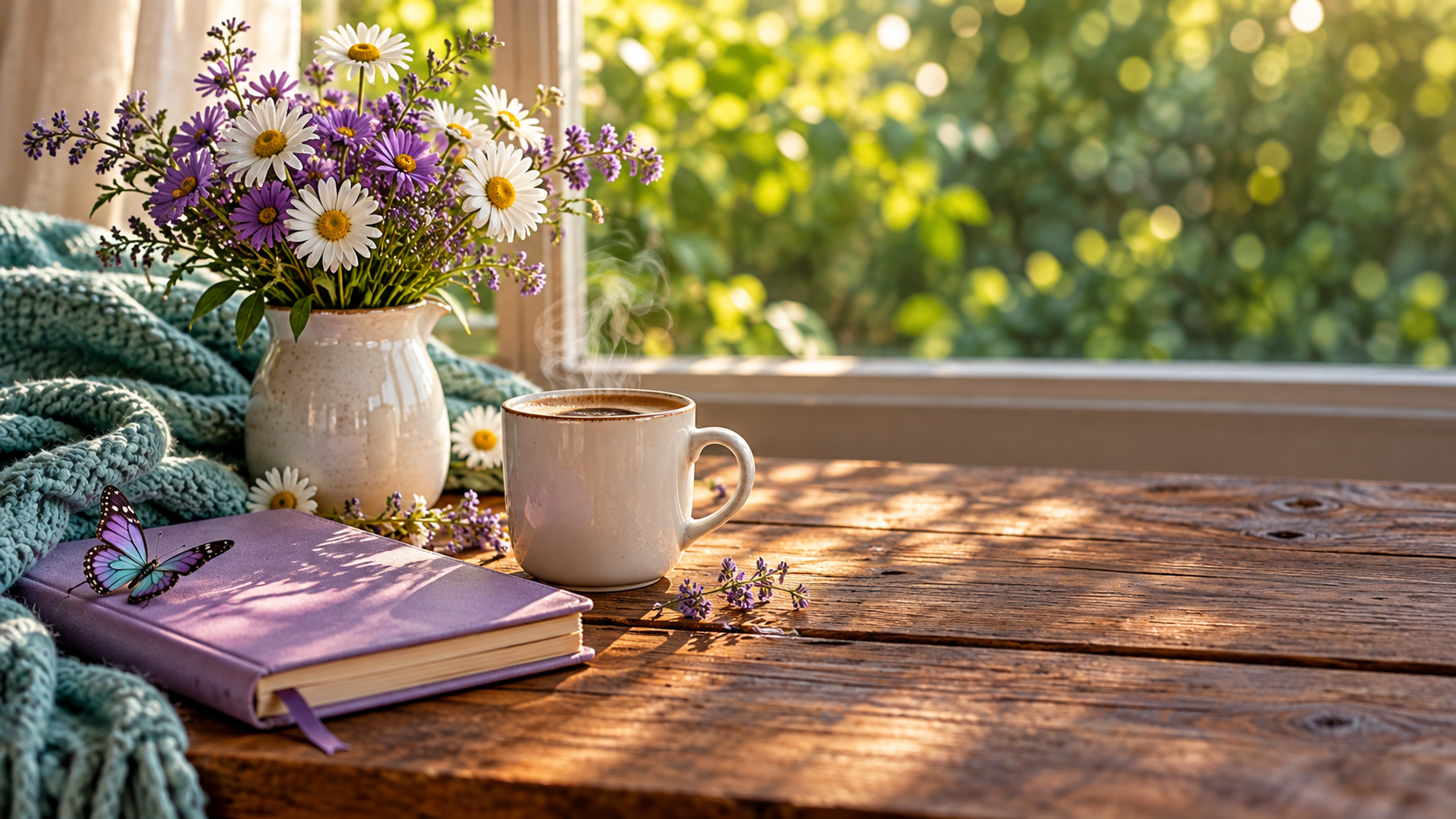
A lifestyle blog by a disabled woman with a unique perspective — finding beauty in lavender mornings, mountain views, butterflies, and the quiet joy of a warm mug by the window.
Explore by Theme

🦋 Travel
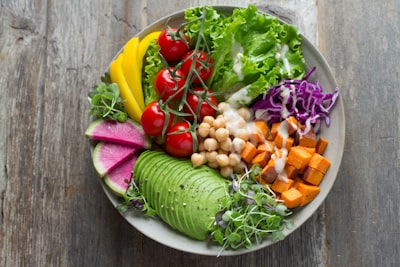
🦋 Recipes
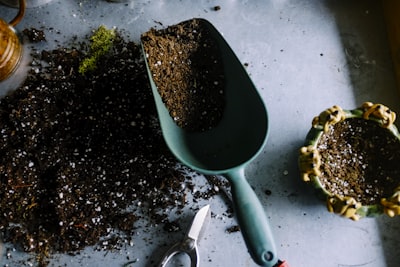
🦋 Home & Garden

🦋 Fashion & Style

🦋 Healthy Living
🦋
Stay Connected
Get the latest posts, recipes, travel tips and more delivered to your inbox!
Latest from the Blog
-

World Sea Turtle Day
Every year on June 16th, World Sea Turtle Day highlights the importance of sea turtles. The day also…
-
 accolade, Adopt, adults, Amazon, Amazon Prime, America, appreciation, Apps, art, autumn, awareness, bakery, baking, ballroom dance, barbecue, baseball, basket ball, beach, bicycle, big game, Bingable, bird watching, birthday, birthstone, blog, books, brothers and sisters, brunch, butterflies, butterfly, calander, candle, causes, Celebration of Life, cell phone, characters, children, chinese, classics, Clean, climate, college, color, comfort, community, companion, Computer, cooking, cozy, Diets, dinner, Discovery, Diwali, earth day, Easter, ebook, eco-friendly, electronics, emergency preparedness, empower, encourage, entertaining, environment, Europe, explore, fall, family, festival of lights, fireworks, freedom, fresh flowers, friends, friendship, fun, games, garden, Geek, gemstone, german American, gifts, giving, goals, Google, gratitude, Greek, Hispanic American, history, Holiday, hosting, household, hurricane, India, inspiration, inspire, instagram, international, internet, inventions, iPhone, ipod, irish, Italian-American, itunes, iwatch, jamaican, jewelry, Jewish American, kitchen, Korean American, laugh, lifestyle, luxury, May, memories, men, mental health, Military, mom, monthly observations, moon, mother nature, movies, Museum, native American, natural disaster, nature, nurture, outdoors, painting, party, patriotic, peace of mind, pets, Philippines, picnic, Pintrest, plant trees, Pollinators, Positivity, read, relax, remember, restaurant, romance, safety, save money, Scottish-American, screen time, search, security, seniors, share, smile, snack, social media, soft, Spring, star gazing, summer, sun, technology, Television, travel, Trivia, United Kingdom, United Nations, United States of America, vacation, Vintage, winter, women
INTERNATIONAL DAY OF LIGHT
Every year on May 16th, the International Day of Light promotes awareness for the appreciation of light and…
-
 accolade, Adopt, adults, Amazon, Amazon Prime, America, appreciation, April, art, bakery, baking, balloon, barbeques, beach, beverage, blog, books, Brands, brothers and sisters, cake, candle, candy, Celebration of Life, characters, children, chinese, Christmas, Cinco de Mayo, Clean, cocktail, Collectables, college, color, comfort, community, cookies, cooking, dance, desserts, Diets, Discovery, disney, donut, Easter, Easter eggs, encourage, entertaining, explore, fall, family, fashion, flavor, flower, food, freedom, fresh flowers, friends, friendship, fruit, garden, german American, gifts, giving, goals, Google, Greek, Hispanic American, history, Holiday, home, hot air balloon, ice cream, inspiration, inspire, instagram, irish, Italian-American, Japanese, Jewish American, kitchen, knitting, Korean American, learn, library, lifestyle, luxury, nurture, outdoors, party, Philippines, picnic, Pintrest, population, relax, remember, reminders, Retailers, school, Scottish-American, serve, share, smoothie, snack, social media, Spring, summer, travel, Trivia, United States of America, vacation, winter, women
NATIONAL FIND A RAINBOW DAY
Each year on April 3rd, National Find A Rainbow Day challenges us to look to the sky and…