🦋 Welcome to Jen’s world
Small Moments…
Big Joys
Travel · Food · Home · Health · Heart
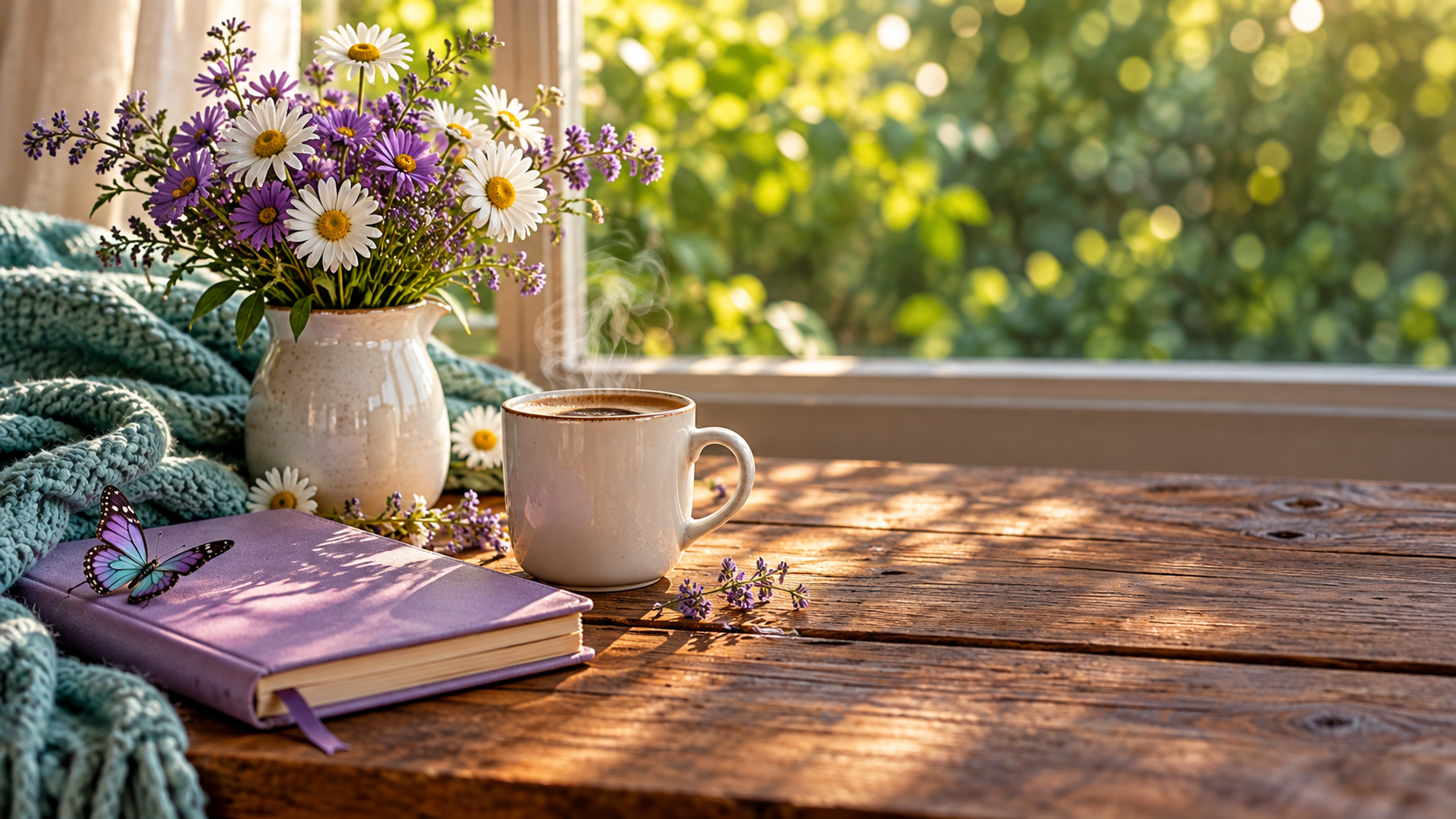
A lifestyle blog by a disabled woman with a unique perspective — finding beauty in lavender mornings, mountain views, butterflies, and the quiet joy of a warm mug by the window.
Explore by Theme
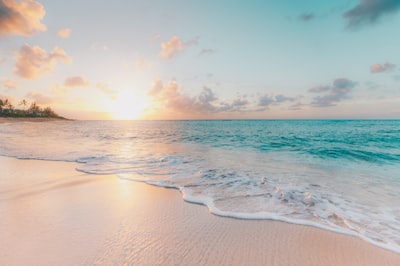
🦋 Travel
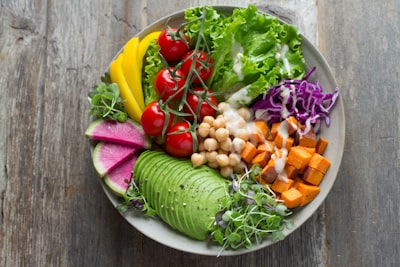
🦋 Recipes
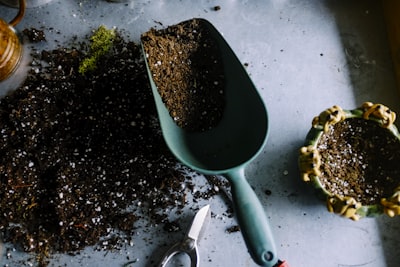
🦋 Home & Garden

🦋 Fashion & Style

🦋 Healthy Living
🦋
Stay Connected
Get the latest posts, recipes, travel tips and more delivered to your inbox!
Latest from the Blog
-
 adults, Amazon, Amazon Prime, Amazon Prime Video, America, amusement, an app for that, anniversary, appreciation, Apps, art, authors, autumn, beverage, Bingable, blog, books, Brands, brothers and sisters, Celebration of Life, celebrity, characters, chinese, classics, Collectables, community, culture, Discovery, electronics, encourage, entertaining, explore, exploring history, fall, family, family traditions, fiction, friends, friendship, german American, gifts, goals, Google, Greek, Hispanic American, inspiration, inspire, instagram, internet, inventions, irish, Italian-American, jamaican, Japanese, Jewish American, Korean American, late night snack, laugh, learn, leisure, lifestyle, memories, men, mystery, native American, party, Philippines, Polish American, relax, remember, reminders, Scottish-American, screen time, screenwriters, script, season, share, smart tv, smile, snack, social media, Spring, stars, States, story, summer, tablet, teach, technology, Television, Trivia, tv, Uncategorized, United States of America, Vintage, winter, women, young adults
NATIONAL TWILIGHT ZONE DAY
Always observed on May 11th, National Twilight Zone Day features mysterious twists and turns highlighted with eerie background…
-
 accolade, Adopt, adults, Amazon, Amazon Prime, America, appreciation, April, art, bakery, baking, balloon, barbeques, beach, beverage, blog, books, Brands, brothers and sisters, cake, candle, candy, Celebration of Life, characters, children, chinese, Christmas, Cinco de Mayo, Clean, cocktail, Collectables, college, color, comfort, community, cookies, cooking, dance, desserts, Diets, Discovery, disney, donut, Easter, Easter eggs, encourage, entertaining, explore, fall, family, fashion, flavor, flower, food, freedom, fresh flowers, friends, friendship, fruit, garden, german American, gifts, giving, goals, Google, Greek, Hispanic American, history, Holiday, home, hot air balloon, ice cream, inspiration, inspire, instagram, irish, Italian-American, Japanese, Jewish American, kitchen, knitting, Korean American, learn, library, lifestyle, luxury, nurture, outdoors, party, Philippines, picnic, Pintrest, population, relax, remember, reminders, Retailers, school, Scottish-American, serve, share, smoothie, snack, social media, Spring, summer, travel, Trivia, United States of America, vacation, winter, women
NATIONAL FIND A RAINBOW DAY
Each year on April 3rd, National Find A Rainbow Day challenges us to look to the sky and…
-
 adults, agenda, Amazon, Amazon Prime, America, appreciation, April, blog, books, brothers and sisters, calander, Celebration of Life, characters, children, classics, comedy, comic, community, Discovery, ebook, educate, encourage, explore, exploring history, family, friendship, funny, Gag gift, gamble, jokes, laugh, pranks
APRIL FOOLS’ DAY
April Fools’ Day on April 1st has long been a day when practical jokes and tricks are played…