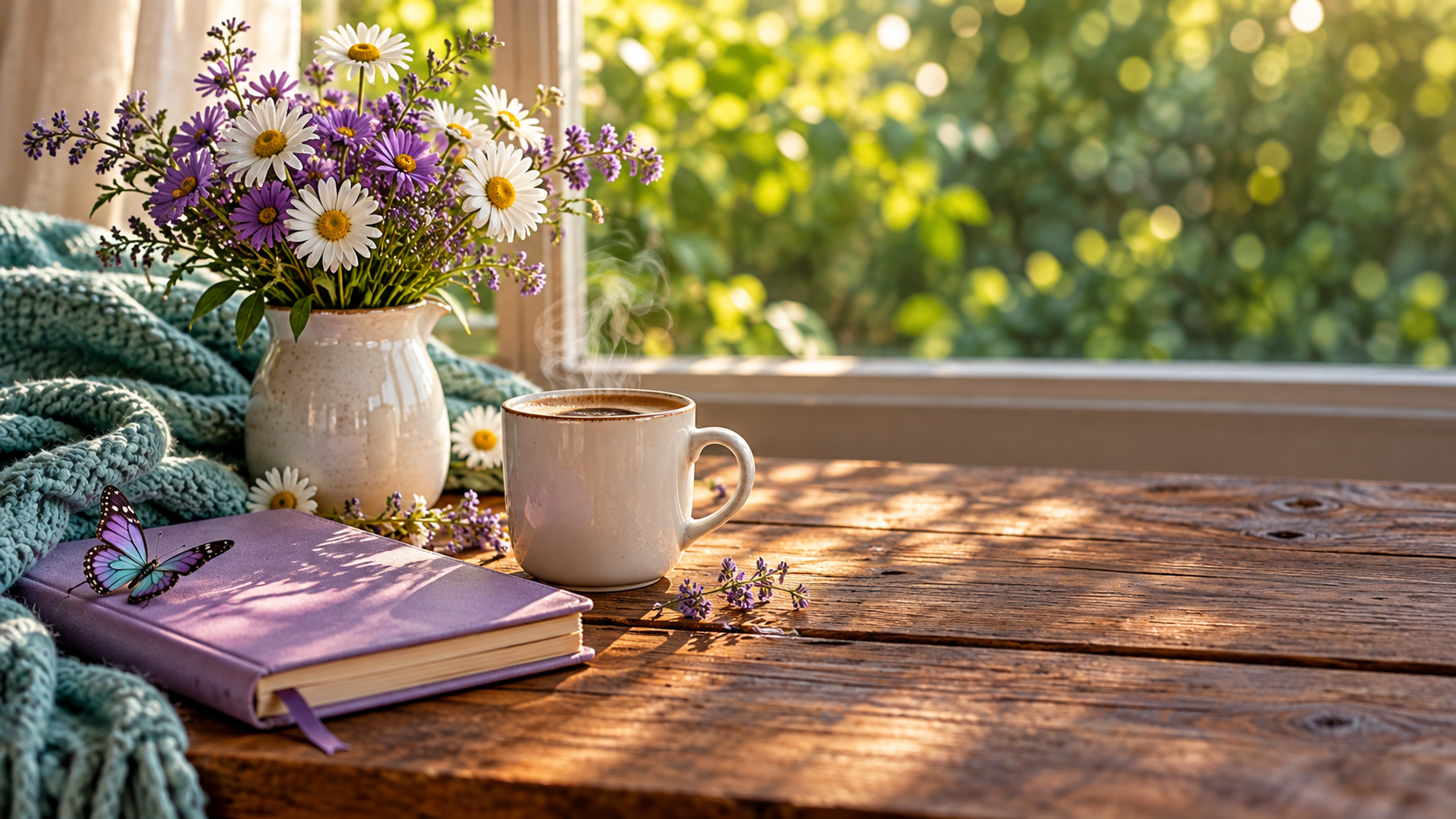
🦋 Welcome to Jen’s world
Small Moments…
Big Joys
Travel · Food · Home · Health · Heart
A lifestyle blog by a disabled woman with a unique perspective — finding beauty in lavender mornings, mountain views, butterflies, and the quiet joy of a warm mug by the window.
Explore by Theme
🦋 Travel
🦋 Recipes
🦋 Home & Garden

🦋 Fashion & Style

🦋 Healthy Living
🦋
Stay Connected
Get the latest posts, recipes, travel tips and more delivered to your inbox!
Latest from the Blog
-
 accolade, America, apple, appreciation, autumn, baking, Celebration of Life, cooking, desserts, Diets, Discovery, encourage, explore, fall, friendship, fruit, inspiration, men, October, smile, spices, Spring, warm, winter
NATIONAL APPLE BETTY DAY
On October 5, fall ushers in National Apple Betty Day with a sweet aroma of apples baked in…
-
 accolade, Adopt, adults, agenda, Amazon, Amazon Prime, appreciation, autumn, baby, back yard, backyard barbecue, blog, books, brothers and sisters, brunch, Celebration of Life, characters, children, classics, Collectables, community, cooking, cozy, Discovery, encourage, explore, exploring history, fall, family, family traditions, forget-me-not flower, freedom, fresh flowers, friends, friendship, garden, gardening, yard decor, exterior design, gifts, giving, goals, handpainted, heritage, Heroes, history, Holiday, Homemade, inspiration, laugh, learn, lifestyle, manners, memories, men, mom, monthly observations, nurture, outdoors, paint, patriotic, Peace, plant trees, population, Positivity, read, Recipes, relax, remember, Road Trip, save, security, seniors, September, smile, social media, songs, sports, Spring, star gazing, States, story, summer, technology, telescope, Thanksgiving, travel, Trivia, United Kingdom, United Nations, United States of America, Unplugging, vacation, Valor, Vintage, Vinyl Record, volunteers, wedding, winter, women, write
NATIONAL GRANDPARENTS DAY
On the Sunday following Labor Day, National Grandparents Day, honors the love only grandparents can provide. Grandparents and…
-
 accolade, adults, African heritage, agenda, album, Amazon, Amazon Prime, Amazon Prime Video, America, animals, appreciation, art, arts, asia, autumn, awareness, baby, beautiful, birthday, blog, books, brothers and sisters, camera, cartoon, causes, Celebration of Life, characters, charity, children, chinese, classics, climate, Collectables, college, comfort, computers, cozy, create, cuddle, culture, Discovery, Dr Suess, ebook, eco-friendly, elephant, encourage, entertaining, explore, exploring history, fall, family, famous, fiction, freedom, friends, friendship, fun, german American, gifts, giving, goals, Google, gratitude, Greek, Hispanic American, history, India, inspiration, inspire, international, irish, Italian-American, jamaican, Japanese, Jewish American, Kindergarten, kindle, laugh, learn, Librarians, libraries, library, lifestyle, little golden books, memories, men, mentor, mother nature, movies, Museum, native American, nature, organization, outdoors, Peaceful, Philippines, Pintrest, Polish American, population, professional, read, remember, responsibility, rivers, Road Trip, safety, school, Scottish-American, search, season, share, smile, social media, Spring, story, streaming, Streaming devices, Streaming Services, summer, teach, travel, Trivia, United Nations, United States of America, Unplugging, vacation, volunteers, water conservation, wildlife, winter, women, World, World Wildlife Federation, young adults, zoo
NATIONAL ELEPHANT APPRECIATION DAY
If you didn’t remember September 22 is National Elephant Appreciation Day, it’s fine. We’re sure the elephant probably…
-

WORLD ELEPHANT DAY
Join in the worldwide observance on August 12 as we celebrate of one of Earth’s most magnificent creatures…
-
 accolade, Adopt, adults, agenda, Alexa, Amazon, Amazon Prime, America, American, amusement, appreciation, autumn, bee, blog, books, Brands, brothers and sisters, Celebration of Life, characters, children, chinese, cleaning, climate friendly, comfort, community, culture, Discovery, encourage, environment, exercise, explore, fall, family, flower, food, freedom, fresh flowers, friends, friendship, fruit, fun, garden, gardening, yard decor, exterior design, Geek, german American, goals, Google, gratitude, Greek, herbs and spices, Hispanic American, history, hobby, inspiration, inspire, irish, Italian-American, jamaican, Japanese, Jewish American, june, kitchen, Korean American, laugh, learn, leisure, lifestyle, memories, men, native American, nature, nurture, organization, outdoors, Philippines, Pintrest, Polish American, Pollinators, population, Positivity, productivity, Retailers, Scottish-American, season, small animals, smile, snack, social media, Spring, States, story, summer, sun protection, sustainable, teach, traditional, travel, Trivia, United States of America, Unplugging, vegetables, winter, women, Work Wear
NATIONAL WEED YOUR GARDEN DAY
National Weed Your Garden Day on June 13th each year serves as a reminder to all gardeners to take…