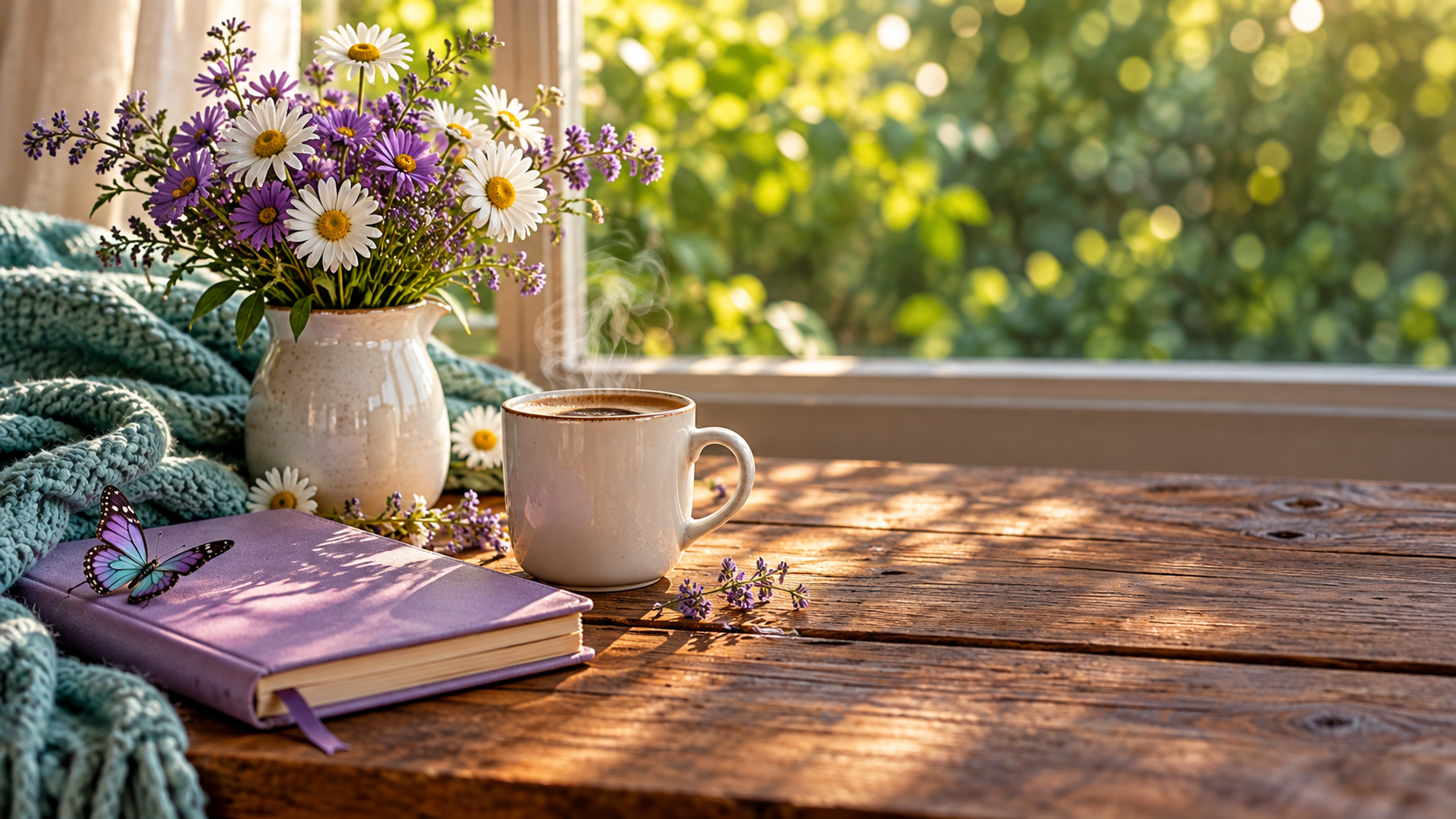
🦋 Welcome to Jen’s world
Small Moments…
Big Joys
Travel · Food · Home · Health · Heart
A lifestyle blog by a disabled woman with a unique perspective — finding beauty in lavender mornings, mountain views, butterflies, and the quiet joy of a warm mug by the window.
Explore by Theme

🦋 Travel
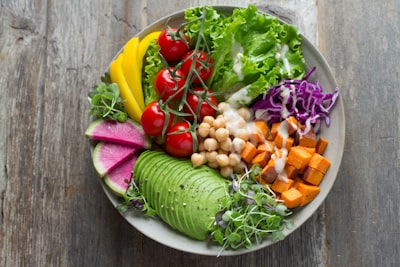
🦋 Recipes
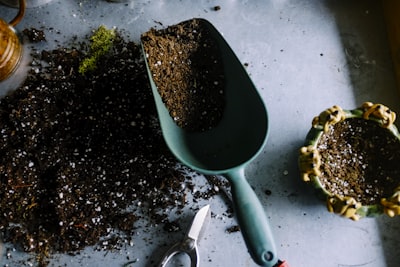
🦋 Home & Garden

🦋 Fashion & Style

🦋 Healthy Living
🦋
Stay Connected
Get the latest posts, recipes, travel tips and more delivered to your inbox!
Latest from the Blog
-
 accolade, Adopt, adults, affirmations, agenda, Amazon, Amazon Prime, appreciation, authors, autumn, awareness, beauty, bibliophile, Bingable, birthday, blog, books, brothers and sisters, butterfly, candle, Celebration of Life, characters, chinese, college, comfort, community, computers, convention, Diets, Discovery, donations, ebook, educate, empower, encourage, everyday, exercise, explore, exploring history, fall, family, freedom, friends, friendship, Geek, german American, gifts, giving, goals, Google, gratitude, Greek, habits, health, health and beauty, Hispanic American, history, hobby, Holiday, Honor, independence, inspiration, inspire, instagram, iPhone, ipod, irish, Italian-American, jamaican, Japanese, Jewish American, Korean American, learn, lifestyle, meditation, memories, men, mental health, mentor, native American, nurture, organization, paint, painting, party, pay bills, peace of mind, Philippines, Pintrest, podcasts, population, Positivity, read, relax, reminders, ritual, romance, Scottish-American, self care, share, smile, social media, Spring, story, summer, teach, travel, Trivia, United States of America, universe, Unplugging, winter, women, World, young adults
SELF-IMPROVEMENT MONTH
We all learn something every day whether we realize it or not. Self-Improvement Month in September encourages us…
-
 accolade, Adopt, Amazon Prime, America, appreciation, autumn, back yard, beer, beverage, blog, books, brunch, Celebration of Life, cocktail, cozy, cuddle, Discovery, dog, encourage, explore, fall, friendship, inspiration, internet, iPhone, ipod, kindle, lifestyle, memories, men, mother nature, pizza, self care, smile, Spring, warm, winter
NATIONAL LAZY DAY
On August 10th, National Lazy Day gives us permission to relax and kickback. So, we’re going to be…
-

Jump Into January
As the gateway to the new year, January is a month of new beginnings, reflection, and resilience. Named…
-
 accolade, Adopt, adults, Amazon, Amazon Prime, America, appreciation, Apps, autumn, bath, beach, blog, books, Brands, brothers and sisters, bunny, butterfly, cats, Celebration of Life, characters, chat, cheer, children, classics, Clean, Collectables, college, comfort, community, cool, cozy, Discovery, dog, ebook, ecards, empower, encourage, explore, fall, family, fragrance, freedom, friends, friendship, garden, german American, gifts, goals, Google, gratitude, health, Heroes, Hispanic American, history, hobby, home, hugs, immune system, inspiration, inspire, instagram, internet, irish, Italian-American, itunes, jamaican, Japanese, jazz, Jewish American, Korean American, laugh, learn, lifestyle, memories, men, mental health, Military, mom, movies, music, native American, nurture, organization, peace of mind, Philippines, Pintrest, population, Positivity, productivity, relax, remember, reminders, Retailers, Scottish-American, serve, share, smart watch, smile, social media, Spring, story, strategy, summer, travel, United States of America, warm, winter, women, Work from home, write
National Erase Self-Negativity Day
April 10 means today is National Erase Self-Negativity Day on the National Day Calendar. We are spending the…