
🦋 Welcome to Jen’s world
Small Moments…
Big Joys
Travel · Food · Home · Health · Heart
A lifestyle blog by a disabled woman with a unique perspective — finding beauty in lavender mornings, mountain views, butterflies, and the quiet joy of a warm mug by the window.
Explore by Theme

🦋 Travel
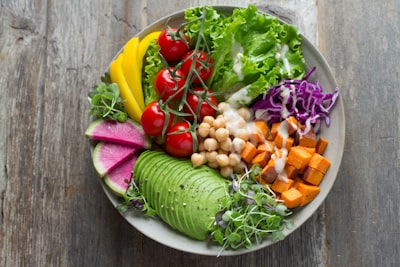
🦋 Recipes
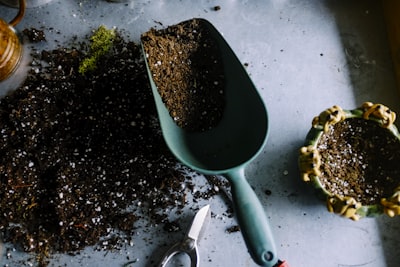
🦋 Home & Garden

🦋 Fashion & Style

🦋 Healthy Living
🦋
Stay Connected
Get the latest posts, recipes, travel tips and more delivered to your inbox!
Latest from the Blog
-
 accolade, Adopt, adoption, adults, agenda, Alexa, Amazon, Amazon Prime, Amazon Prime Video, America, Amphibians, animals, appreciation, Athletic, autumn, awareness, back yard, beach, beauty, bee, bird, birds, blog, books, Brands, brothers and sisters, bunnies, bunny, butterflies, butterfly, cats, causes, Celebration of Life, celebrity, characters, charity, chicks, children, chinese, classics, coastal, comfort, community, cool, coupon, cuddle, Discovery, dog, educate, emergency preparedness, encourage, entertaining, environment, everyday, exercise, explore, exploring history, fall, family, family pet, fish, food, foster care, freedom, friends, friendship, frog, fun, german American, gifts, giving, goals, Google, Greek, habits, health, Hispanic American, history, hobby, Holiday, home, Homemade, honey bee, horses, household, inspiration, inspire, instagram, irish, Italian-American, Japanese, Jewish American, Korean American, laugh, learn, library, lifestyle, love, medical, monthly observations, mother nature, movies, native American, nature, near me, nurture, October, organization, outdoors, pets, Philippines, Pintrest, Pollinators, population, protect and serve, radio, read, remedy, remember, reminders, Reptiles, responsibility, responsible, Retailers, rodeo, safety, school, Scottish-American, season, security, seniors, share, small animals, smile, social media, story, strategy, summer, tailgate, teach, technology, travel, Trivia, United States of America, Unplugging, volunteers, winter, women, young adults
NATIONAL ANIMAL SAFETY AND PROTECTION MONTH
National Animal Safety and Protection Month in October reminds us of the responsibility that come with domesticated animals…
-

INTERNATIONAL RED PANDA DAY
During the third Saturday in September, International Red Panda Day dedicates a day to learning about about red…
-
 Amazon, Amazon Prime, America, Amphibians, amusement, an app for that, animals, appreciation, autumn, awareness, beautiful, beauty, birds, blog, books, brothers and sisters, causes, Celebration of Life, characters, charity, children, chinese, classics, Clean, climate change, climate friendly, coastal, Collectables, comfort, community, culture, Discovery, donations, earth day, ebook, educate, empower, encourage, environment-friendly, explore, exploring history, fall, freedom, friends, friendship, Geek, german American, gifts, giving, goals, Google, gratitude, Greek, Hispanic American, history, inspiration, inspire, instagram, irish, Italian-American, jamaican, Japanese, Jewish American, Korean American, learn, library, lifestyle, love, men, mother nature, native American, nature, nurture, organization, outdoors, Philippines, photography, Pintrest, Polish American, pollution, population, Positivity, remember, reminders, responsibility, responsible, Scottish-American, share, shopping, small animals, smile, social media, Spring, States, story, summer, sustainable, teach, technology, travel, Trivia, United Kingdom, United Nations, United States of America, universe, volunteers, water conservation, wildlife, winter, women, World Wildlife Federation, young adults, zoo
NATIONAL WILDLIFE DAY
National Wildlife Day on September 4th encourages improved awareness of the species around us and in the broader…
-
 accolade, adults, African heritage, agenda, album, Amazon, Amazon Prime, Amazon Prime Video, America, animals, appreciation, art, arts, asia, autumn, awareness, baby, beautiful, birthday, blog, books, brothers and sisters, camera, cartoon, causes, Celebration of Life, characters, charity, children, chinese, classics, climate, Collectables, college, comfort, computers, cozy, create, cuddle, culture, Discovery, Dr Suess, ebook, eco-friendly, elephant, encourage, entertaining, explore, exploring history, fall, family, famous, fiction, freedom, friends, friendship, fun, german American, gifts, giving, goals, Google, gratitude, Greek, Hispanic American, history, India, inspiration, inspire, international, irish, Italian-American, jamaican, Japanese, Jewish American, Kindergarten, kindle, laugh, learn, Librarians, libraries, library, lifestyle, little golden books, memories, men, mentor, mother nature, movies, Museum, native American, nature, organization, outdoors, Peaceful, Philippines, Pintrest, Polish American, population, professional, read, remember, responsibility, rivers, Road Trip, safety, school, Scottish-American, search, season, share, smile, social media, Spring, story, streaming, Streaming devices, Streaming Services, summer, teach, travel, Trivia, United Nations, United States of America, Unplugging, vacation, volunteers, water conservation, wildlife, winter, women, World, World Wildlife Federation, young adults, zoo
NATIONAL ELEPHANT APPRECIATION DAY
If you didn’t remember September 22 is National Elephant Appreciation Day, it’s fine. We’re sure the elephant probably…
-

WORLD ELEPHANT DAY
Join in the worldwide observance on August 12 as we celebrate of one of Earth’s most magnificent creatures…